

 Residential
 Commercial
 Interior
 Exteriors
 Service Areas
 Contact Us

When it comes to protecting your Pennsylvania home from moisture damage and maintaining proper ventilation, under eave soffit vents are essential components of your roofing system. These vents work quietly behind the scenes to keep your attic healthy, your energy bills lower, and your roof lasting longer.
In this comprehensive guide, we’ll cover everything you need to know about soffit vents—from how they work to calculating the right number for your home.
What Exactly Are Under Eave Soffit Vents?
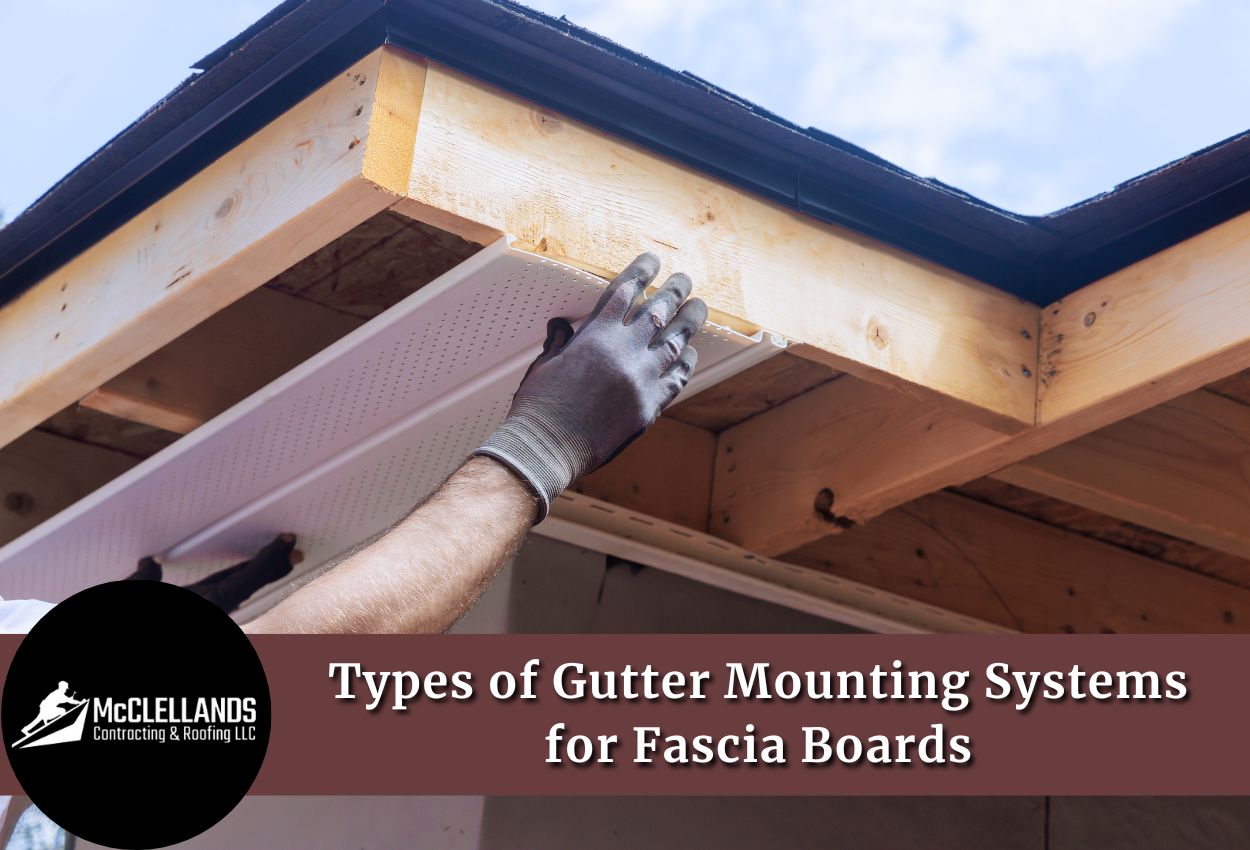
Under eave soffit vents are specialized openings installed beneath your roof’s eaves that allow fresh air to flow into your attic space. Think of them as your attic’s intake system—they’re strategically placed on the underside of your roof’s overhang to pull in cool, fresh air from outside.
These vents are a critical part of your home’s defense against moisture buildup, excessive heat accumulation, premature roof deterioration, and mold and mildew growth.
How Do Soffit Vents Actually Work?
Under eave soffit vents function as part of a complete ventilation system that creates continuous airflow throughout your attic. Here’s the process:
- Cool air enters through soffit vents at the lowest points of your roof
- Air rises naturally as it warms in your attic space
- Hot air exits through exhaust vents near your roof’s peak
- The cycle repeats, creating constant air circulation
This natural convection process doesn’t require any power—it works entirely through passive airflow, making it an energy-efficient solution for attic ventilation.
Why Are Soffit Vents Important for Your Pennsylvania Home?
Energy Cost Reduction
Proper soffit vent installation makes your home significantly more energy-efficient. By maintaining consistent airflow, these vents prevent heat buildup in summer and reduce moisture in winter. This means your HVAC system doesn’t have to work as hard to maintain comfortable temperatures, leading to reduced energy bills year-round.
In Pennsylvania’s variable climate, this benefit is particularly valuable during both humid summers and cold winters.
Extended Roof Life
Without adequate ventilation from soffit vents, your roof might need replacement much sooner than necessary. Good airflow prevents shingle damage from excessive attic heat, ice dam formation in winter, moisture-related rot in roof decking, and premature deterioration of roofing materials.
Mold and Moisture Prevention
Soffit vents help prevent mold by allowing fresh air to circulate through your attic. This air movement removes moisture from daily activities like showering and cooking, which otherwise might collect in your attic and create perfect conditions for mold growth—a serious concern in Pennsylvania’s humid climate.
Improved Indoor Comfort
By regulating attic temperature, soffit vents help maintain more consistent temperatures throughout your home, making living spaces more comfortable regardless of the season.
What Types of Under Eave Soffit Vents Are Available?
| Vent Type | Description | Best For | Airflow Rating |
|---|---|---|---|
| Individual Vents | Discrete rectangular units spaced between joists | Standard installations, existing soffits | Moderate |
| Continuous Vents | Run entire length of eaves | Maximum ventilation needs, new construction | High |
| Perforated Vents | Mesh-like design with tiny holes | Pest prevention, balanced airflow | Moderate-High |
| Circular Vents | Round openings | Historic homes, tight spaces, accent areas | Low-Moderate |
Individual Vents
These are the most common type of under eave soffit vent. They fit between the joists under your eaves and are spaced apart from each other, making them ideal for retrofit installations.
Continuous Vents
Continuous vents run along the entire length of your eaves, providing maximum airflow for your attic space. While more expensive initially, they offer superior ventilation performance.
Perforated Vents
Perforated soffit vents feature a mesh-like design with tiny holes that allow excellent airflow while keeping pests out. These work particularly well in areas with high insect activity.
Circular Vents
While less common, circular vents can be useful in specific situations. They work best in historic homes where preserving original architecture is important, tight spaces where larger vents won’t fit, and as accent features to match existing architectural elements.
How Many Soffit Vents Does Your Home Need?
Calculating the right number of soffit vents is crucial for effective attic ventilation. Here’s the standard calculation method:
The 1:150 Ventilation Rule
Most building codes and professionals recommend one square foot of vent space for every 150 square feet of attic area. Here’s how to calculate:
Step 1: Measure your attic
- Length × Width = Total attic square footage
- Example: 60 feet × 30 feet = 1,800 square feet
Step 2: Calculate total ventilation needed
- Attic square footage ÷ 150 = Total ventilation needed
- Example: 1,800 ÷ 150 = 12 square feet
Step 3: Determine soffit vent requirement
- Total ventilation ÷ 2 = Soffit vent space needed (half intake, half exhaust)
- Example: 12 ÷ 2 = 6 square feet of soffit vents
Step 4: Calculate number of vents
- Most standard rectangular soffit vents measure 8″ × 16″ (128 square inches or 0.89 square feet)
- Required soffit space ÷ Individual vent size = Number of vents needed
- Example: 6 ÷ 0.89 = approximately 7 vents
Important Considerations for Pennsylvania Homes
Always check local building codes, as requirements can vary. Some municipalities may require the 1:300 ratio if you have a vapor barrier in your attic. When in doubt, it’s better to have slightly more ventilation than less—you cannot over-ventilate an attic.
What Should You Consider When Installing Soffit Vents?
Proper Sizing and Calculation
Using the calculation method above ensures you have adequate ventilation. However, factors that may require adjustments include roof pitch (steeper roofs may need additional ventilation), local climate conditions, existing ventilation systems, and attic insulation levels.
Balance with Exhaust Vents
Soffit vents must work in tandem with exhaust vents (like ridge vents or gable vents) for proper airflow. A balanced system typically requires 50% intake ventilation from soffit vents and 50% exhaust ventilation from ridge, gable, or roof vents. Without this balance, you won’t achieve the airflow your attic needs for optimal performance.
Professional vs. DIY Installation
While DIY installation is possible for experienced homeowners, professional installation ensures vents are properly placed for maximum effectiveness, securely fastened to prevent weather damage, correctly sized and spaced, integrated with existing ventilation systems, and compliant with local building codes. Professional installation also prevents common mistakes like blocking vents with insulation or creating unbalanced ventilation systems.
How Much Does Soffit Vent Installation Cost?
Understanding the investment required for soffit vent installation helps you budget appropriately for this important home improvement.
Material Costs
| Material Type | Cost per Linear Foot | Durability | Maintenance |
|---|---|---|---|
| Vinyl | $2-5 | Good | Low |
| Aluminum | $3-6 | Excellent | Very Low |
| Wood | $4-8 | Fair | High |
| Fiber Cement | $5-10 | Excellent | Low |
Installation Costs
For a typical 250-linear-foot home:
- Materials only: $500-1,250
- Professional installation: $1,500-3,500 total
- Labor rates: $45-75 per hour
- Individual vent installation: $315-465 per vent (including labor)
Factors Affecting Cost
Several factors influence the final price. First, home size and eave length matter significantly, as larger homes require more vents. Second, roof height plays a role—two-story or steeper roofs increase labor costs. Third, existing soffit condition affects the budget, since repairs or replacement add to costs. Fourth, the vent type you choose impacts price, with continuous vents costing more than individual units. Fifth, access difficulty matters, as complex roof designs increase installation time. Finally, regional labor rates vary by location throughout Pennsylvania.
Cost-Saving Tips
To reduce soffit vent installation costs, consider bundling with other roofing projects to share mobilization fees. Choose installation during the off-season in fall or winter when contractors are less busy. Consider pre-vented vinyl soffit panels for new construction projects. Get multiple quotes from licensed contractors to ensure competitive pricing. Maintain existing vents properly to avoid premature replacement costs.
How Do You Maintain Your Soffit Vents?
Proper maintenance ensures your soffit vents continue working effectively for years.
Seasonal Inspection Schedule
During spring (April-May), remove winter debris, check for damage from ice dams, verify airflow from inside your attic, and look for signs of pest intrusion. In fall (September-October), clear leaves and debris, inspect for gaps or damage, ensure vents aren’t blocked by insulation, and prepare for winter weather conditions.
Maintenance Checklist
✓ Visual Inspection: Look for visible damage, cracks, or missing vents ✓ Airflow Test: Use a flashlight from inside the attic to check if light comes through ✓ Cleaning: Remove dust, cobwebs, and debris with a vacuum or soft brush ✓ Pest Check: Look for signs of insect nests or animal entry ✓ Blockage Removal: Ensure no insulation or stored items block vents ✓ Damage Repair: Promptly replace damaged or missing vent covers
Professional Maintenance
Consider hiring a professional for annual attic inspections, hard-to-reach vent locations, suspected blockages you can’t access, or when coordinating with other roof maintenance tasks.
What Problems Occur Without Proper Soffit Ventilation?
Understanding the consequences of inadequate ventilation highlights why soffit vents are so important.
Summer Heat Issues
Poor ventilation causes severe problems during warm months. Attic temperatures can exceed 150°F, which damages shingles from underneath. This forces air conditioners to work harder to cool your home, increasing HVAC strain and raising energy bills by 10-40%. Excessive heat accelerates shingle deterioration, shortening your roof’s lifespan, while heat radiates down into living spaces making your home uncomfortable. In Pennsylvania, while summer temperatures may not reach extreme highs, humidity creates additional challenges that proper ventilation addresses.
Winter Moisture Problems
During cold months, inadequate ventilation leads to serious issues. Warm, moist air condenses on cold attic surfaces, creating condensation problems. This persistent moisture damages the roof structure through wood rot and creates health hazards through mold growth. Warm attic air melts snow on your roof, which then refreezes at the eaves to form ice dams. Wet insulation loses its effectiveness, compromising your home’s energy efficiency. Pennsylvania’s cold, snowy winters make proper ventilation particularly crucial for preventing these costly issues.
Long-Term Structural Damage
Without adequate soffit ventilation, roof decking deteriorates prematurely while fascia boards rot from moisture exposure. Interior ceilings develop water stains as attic framing weakens over time, ultimately decreasing your home’s resale value.
How Do Soffit Vents Work With Other Ventilation Systems?
Soffit vents rarely work alone—they’re part of a comprehensive ventilation strategy.
Soffit + Ridge Vent System (Most Effective)
This combination provides continuous airflow where air enters through soffits and exits through the ridge. It requires no power as it works entirely through natural convection. The system ventilates the entire attic space uniformly with even distribution, making it the industry-recommended configuration for maximum efficiency.
Soffit + Gable Vent System
This system proves effective for homes with gable-style roofs where cross-ventilation is needed. It works well with traditional architecture and provides supplemental ventilation to your attic space.
Soffit + Powered Attic Fan
Consider adding a powered attic fan when passive ventilation proves insufficient for your needs. This combination works particularly well when your attic space is particularly large, your roof design limits natural ventilation options, or you need extra cooling power during peak summer months.
Can You Have Too Many Soffit Vents?
Short answer: No, you cannot over-ventilate your attic with soffit vents.
More ventilation is always better than insufficient ventilation. When your home is properly ventilated, the air quality improves and creates better airflow. Benefits of abundant ventilation include better moisture control, more consistent temperature regulation, improved air quality, enhanced overall system efficiency, and a greater margin for error in calculations. However, maintain the 50/50 intake/exhaust balance—simply adding more soffit vents without adequate exhaust vents won’t improve performance.
What Materials Are Best for Soffit Vents in Pennsylvania?
Aluminum Soffit Vents ⭐ Recommended
Aluminum offers exceptional durability in all weather conditions while remaining resistant to rust, rot, and insect damage. These vents have low maintenance requirements and an excellent lifespan of 30+ years. They come in a variety of colors and styles with precise vent hole engineering that maximizes airflow while keeping pests out. This makes aluminum the best choice for Pennsylvania homeowners seeking long-term, low-maintenance solutions.
Vinyl Soffit Vents
Vinyl provides a budget-friendly option that’s easy to install and resistant to moisture. These vents are available in various colors and require low maintenance over their lifespan. However, vinyl can become brittle in extreme cold and may fade over time, making it less durable than aluminum alternatives. Vinyl works best for cost-conscious homeowners in mild climate areas.
Fiber Cement Soffit Vents
Fiber cement offers extremely durable, fire-resistant vents that won’t rot or attract pests. You can paint them to match your home’s exterior, and they provide a long lifespan for your investment. The trade-offs include higher material costs, the need for professional installation due to their weight, and their heavier construction compared to other options. These vents work best for premium construction, fire-prone areas, and high-end homes.
Wood Soffit Vents
Wood vents offer traditional, attractive appearance with natural aesthetics that can be customized to match your home’s style. They’re ideal for historic homes where maintaining period authenticity matters. However, wood requires regular maintenance including periodic painting or staining. These vents are prone to rot and insect damage, resulting in higher long-term costs despite their aesthetic appeal. Wood soffit vents work best for historic preservation projects and homes with specific architectural styles that demand authentic materials.
Should You Combine Soffit Vent Installation With Other Projects?
Combining soffit vent installation with related projects can save money and improve results:
Ideal Combinations
Installing vents during roof replacement saves on labor costs while ensuring complete ventilation system integration, with one mobilization fee covering multiple services. Gutter replacement projects also provide excellent timing, as fascia removal naturally exposes soffit areas and coordinates gutter and ventilation work while reducing total project time. Siding installation projects benefit similarly, since access is already established for exterior finish work with single project planning and permitting. Finally, attic insulation projects pair perfectly with vent installation, ensuring vents aren’t blocked by new insulation while optimizing overall energy efficiency and coordinating two complementary systems.
Get Professional Soffit Vent Installation in Pennsylvania
At McClellands Contracting and Roofing, LLC, we specialize in comprehensive soffit vent installation and attic ventilation solutions throughout the Pittsburgh area and surrounding Pennsylvania regions.
Why Choose McClellands?
✓ Expert Assessment – We calculate exact ventilation requirements for your home ✓ Quality Materials – We use only trusted, durable materials suited to Pennsylvania’s climate ✓ Professional Installation – Our experienced team follows industry best practices ✓ Comprehensive Service – We coordinate with other roofing and exterior projects ✓ Local Expertise – We understand Pennsylvania building codes and climate challenges ✓ Warranty Protection – All work is backed by our quality guarantee
Our Service Areas
We proudly serve Pittsburgh and surrounding communities including Bridgeville, Sewickley, Ross Township, and all areas within 20 miles of Pittsburgh.
Schedule Your Consultation
Don’t wait until ventilation problems damage your roof or create health hazards. Contact us today for a professional assessment of your attic ventilation needs.
Call us at (412) 206-6706 to discuss your soffit vent requirements and receive a free quote.