

 Residential
 Commercial
 Interior
 Exteriors
 Service Areas
 Contact Us
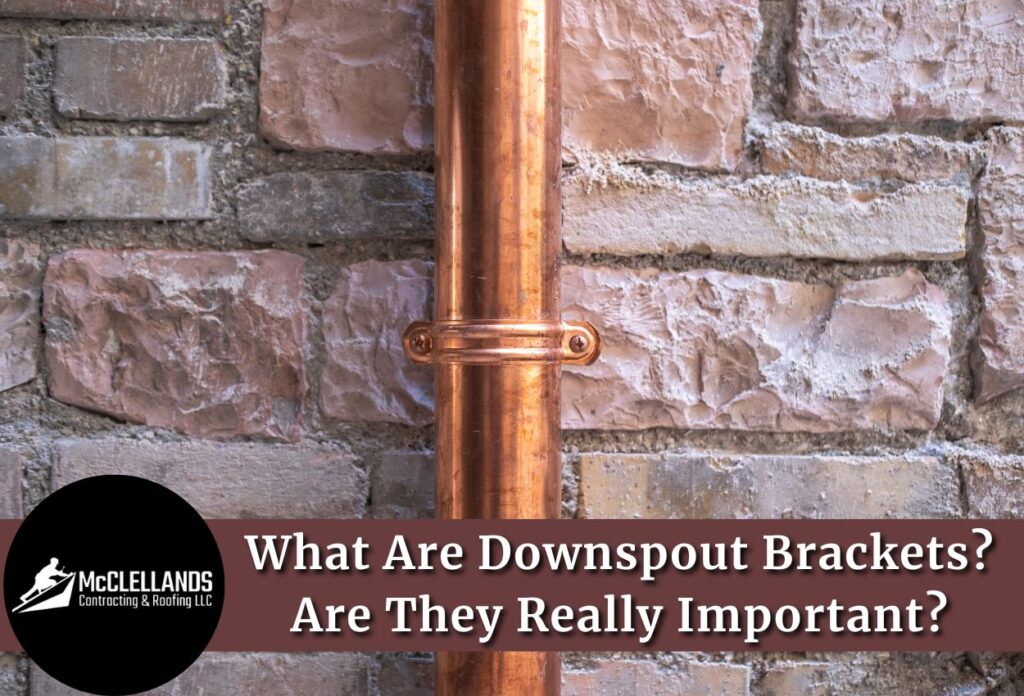
Downspout brackets—sometimes called downspout clips, downspout straps, or downspout mounting brackets—are devices that secure vertical downspouts to your home’s exterior walls. Their main purpose is keeping downspouts properly aligned with your gutters so rainwater directs safely away from your foundation.
Though they may look insignificant, these brackets maintain the integrity of your entire gutter system. These supportive parts keep your rainwater management system working smoothly year-round. Without them, your downspouts might sag, detach, or fail to channel water properly, potentially leading to serious problems for your Pennsylvania home.
Why Are Downspout Brackets Essential for Your Home?
Structural Support and Proper Water Flow
Gutter downspout brackets provide stability to your downspouts, keeping them vertically aligned along your home’s exterior. This alignment isn’t just about appearance—it’s critical for proper water flow through the system. When downspouts remain in position, water travels smoothly from your roof to the ground without leaks or overflow that can damage your siding or landscaping.
Foundation Protection
Another crucial function of brackets for downspouts is protecting your home’s foundation. These secure downspouts in place and ensure that rainwater discharges properly, typically 5 to 10 feet away from your home. This drainage prevents soil erosion around your foundation, reduces the risk of basement flooding, and protects your home’s structural integrity—particularly important in Pennsylvania’s variable climate.
System Longevity and Cost Savings
When downspouts move or shift due to inadequate support, they create wear and tear on the entire gutter system. Correctly installed downspout brackets reduce this movement, extending the lifespan of both your gutters and downspouts. This means fewer repairs and replacements over time, saving you money and hassle in the long run.
Curb Appeal and Home Value
While functionality comes first, appearance matters too. Sagging or misaligned downspouts detract from your home’s curb appeal and can signal maintenance issues to potential buyers. Well-placed rain gutter downspout brackets keep everything looking neat and orderly, complementing rather than detracting from your home’s exterior.
What Happens Without Proper Downspout Brackets?
The consequences of neglecting or improperly installing downspout brackets include detached downspouts during heavy rainfall or strong winds, water pooling near your foundation leading to basement moisture problems, damage to your home’s siding from uncontrolled water flow, increased risk of mold growth in crawl spaces and basements, and compromised integrity of your entire gutter system requiring costly repairs.
In Pennsylvania’s climate with heavy spring rains, winter snow loads, and summer storms, properly secured downspouts become even more critical for protecting your home investment.
What Are the Different Types of Downspout Brackets?
Understanding the various bracket types helps you choose the right solution for your home’s specific needs and aesthetic preferences.
Standard U-Shaped Brackets
These are probably the most common type of downspout brackets, designed to cradle standard rectangular downspouts measuring 2×3 or 3×4 inches. You’ll typically find them made of aluminum or vinyl, offering a balance of durability and affordability. U-shaped brackets wrap around the downspout and attach directly to your wall with screws or nails, making them straightforward to install for single-story homes.
Decorative Brackets and Ornamental Straps
For visible areas where appearance matters, decorative downspout mounting brackets made of steel or copper provide both function and visual appeal. These often feature intricate designs like rosettes, fleur-de-lis patterns, or scrollwork that can enhance your home’s exterior character. Decorative brackets work particularly well on historic homes or when you want your gutter system to complement your architectural style rather than just blend in.
Heavy-Duty Bands and Straps
When you need extra strength, bands or straps offer heavy-duty support. These brackets for downspouts are especially useful in areas with extreme weather conditions common to Pennsylvania—heavy snow loads, ice accumulation, or strong winds. Straps typically feature rolled edges for a finished look and attach by wrapping completely around the downspout before securing to the wall. They distribute stress more evenly than standard brackets, making them ideal for two-story installations or larger downspout systems.
Round Downspout Brackets
If you have circular downspouts—generally 3 or 4 inches in diameter—you’ll need specially designed round downspout brackets to accommodate their unique shape. Round downspout brackets have become more popular as round gutters and half-round gutter systems gain popularity for their classic appearance and superior water-carrying capacity. These brackets typically come in either visible strap style or concealed mounting options.
Hidden or Concealed Brackets
For homeowners prioritizing clean aesthetics, hidden brackets secure the downspout while remaining out of sight from typical viewing angles. These brackets mount on the back of the downspout or use internal clips, creating an uninterrupted visual line. Installation requires more precision than visible straps, but the result is a sleek, professional appearance. Hidden brackets are frequently employed in high-end architectural applications or with premium materials like copper or zinc downspouts where you want the material finish on full display.
Stand-Off and Extension Brackets
Stand-off brackets address challenges related to uneven wall surfaces and architectural features. They maintain an offset between the downspout and building face, typically one inch but available in custom lengths. These prove essential when working with natural stone veneer, heavily textured stucco, or rustic brickwork where a flush mount is impossible. Extension brackets also clear existing architectural features like deep window trim or decorative banding that protrude beyond the main siding plane.
How Far Apart Should Downspout Brackets Be Spaced?
Proper spacing ensures your downspout system withstands Pennsylvania’s weather conditions without sagging or detaching.
Standard Spacing Guidelines
For single-story homes, professionals recommend placing brackets every 3 to 6 feet along the downspout. Most experts suggest erring on the side of closer spacing—typically every 4 feet—to provide adequate stability. If you have a two-story house, you’ll want to reduce spacing to every 3 to 4 feet and add extra brackets for the additional height and stress.
Regional and Climate Considerations
In areas with heavy rain, significant snow loads, or strong winds—all common in Pennsylvania—tighter spacing of 3 feet or less provides maximum stability. Some professionals recommend placing brackets every 2 to 3 feet in high-wind areas or locations subject to heavy ice accumulation. The weight of ice-filled downspouts can stress brackets significantly, making closer spacing a wise investment.
Placement Best Practices
Position brackets about one foot from each seam or joint in the downspout to hide them aesthetically while providing support where it’s most needed. Place additional brackets near elbows or bends where stress concentrates. Always use a level during installation to ensure downspouts maintain proper vertical positioning—even slight angles can affect water flow and cause overflow problems.
What Materials Work Best for Downspout Brackets?
The material you choose for your downspout brackets affects both durability and cost, with important implications for Pennsylvania’s variable climate.
Vinyl Downspout Brackets
Vinyl offers a budget-friendly option typically costing $2 to $5 per bracket. While less durable than metal alternatives, vinyl brackets work well in mild climates and resist rust completely. They’re lightweight and easy to install, making them popular for DIY projects. However, vinyl can become brittle in extreme cold—a consideration for Pennsylvania winters—and may fade over time with UV exposure. Vinyl works best for homes with vinyl siding and standard aluminum downspouts where cost is the primary concern.
Aluminum Downspout Brackets
Aluminum downspout brackets provide a good middle-ground option, typically costing $3 to $8 per bracket. They resist rust naturally and offer decent durability for most residential applications. Many homeowners prefer aluminum downspout brackets for their lightweight nature and compatibility with standard aluminum gutters. They won’t corrode, handle temperature extremes well, and come in various colors to match your gutter system. Aluminum represents the best value for most Pennsylvania homes.
Galvanized Steel Brackets
Galvanized steel brackets for downspouts provide excellent strength, typically costing $5 to $15 each. They’re suitable for areas with severe weather conditions and heavy downspout systems. Steel brackets handle heavy snow loads and ice accumulation better than lighter materials. The galvanized coating protects against rust, though this coating can deteriorate over time if scratched or damaged. Steel works well for commercial applications or homes with particularly large gutter systems.
Copper Downspout Brackets
Copper downspout brackets offer both outstanding durability and an upscale appearance, typically costing $9 to $20 or more per bracket. Over time, copper develops a beautiful patina that many homeowners find attractive—it shifts from bright copper to bronze to eventually verdigris green. Copper never rusts, handles all weather conditions exceptionally well, and can last 50+ years. The investment makes sense for homes with copper gutters or when you want premium, maintenance-free brackets that complement historic or high-end architecture.
Material Compatibility Considerations
Always match bracket material to your downspout material when possible to prevent galvanic corrosion. This reaction occurs when dissimilar metals contact each other in the presence of an electrolyte like rainwater, causing accelerated deterioration. Aluminum brackets work with aluminum downspouts, copper with copper, and steel with steel. When mixing materials is unavoidable, use plastic or rubber washers to separate dissimilar metals.
How Should You Install Downspout Brackets Properly?
Proper installation ensures your downspout mounting brackets work effectively for years.
Alignment and Vertical Positioning
Use a level during installation to ensure your downspouts maintain proper vertical positioning. This simple step optimizes water flow and prevents issues down the line. Even a slight angle can cause water to press against one side of the downspout, potentially causing leaks at joints or seams. Check alignment before permanently securing each bracket to avoid having to redo work.
Choosing the Right Hardware
Select corrosion-resistant screws or bolts such as stainless steel or zinc-plated fasteners. This choice prevents premature failure due to rust, especially in areas with high humidity or heavy rainfall. The fastener type depends on your wall material—use masonry screws for brick or concrete, and lag screws for wood structures. Pilot holes prevent splitting on wood siding and make installation easier on all surfaces.
Securing to Structural Elements
Best practice dictates securing downspout brackets directly to solid structural elements rather than thin siding material. Find wall studs when working with wood-sided homes, or drill into mortar joints rather than bricks themselves on masonry homes. This ensures brackets can support the full weight of water-filled downspouts without pulling loose during storms.
Extensions and Proper Discharge
Position your downspout discharge points 5 to 10 feet from your foundation using extensions or splash blocks. This distance helps prevent water from seeping into your basement or damaging your foundation. Consider buried drainage pipes for permanent solutions that won’t interfere with lawn maintenance or detract from appearance.
DIY vs. Professional Installation
You’ll typically need basic tools for installation including a drill, measuring tape, level, appropriate fasteners, and possibly a masonry bit. Many homeowners find this a manageable DIY project for single-story homes with straightforward access. However, two-story installations, brick or stone homes requiring masonry work, or situations where you’re unsure about proper placement benefit from professional installation. The modest labor cost typically adds 20% to 50% to material costs but ensures proper function and prevents expensive water damage from incorrect installation.
What Does Downspout Bracket Installation Cost?
Understanding costs helps you budget appropriately for this important home maintenance project.
Material Costs by Type
| Bracket Type | Cost Per Bracket | Best For |
|---|---|---|
| Vinyl | $2-5 | Budget-conscious, mild climates |
| Aluminum | $3-8 | Standard residential, best value |
| Galvanized Steel | $5-15 | Heavy-duty, severe weather |
| Copper | $9-20+ | Premium homes, copper gutters |
| Decorative/Ornamental | $15-40+ | Visible areas, historic homes |
Complete Installation Costs
For a typical home requiring 12-16 brackets for standard downspouts, expect material costs of $50-$250 depending on bracket type chosen. If you hire professionals for installation, labor typically adds $150-$400 to the project, bringing total costs to $200-$650 for complete downspout bracket installation. Two-story homes or those with more complex rooflines requiring additional downspouts will cost more.
Cost Factors That Increase Price
Several factors influence your final investment. Home height matters significantly—two-story installations cost more due to additional time and safety equipment required. Wall material affects costs, as brick or stone installations requiring masonry work take longer than vinyl siding. Number and size of downspouts impact material quantities needed. Access difficulty on sloped lots or tight spaces increases labor time. Finally, bracket quality and style you choose determines material costs, with decorative copper brackets costing significantly more than standard vinyl options.
Money-Saving Strategies
Installing brackets yourself can save $150-$400 in labor costs if you’re comfortable with the work. Bundling with other gutter maintenance or roof repair projects often reduces per-service costs. Choosing aluminum over copper or decorative brackets when aesthetics isn’t critical saves significant money. Finally, proper maintenance and prompt bracket replacement when damaged prevents more expensive gutter system repairs later.
How Do You Maintain Downspout Brackets Effectively?
Regular maintenance keeps your brackets functioning properly and prevents costly water damage.
Annual Inspection Schedule
Perform thorough inspections at least once a year, ideally in spring after winter weather passes but before summer storms arrive. Check for loose screws that need tightening, signs of corrosion or rust particularly on steel brackets, brackets pulling away from the wall indicating improper installation or structural issues, damaged or cracked brackets that need replacement, and alignment problems where downspouts have shifted position.
Seasonal Maintenance Tasks
Clean debris from gutters and downspouts during your regular gutter cleaning to prevent weight-induced stress on brackets. After heavy storms, visually check that downspouts remain properly secured. Before winter, ensure brackets are tight and in good condition to handle ice loads. After winter, inspect for damage from ice expansion or snow weight that may have stressed the system.
When to Replace Brackets
Replace any rusted or corroded brackets promptly, as deteriorated brackets can fail unexpectedly during storms. Swap out bent or damaged brackets even if still attached—they no longer provide proper support. If you notice recurring problems with specific brackets working loose, consider upgrading to heavier-duty alternatives or improving installation with better fasteners. Replace all brackets when upgrading or replacing your gutter system to ensure complete compatibility and maximize longevity.
Can You Mix Different Types of Downspout Brackets?
While possible, mixing bracket types on the same home requires careful consideration. Using different styles on different downspouts is generally fine—for example, decorative brackets on front-facing downspouts and standard brackets on less visible sides. However, don’t mix bracket types on the same downspout, as different holding strengths create uneven stress distribution.
Consider the aesthetic implications when visible brackets differ. Matching bracket finishes to downspout colors maintains visual cohesion even when using different bracket styles on different sides of your home. For best results, maintain consistency at least on each visible elevation of your house.
What’s the Difference Between Downspout Brackets, Straps, and Clips?
These terms often get used interchangeably, but subtle differences exist. Downspout brackets is the general term encompassing all types of mounting hardware. Straps or bands specifically refer to flat metal pieces that wrap around the downspout before securing to the wall—they’re more flexible and conform to slight variations. Clips typically describe simpler mounting hardware with a C or U shape that clips onto the downspout. Pipe cleats refer to low-profile hidden brackets barely visible from typical viewing angles.
In practical terms, most professionals use these terms interchangeably in casual conversation. What matters most is choosing the right style for your application rather than worrying about precise terminology.
Get Professional Gutter and Downspout Services in Pennsylvania
At McClellands Contracting and Roofing, LLC, we’re your local roofers and gutter professionals in Pittsburgh and surrounding Pennsylvania areas. We understand that a strong gutter and downspout system protects your home’s overall performance and value.
Why Choose McClellands for Downspout Bracket Installation?
Our experienced team provides comprehensive gutter services including complete system installation, bracket replacement and upgrades, alignment correction and repair, material matching and color coordination, and integration with your existing roofing system. We ensure proper installation so your gutters and downspouts perform reliably for years.
Our Service Areas
We proudly serve Pittsburgh and surrounding Pennsylvania communities including Bridgeville, Sewickley, Ross Township, and all areas within 20 miles of Pittsburgh.
Schedule Your Consultation
Don’t wait until water damage occurs to address bracket problems. Whether you need new bracket installation, existing bracket replacement, or complete gutter system evaluation, our team provides expert guidance and quality workmanship.