

 Residential
 Commercial
 Interior
 Exteriors
 Service Areas
 Contact Us


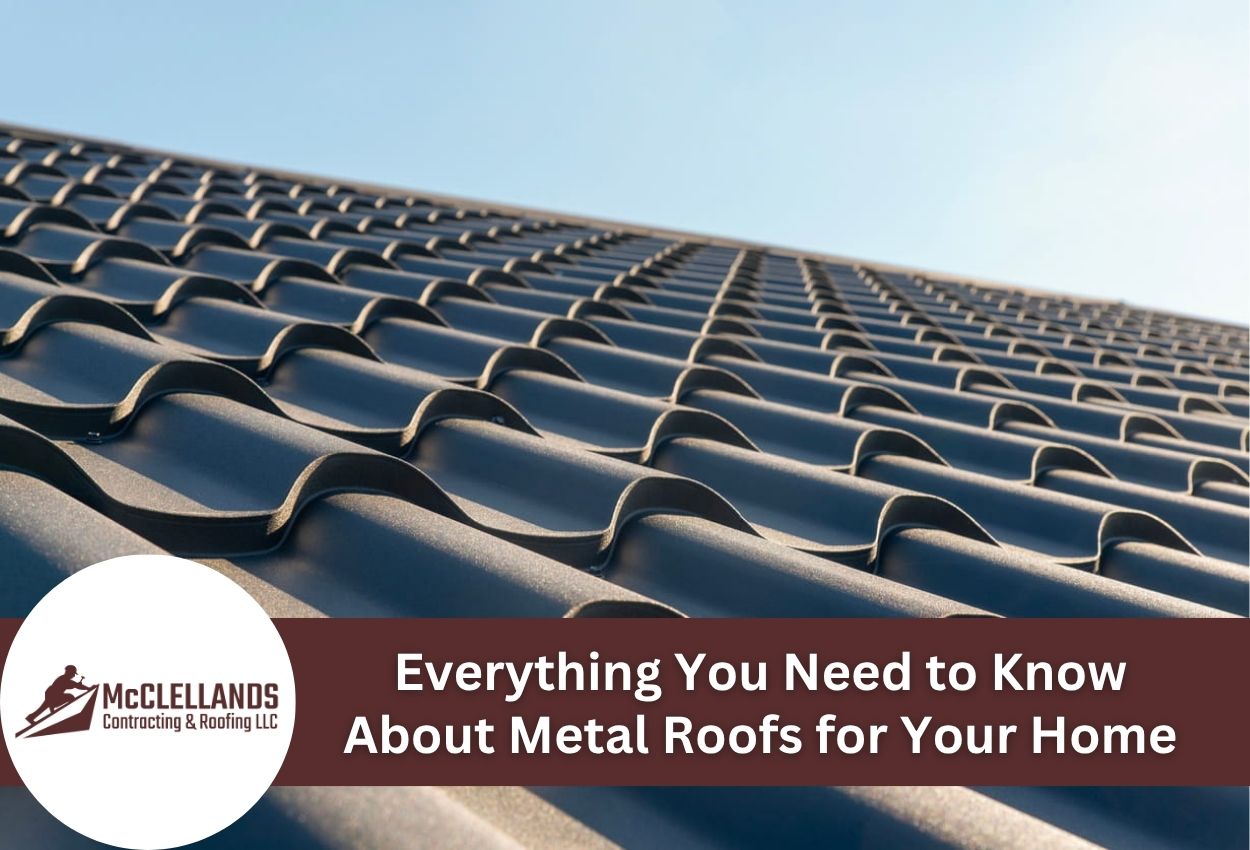
Corrugated metal roofs are affordable, durable roofing systems featuring wavy panels with alternating ridges and valleys that cost $3-$12 per square foot installed (typically $6,000-$24,000 for a 2,000 square foot roof), last 40-70 years depending on material and coating quality, and resist wind speeds up to 120-140 mph, heavy snow loads, and hail impacts better than asphalt shingles. The distinctive corrugated profile adds structural strength allowing thinner, less expensive metal sheets with excellent performance—making corrugated panels the most budget-friendly metal roofing option available. Common materials include galvanized steel ($3-$7/sq ft), Galvalume steel ($4-$8/sq ft), and aluminum ($6-$12/sq ft), each offering different corrosion resistance, longevity, and cost trade-offs.
The wavy design serves both functional and aesthetic purposes. The ridges and valleys create structural rigidity preventing oil-canning (visible waviness in flat metal), increase load-bearing capacity for snow and equipment, provide natural drainage channels directing water off roof, and add visual texture complementing industrial, farmhouse, modern, and rustic architectural styles. However, corrugated roofs use exposed fasteners (screws with rubber washers visible on roof surface) rather than concealed fasteners found in standing seam systems, creating potential leak points requiring periodic maintenance as rubber washers deteriorate over time.
Corrugated metal roofs work best for:
- Budget-conscious projects where affordability is priority
- Agricultural buildings, barns, sheds, and outbuildings
- Homes with industrial, farmhouse, or rustic design aesthetics
- DIY installations (simpler than standing seam systems)
- Snow-prone areas needing smooth shedding surfaces
Consider alternatives when:
- Minimalist, contemporary aesthetics are desired (standing seam cleaner)
- Minimal maintenance is priority (concealed fasteners better)
- Premium appearance justifies higher budget
- Local codes restrict exposed fastener systems
This comprehensive guide covers corrugated metal roof costs, materials, installation, advantages, limitations, and maintenance requirements to help you determine if this roofing system fits your needs and budget.
What Is Corrugated Metal Roofing?
Corrugated metal roofing consists of metal sheets pressed or rolled into wavy patterns featuring repeating ridges (high points) and valleys (low points) running parallel down the panel length. This profile dates back to the 1820s when British engineer Henry Palmer patented the corrugation process, revolutionizing construction by creating lightweight yet structurally strong building materials.
How Corrugation Creates Strength
The wavy pattern isn’t merely decorative—it’s engineering genius creating exceptional strength-to-weight ratio. Flat metal sheets bend and buckle under loads, exhibiting “oil-canning” (visible waviness) even without stress. Corrugation eliminates these problems by:
Creating geometric rigidity where the alternating ridges and valleys form countless I-beams running the panel length, distributing loads across entire structure rather than concentrating stress at points.
Increasing moment of inertia (engineering term for resistance to bending) by 200-400% compared to flat sheets of identical thickness, allowing use of thinner, lighter, less expensive metal achieving same strength as thicker flat panels.
Providing natural drainage with valleys channeling water efficiently toward eaves, preventing ponding that causes premature corrosion and leaks.
Eliminating oil-canning since the formed shape prevents the visible waviness that plagues flat metal panels.
This structural efficiency explains why corrugated panels dominate agricultural, industrial, and budget-conscious residential applications—they deliver exceptional performance at minimum material cost.
Corrugated vs. Other Metal Profiles
| Feature | Corrugated Panels | Standing Seam | Metal Shingles |
|---|---|---|---|
| Cost per Sq Ft | $3-$12 | $7-$18 | $8-$15 |
| Lifespan | 40-70 years | 50-75 years | 40-60 years |
| Fasteners | Exposed | Concealed | Exposed |
| Maintenance | Moderate (check washers) | Low | Moderate |
| Aesthetics | Industrial, rustic | Contemporary, sleek | Traditional shingle look |
| DIY Friendly | Yes | No (requires specialty tools) | Moderate |
| Snow Shedding | Excellent | Excellent | Good |
Corrugated panels offer best value for budget-focused projects, standing seam provides premium aesthetics with minimal maintenance, and metal shingles bridge traditional appearance with metal durability.
How Much Does Corrugated Metal Roofing Cost?
Understanding comprehensive costs including materials, installation, and long-term expenses helps budget accurately.
Material Costs by Type
Galvanized Steel ($3-$7 per square foot installed): The most economical option, featuring steel core with zinc coating (galvanization) providing corrosion protection. G90 galvanization (standard) includes 0.90 ounces of zinc per square foot, while G60 (lighter coating) costs less but rusts faster. Expect 40-50 year lifespan in most climates, with coastal environments accelerating corrosion. Available in limited color options (often bare galvanized finish or white), galvanized steel works well for barns, sheds, and budget residential projects where appearance is secondary to function.
Galvalume Steel ($4-$8 per square foot installed): Premium steel coating using 55% aluminum, 43.4% zinc, and 1.6% silicon offering superior corrosion resistance—typically 2-4× longer life than galvanized in identical conditions. The aluminum component provides better heat reflectivity (energy efficiency) and doesn’t develop white rust that plagues galvanized steel in certain environments. Expect 50-70 year lifespan with proper maintenance. Available in wider color range through factory-applied paint systems. Costs 15-30% more than galvanized but delivers substantially better longevity making it preferred choice for residential applications.
Aluminum ($6-$12 per square foot installed): Lightweight metal (one-third the weight of steel) that never rusts—technically it oxidizes but forms protective layer preventing deterioration. Ideal for coastal applications within 3 miles of saltwater where steel corrodes rapidly. The lighter weight simplifies installation and reduces structural demands, but softness makes aluminum prone to denting from hail or fallen branches. Popular in marine environments, humid climates, and situations where weight matters (older structures, retrofit installations). Available in many colors through factory painting.
Project Cost Examples
Typical residential costs for 2,000 square foot roof:
- Galvanized steel: $6,000-$14,000 total
- Galvalume steel: $8,000-$16,000 total
- Aluminum: $12,000-$24,000 total
Cost includes:
- Materials (panels, fasteners, trim, ridge caps)
- Labor (tear-off if needed, deck prep, installation)
- Underlayment (synthetic preferred)
- Flashing and ventilation components
- Disposal and cleanup
Additional Expenses
Roof deck repairs: $500-$2,000 for damaged sheathing replacement Upgraded underlayment: $300-$800 for high-performance synthetic vs. felt Insulation: $1,500-$4,000 for foam board or spray foam under metal Specialty fasteners: $200-$500 for stainless steel in coastal areas Professional installation: DIY saves $2-$5 per square foot but requires proper tools and expertise
Long-Term Value Analysis
While initial costs exceed asphalt shingles ($5,000-$10,000 for same roof), corrugated metal’s longevity creates better value:
25-year comparison:
- Asphalt shingles: $10,000 initial + $12,000 replacement (year 22-25) = $22,000
- Corrugated metal: $12,000 initial + minimal maintenance = $12,500
- Savings: $9,500 over 25 years
Factor in energy savings from reflective coatings (10-25% cooling cost reduction), potential insurance discounts (5-15% for impact-resistant metal), and avoided disruption from re-roofing, and corrugated metal’s value proposition strengthens considerably.
What Are the Advantages of Corrugated Metal Roofing?
Exceptional Longevity
Corrugated metal roofs last 40-70 years depending on material, coating quality, climate, and maintenance—2-3× longer than asphalt shingles (15-30 years). Galvanized steel provides 40-50 years in most climates, Galvalume extends to 50-60 years, aluminum in coastal areas achieves 60-70 years, and quality factory finishes with regular maintenance reach upper lifespan ranges.
This extended life means most homeowners install corrugated metal once and never re-roof again, avoiding the cost, disruption, and stress of replacement projects that asphalt shingle owners face every 20-25 years.
Superior Weather Resistance
Wind performance: Corrugated panels resist 120-140 mph winds when properly installed with adequate fastener spacing and structural support. The mechanical interlock where panels overlap combined with numerous attachment points creates wind-resistant system that outperforms most shingle roofs rated 90-110 mph.
Snow load capacity: The corrugated profile’s structural strength handles heavy snow accumulation without sagging or failure. The smooth metal surface also allows snow to slide off naturally, reducing structural loads and ice dam formation that plague textured shingles where snow adheres.
Hail resistance: Metal’s impact resistance prevents the cracking and granule loss that destroys asphalt shingles during hailstorms. However, denting remains possible—aluminum dents more easily than steel, and thicker gauge metal (26 gauge vs. 29 gauge) resists denting better. Some premium systems achieve Class 4 impact rating (highest available).
Fire resistance: Metal roofing is non-combustible, earning Class A fire rating (highest) protecting homes in wildfire-prone regions where ember exposure threatens structures.
Low Maintenance Requirements
Unlike asphalt shingles requiring periodic replacement of damaged units, moss/algae cleaning, and constant vigilance for leaks, corrugated metal roofs need minimal attention:
Annual tasks: Visual inspection checking for loose fasteners, damaged panels, or debris accumulation in valleys. Most homeowners complete this in 30 minutes from ground level with binoculars.
5-10 year tasks: Inspect fastener washers for deterioration, re-tightening or replacing as needed. Clean panels if organic growth appears (rare except in heavily shaded, humid conditions).
As-needed: Touch up scratches or paint damage with matching repair paint, replace damaged panels (individual panels swap easily), and address any leaks from nail holes or fastener failures promptly.
The minimal maintenance saves time and money while providing peace of mind that your roof simply works without constant attention.
Energy Efficiency
Metal roofing naturally reflects solar radiation better than dark asphalt shingles that absorb heat. Factory-applied reflective coatings further enhance this benefit:
Standard finishes: Reduce cooling costs 10-15% by reflecting 25-35% of solar heat Cool roof coatings: Reduce cooling costs 20-25% by reflecting 50-70% of solar heat Light colors: Maximize reflectivity—white, light gray, tan reflect most heat
In hot climates, the energy savings accumulate to $200-$400 annually, offsetting initial cost premium within 10-15 years while providing comfort benefits throughout roof life.
Lightweight and Easy Installation
Corrugated panels weigh 50-75% less than tile roofing and 40-60% less than architectural shingles, reducing structural demands and simplifying installation. The lightweight nature benefits older homes where roof framing might not support heavier materials, retrofit installations over existing roofing, and DIY projects where handling heavy materials is challenging.
Installation simplicity (compared to other metal systems) makes corrugated panels popular for DIY projects. While professional installation is recommended for primary residences, experienced DIYers successfully install corrugated roofs on sheds, barns, and outbuildings using basic tools.
Environmental Benefits
Metal roofing delivers environmental advantages including 25-95% recycled content in manufacturing, 100% recyclability at end of life (metal roofs don’t end up in landfills), reduced cooling energy consumption from reflectivity, and ability to integrate solar panels without roof penetrations using specialized clamp systems.
What Are the Disadvantages of Corrugated Metal Roofing?
Exposed Fastener Vulnerability
Unlike standing seam systems with concealed fasteners protected from weather, corrugated roofs use exposed screws with rubber/EPDM washers visible on roof surface. These fasteners penetrate panels, creating potential leak points as washers deteriorate from UV exposure, temperature cycling, and aging.
Typical washer lifespan: 15-25 years depending on quality, climate, and sun exposure. Premium EPDM washers last longer than basic rubber. Extreme heat accelerates deterioration.
Maintenance requirement: Every 15-20 years, inspect all fasteners, re-tightening loose screws and replacing deteriorated washers. For typical residential roof with 800-1,200 fasteners, this represents significant maintenance project costing $500-$1,200 professionally or requiring full day of homeowner labor.
This ongoing maintenance requirement represents corrugated roofing’s primary limitation compared to standing seam systems where concealed fasteners remain protected indefinitely.
Noise During Rain and Hail
Metal roofing transmits more sound than asphalt shingles during rain and hail events. The drumming sound during heavy rain bothers some homeowners while others find it pleasant. Hail creates loud impacts that can be startling.
Mitigation strategies:
- Install solid sheathing (plywood/OSB) rather than skip sheathing
- Use quality underlayment adding sound dampening
- Add attic insulation absorbing sound before entering living spaces
- Accept and enjoy the sound (many find it soothing)
Properly insulated homes with solid decking experience minimal noise issues. The sound is most noticeable in uninsulated structures like barns or buildings with exposed metal ceilings.
Potential for Denting
Metal’s impact resistance prevents the cracking and failure that hailstorms cause in asphalt shingles, but large hail (1 inch diameter or greater) can dent metal panels, particularly aluminum or thin-gauge steel. While dents rarely compromise waterproofing or structural integrity, they’re permanent cosmetic damage visible from ground level.
Dent resistance by material:
- 26-gauge steel: Excellent resistance, rarely dents except extreme impacts
- 29-gauge steel: Good resistance, moderate hail may create small dents
- Aluminum: Moderate resistance, more prone to denting than steel
Properties in hail-prone regions (Midwest, Plains states, Colorado) should consider thicker gauge steel (26 vs. 29 gauge) or steel over aluminum despite cost premium.
Thermal Movement
Metal expands when hot and contracts when cold—thermal movement that can stress fastening systems if not properly designed and installed. Daily temperature swings create expansion/contraction cycles stressing fasteners, panels, and trim. Improperly installed systems develop loose fasteners, oil-canning in panels, or failed trim connections.
Proper installation addresses thermal movement through:
- Correct fastener spacing and tension (snug but not over-tightened)
- Slotted holes in trim pieces allowing movement
- Expansion joints for very long panel runs
- Following manufacturer specifications precisely
Professional installation following manufacturer guidelines eliminates thermal movement problems. DIY installations require careful attention to proper technique.
Aesthetic Limitations
While many homeowners appreciate corrugated metal’s industrial or farmhouse aesthetic, it doesn’t suit all architectural styles. The wavy profile and often visible fasteners lack the refined appearance of standing seam systems or traditional shingle roofs.
Styles that work well: Farmhouse, industrial, modern rustic, barn-inspired, contemporary metal-forward designs Styles that clash: Traditional colonial, classical revival, Mediterranean, Victorian (unless historically appropriate) Solution: Consider metal shingles mimicking traditional materials or standing seam for cleaner lines
Additionally, some homeowners associations restrict or prohibit exposed fastener metal roofing, considering it too industrial for residential neighborhoods.
How to Install Corrugated Metal Roofing
While professional installation is recommended for primary residences, understanding the installation process helps you evaluate contractor proposals and manage expectations.
Pre-Installation Preparation
Measure accurately: Calculate total roof area including all sections, add 10% waste factor, and determine panel quantities accounting for panel width and required overlap. Most panels are 36 inches wide covering 34-35 inches after overlap.
Inspect and repair deck: Examine roof sheathing for damage, rot, or deterioration. Replace damaged sections ensuring smooth, solid substrate. Metal roofing requires solid deck (plywood or OSB)—skip sheathing is inadequate.
Install underlayment: Apply quality synthetic underlayment over entire roof deck, providing secondary water barrier and sound dampening. Ice and water shield at eaves, valleys, and penetrations adds protection in vulnerable areas.
Installation Steps
1. Install trim pieces: Begin with eave trim (drip edge), rake trim (gable edges), and valley trim if applicable. These components install before panels, providing finished edges and drainage control.
2. Position first panel: Start at rake edge opposite prevailing weather direction. Position panel with proper overhang (1-2 inches at eave, ¾ inch at rake). Ensure panel is square to roof using speed square or measurement.
3. Fasten panels: Install special metal roofing screws with rubber washers at every other corrugation in panel body, every corrugation at panel ends and overlaps. Screws penetrate high points (ridges) not valleys. Use screw gun with adjustable clutch preventing over-tightening that crushes washers.
4. Overlap panels: Consecutive panels overlap one corrugation (ridge) at sides and 6-12 inches at ends (follow manufacturer specs). Fasten through both layers at overlaps ensuring weather-tight seals.
5. Continue panels: Work across roof maintaining proper overlap and fastener spacing. Cut panels to length as needed using circular saw with metal-cutting blade or aviation snips for smaller cuts.
6. Install ridge cap: Special ridge caps cover peak protecting panels ends and providing ventilation if vented style used. Secure ridge caps with longer screws (penetrating through cap, panels, and into deck).
7. Install flashing: Add flashing around chimneys, vents, and other roof penetrations. Metal roofing requires specialized flashing techniques ensuring water-tight seals with proper clearances allowing thermal movement.
8. Final inspection: Check all fasteners are tight (not over-tight), all overlaps seal properly, all trim is secure, and no metal shavings remain (causes rust stains).
DIY Considerations
Experienced DIYers successfully install corrugated roofing on simple structures like sheds and barns. However, residential installations should generally remain professional due to:
- Fall hazards requiring proper safety equipment and training
- Specialized tools (metal brake for custom trim, proper screw guns)
- Warranty requirements often specifying professional installation
- Building code compliance and permit requirements
- Proper flashing and waterproofing techniques requiring experience
DIY installation saves $2-$5 per square foot but assumes all risk for errors, leaks, and safety issues.
Maintaining Your Corrugated Metal Roof
Proper maintenance maximizes lifespan and prevents small issues from becoming expensive problems.
Annual Maintenance Tasks
Visual inspection: Examine roof from ground level with binoculars checking for loose panels, missing fasteners, damaged trim, debris accumulation, vegetation growth in valleys, and rust spots or coating failures.
Clean gutters: Remove leaves and debris from gutters and downspouts ensuring proper drainage. Clogged gutters cause water backup potentially damaging roof edges.
Remove debris: Clear leaves, branches, and organic material from roof surface and valleys. Debris traps moisture accelerating corrosion.
5-10 Year Tasks
Fastener inspection: From roof surface (with proper safety equipment), inspect all fasteners for tightness and washer condition. Re-tighten loose fasteners (being careful not to over-tighten and damage washers). Replace deteriorated washers showing cracks or compression.
Touch up paint: Address any scratches, scuffs, or areas where coating has worn through using matching touch-up paint. Bare metal rusts quickly if left exposed.
Clean panels: If organic growth (moss, algae, lichen) appears, clean with gentle pressure washing or soft brush and mild detergent. Avoid abrasive cleaners damaging coating.
Addressing Common Issues
Loose or missing fasteners: Replace immediately using identical screws with new washers, ensuring proper placement in panel ridge and proper tightness.
Leaks: Most leaks originate at fasteners with deteriorated washers, overlaps that weren’t sealed properly, or flashing failures. Locate source through attic inspection during rain, then address specific problem area.
Rust spots: Clean affected area with wire brush removing all rust, treat with rust converter, then coat with matching paint. Address rust promptly before it spreads.
Dents: Minor dents are cosmetic only and don’t require repair. Severe dents compromising panel integrity may warrant panel replacement.
Conclusion
Corrugated metal roofing delivers exceptional value through affordable initial cost ($3-$12 per square foot), extended 40-70 year lifespan, superior weather resistance, and minimal maintenance requirements. The distinctive wavy profile creates both structural strength and aesthetic appeal suiting industrial, agricultural, farmhouse, and modern rustic architectural styles. While exposed fasteners require periodic maintenance (inspecting/replacing washers every 15-20 years) and the aesthetic doesn’t suit all homes, corrugated metal represents smart investment for budget-conscious projects, agricultural buildings, and homeowners appreciating its unique character.
The decision ultimately depends on priorities: those prioritizing minimum cost, maximum durability, and industrial/rustic aesthetics find corrugated metal ideal, while homeowners seeking contemporary appearance with minimal maintenance may prefer standing seam systems despite higher cost. For most applications, corrugated metal’s 2-3× longer life than asphalt shingles combined with 40-60% lower material costs creates compelling value proposition justifying consideration.
For professional corrugated metal roofing installation or consultation, call McClellands Contracting and Roofing at (412) 206-6718.