

 Residential
 Commercial
 Interior
 Exteriors
 Service Areas
 Contact Us
What Are Exposed Rafter Tails and Why They Matter in Modern Architecture
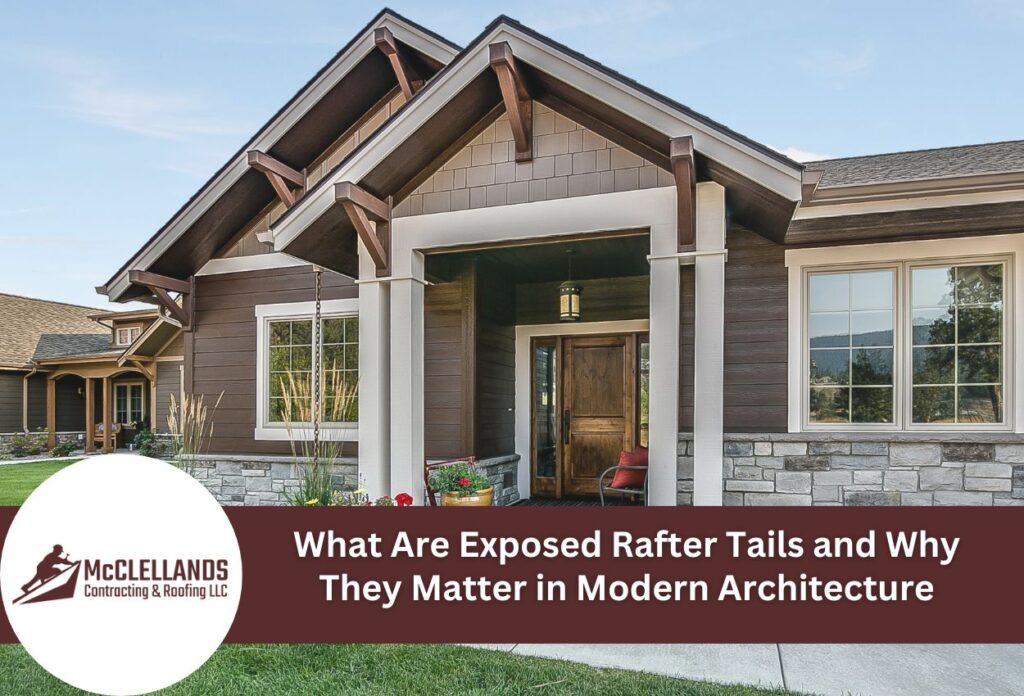

Exposed rafter tails are structural roof elements that go beyond the exterior walls of a building and remain visible from the outside. These architectural features are where the actual roof rafters go past the wall line, creating distinctive visual lines along the roof. Rather than being enclosed or hidden behind fascia boards and soffits, exposed rafter tails showcase the natural construction elements of the roof.
Open eave construction featuring exposed rafter tails serves dual purposes in residential and commercial design. From a functional standpoint, these extensions help protect exterior walls from water damage by directing rainfall away from the foundation. The overhanging rafters create natural shade during the summer while allowing beneficial winter sunlight to reach windows and outdoor spaces.
The appearance of exposed rafters adds visual depth and character to otherwise plain rooflines. This traditional roof framing technique creates strong horizontal lines that enhance curb appeal and architectural interest. The visible wood elements provide texture and natural beauty that complements various design styles, from craftsman bungalows to contemporary homes.
Rafter tail design options vary significantly based on architectural preferences and structural requirements. Different rafter tail materials, including cedar, fir, and engineered lumber, offer varying degrees of durability and visual appeal, making this construction method adaptable to diverse building projects and regional preferences.
Design Versatility and Customization Options for Rafter Tails
Exposed rafter tails offer remarkable design flexibility through various traditional and contemporary styling approaches. Traditional rafter tail profiles include straight-cut ends that provide clean, geometric lines perfect for Colonial and ranch-style homes. Decorative curved cuts create softer silhouettes that complement Mediterranean and Spanish revival architecture. Ornamental end treatments such as carved scrollwork, notched patterns, or shaped profiles add distinctive character that reflects regional building traditions.
Rafter tail design options go beyond basic cuts to include dimensional treatments that enhance visual impact. Tapered ends create elegant transitions from thick structural members to refined points, while stepped cuts produce layered shadow effects. Some designs incorporate routing or milling techniques that add texture and depth to otherwise simple wood surfaces.
Craftsman-style homes traditionally showcase robust, substantial rafter tails with visible grain patterns, while contemporary structures often feature sleek, refined treatments that maintain open eave construction.
Material selection significantly influences design possibilities for exposed rafter tails. Different rafter tail materials respond uniquely to various finishing techniques and weather exposure. Cedar naturally weathers to gray tones, while pressure-treated lumber accepts stains and paints that can coordinate with exterior color schemes, allowing customization that complements diverse architectural styles and personal preferences.
Material Selection and Durability Considerations
Choosing the appropriate materials for exposed rafter tails directly impacts both curb appeal and long-term structural performance. Cedar is a premium choice for rafter tail materials due to its natural resistance to moisture, insects, and decay. Western red cedar contains natural oils that repel water and prevent rot, making it ideal for open eave construction in areas with significant rainfall. The wood’s dimensional stability reduces warping and splitting over time, while its attractive grain patterns enhance the visual appeal of exposed rafters.
Fir offers excellent structural strength at more budget-friendly pricing compared to cedar options. This material works well for larger rafter tail design options where load-bearing capacity is important. However, fir requires proper treatment and regular maintenance to achieve durability comparable to naturally resistant species. Pressure-treated fir provides enhanced protection against moisture damage while still being cost-effective for budget-conscious projects.
Engineered lumber products present modern alternatives for traditional roof framing applications. Laminated veneer lumber and glue-laminated beams resist warping, cracking, and dimensional changes that affect solid wood. These materials accept stains and finishes that mimic the natural wood appearance while providing superior consistency in exposed rafter installations.
Weather resistance factors vary significantly based on regional climate conditions and material selection. Protective treatments, including sealers, semi-transparent stains, and marine-grade finishes, extend its service life by blocking moisture. Regular inspection and maintenance schedules help identify potential issues before they compromise the structural integrity or the visual appearance of exposed rafter tails.
Energy Efficiency and Environmental Impact of Exposed Rafter Tails
Exposed rafter tails, when thoughtfully designed, can contribute to energy efficiency by functioning as fixed shading elements. The overhangs they create help block high-angle summer sun, reducing solar heat gain through upper-level windows and lowering cooling needs. This passive shading strategy can improve indoor comfort during warmer months and contribute to reduced energy usage in well-designed homes.
In colder seasons, properly proportioned overhangs can allow low-angle winter sunlight to enter the home, contributing to passive solar heating. To achieve this, the length, angle, and placement of the rafter tails must be carefully calculated based on the home’s orientation, latitude, and window positions.
To avoid the downsides of thermal bridging, many modern designs separate decorative rafter tails from the structural rafters. These non-structural extensions preserve the traditional look while maintaining the home’s air and thermal barriers. For projects that use fully exposed structural rafter tails, additional steps such as thermal breaks, sealed air barriers, and specialized flashing techniques help prevent unwanted heat loss and leaks.
Architectural Benefits Beyond Basic Roof Function
Exposed rafter tails deliver a significant visual impact that transforms ordinary rooflines into distinctive architectural statements. These structural elements create strong horizontal lines that add depth and dimension to home exteriors, breaking up monotonous wall surfaces with natural wood textures. The shadow patterns cast by projecting rafters change throughout the day, providing dynamic visual interest that enhances curb appeal and property values.
Different rafter tail design options allow homeowners to customize their exterior appearance through various end cuts, profiles, and decorative treatments. Whether showcasing rustic charm through rough-hewn timber or sophisticated elegance with precision-milled profiles, these elements communicate design intent and personal style preferences.
The extended roof structure enhances natural attic ventilation by creating air channels that promote thermal stack effect cooling. This improved airflow reduces summer cooling costs while preventing moisture buildup that leads to mold and structural damage.
Maintenance accessibility is another significant advantage of traditional roof framing with exposed elements. Visible rafter tails allow property owners to easily inspect structural conditions and identify potential issues before they require expensive repairs. Different rafter tail materials respond predictably to weather exposure, making maintenance scheduling straightforward.
Traditional Roof Framing Heritage and Historical Context
Traditional roof framing methods featuring exposed rafter tails trace their origins to early European building practices. Medieval timber framing techniques showcased visible structural elements because of material efficiency and regional craftsmanship traditions. These methods crossed continents with immigrant builders who adapted familiar construction techniques to new environments and available materials.
Regional architectural traditions developed distinct approaches to open eave construction based on local climate conditions and cultural preferences. Scandinavian building methods emphasized timber elements with decorative carved ends, while Mediterranean styles featured more delicate rafter tail designs that complemented lighter construction methods. American colonial builders merged these influences, creating hybrid approaches that balanced European style with practical New World requirements.
The Arts and Crafts movement of the late nineteenth century revived interest in exposed rafters as architects rejected industrial standardization in favor of handcrafted details. Prominent designers like Gustav Stickley and Greene & Greene elevated traditional roof framing techniques into high architectural art, inspiring generations of builders to embrace visible structural elements as design features rather than hidden necessities.
Modern construction continues drawing inspiration from these historical moments while adapting traditional techniques to contemporary building codes and materials. Today’s exposed rafter applications honor historical craftsmanship principles while incorporating engineered materials and advanced weather protection. Different rafter tail materials now include both traditional species of timber and modern alternatives that provide enhanced durability without sacrificing the authentic appearance that connects contemporary buildings to their architectural heritage.
Installation Considerations and Professional Implementation
Homeowners considering exposed rafter tails for new construction or renovation projects must evaluate several factors before implementation. Building codes vary by location and require specific structural requirements for open eave construction that go beyond standard framing practices. Proper engineering calculations determine appropriate rafter sizes, spacing, and connection methods based on snow weight, wind exposure, and seismic activity that could affect structural integrity.
Climate considerations play an important role in material selection and design decisions for exposed rafter applications. Areas with high humidity, frequent precipitation, or extreme temperature variations need different rafter tail materials and protective treatments compared to dry, stable environments. Proper drainage design around exposed elements prevents water from getting in, which compromises structural performance and creates expensive maintenance issues.
Professional installation techniques ensure exposed rafter tails perform correctly throughout their service life. Experienced roofing contractors understand proper flashing integration, vapor barrier placement, and ventilation requirements that prevent moisture problems common with traditional roof framing adaptations.
Complex installations involving decorative rafter tail design options require specialized carpentry skills that exceed typical residential construction capabilities. Professional implementation includes proper wood preparation, joint sealing, and finish application that protects different rafter tail materials from weather exposure. Consultation with qualified roofing professionals helps homeowners avoid common installation errors that create long-term performance problems, ensuring exposed rafter benefits deliver the intended appearance and functional advantages while maintaining building safety standards and warranty requirements.
Enhance Your Home with Expertly Installed Exposed Rafter Tails from McClellands Contracting and Roofing, LLC
Considering adding a distinctive architectural feature to your home? Exposed rafter tails are not only a nod to traditional craftsmanship but also offer modern functionality and curb appeal. At McClellands Contracting and Roofing, LLC, we specialize in integrating these classic elements into your new construction roof design. Whether you’re aiming for a rustic look or a contemporary edge, our extensive range of rafter tail design options ensures that your home’s architecture stands out with both style and substance.
Don’t compromise on quality or durability. Call us today at (412) 353-5660 to discuss your project and discover how exposed rafter tails can elevate the look of your home while enhancing its practical functions.