

 Residential
 Commercial
 Interior
 Exteriors
 Service Areas
 Contact Us
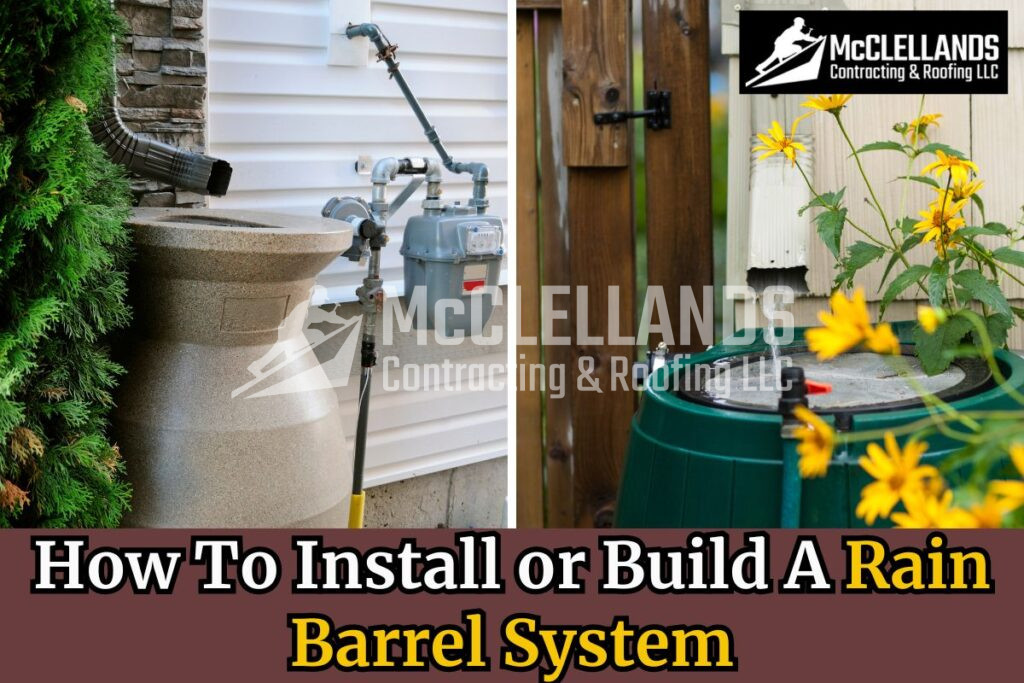

Installing a rain barrel system takes 2-4 hours for most homeowners and costs $100-$300 depending on barrel size and features. The basic process involves selecting a location near a downspout on level ground, creating a stable elevated base using cinder blocks or a platform (raising the barrel 12-24 inches improves water pressure), installing a spigot near the bottom and overflow valve near the top of your barrel, connecting the barrel to your downspout using a diverter kit, and directing overflow water away from your foundation. A typical 50-60 gallon rain barrel collects approximately 600 gallons of water from just one inch of rainfall on a 1,000 square foot roof, providing free water for gardens, lawns, and outdoor cleaning while reducing your water bill by $35-$100 annually.
This DIY project requires basic tools (drill, hole saw, screwdriver, utility knife), minimal technical skill, and delivers immediate benefits including reduced water bills, healthier plants (rainwater lacks chlorine and minerals that tap water contains), reduced foundation stress from water runoff, and environmental conservation. Most homeowners complete installation in a single afternoon with results lasting 10-20 years with minimal maintenance.
This comprehensive guide walks you through every step of rain barrel system installation, from understanding components and choosing locations to connecting downspouts and maintaining your system for maximum longevity.
What Is a Rain Barrel System?
A rain barrel system is a simple water collection method that captures rainwater from your roof through gutters and downspouts, storing it for later use in gardening, lawn watering, car washing, and other outdoor applications. This passive system requires no electricity or complex mechanics—gravity naturally fills your barrel during rain events, then gravity helps distribute the water when you need it.
How Rain Barrel Systems Work
When rain falls on your roof, gutters channel water to downspouts that normally direct runoff away from your foundation. A rain barrel system intercepts this water flow before it reaches the ground, diverting it into a storage container positioned at the downspout base. The barrel accumulates water during rainfall, holding it until you’re ready to use it. A spigot (faucet) installed near the barrel’s bottom allows easy access to stored water, while an overflow mechanism prevents barrel overfilling during heavy storms by redirecting excess water safely away from your foundation.
The elegance of rain barrel systems lies in their simplicity. No pumps, no electricity, no filters, no complex plumbing—just strategic positioning that leverages existing gutter infrastructure to capture free water that would otherwise run off your property unused.
Key Components of Rain Barrel Systems
Rain Barrel or Container: The storage vessel, typically holding 50-80 gallons (though sizes range from 40-200+ gallons), made from food-grade plastic, recycled barrels, or purpose-built rain collection containers. Larger capacity means more water storage but requires more space and stronger base support.
Downspout Diverter: A device that connects to your existing downspout, redirecting water into the barrel while allowing excess water to continue down the original downspout path when the barrel fills. This critical component prevents barrel overflow while maintaining normal drainage during heavy rainfall.
Spigot or Tap: A faucet installed near the barrel’s bottom (4-6 inches from base) that dispenses collected water. Standard garden hose threading allows direct hose connection or easy filling of watering cans. Positioning 4-6 inches above ground level allows space to fit watering cans underneath while leaving small amount of water in barrel bottom (reducing complete drainage issues and providing mosquito control through depth).
Overflow Valve or Hose: A mechanism near the barrel’s top (2-4 inches from rim) that manages excess water when the barrel reaches capacity. The overflow hose should extend at least 6-10 feet from your foundation, directing water toward appropriate drainage areas like gardens, lawn areas, or storm drains.
Mesh Screen or Filter: Fine screening covering the barrel’s inlet prevents debris (leaves, twigs, roof granules) and insects (especially mosquitoes seeking breeding sites) from entering your water supply. This simple addition dramatically reduces maintenance needs and keeps water cleaner.
Stable Base or Platform: An elevated foundation (cinder blocks, pressure-treated lumber platform, or purpose-built stand) raising the barrel 12-24 inches above ground level. Elevation serves multiple purposes: improves water pressure from the spigot through increased height, creates space underneath for filling watering cans, improves drainage efficiency, and keeps barrel bottom from ground contact (reducing rot and rust).
Why Rain Barrels Make Sense
Rain barrels provide practical benefits that justify the modest investment and installation effort. You’ll save money through reduced municipal water usage (typical savings of $35-$100 annually depending on garden size and local water rates). Your plants will thrive better with naturally soft rainwater that lacks chlorine, fluoride, and minerals found in treated tap water. Your property benefits from reduced soil erosion and foundation stress caused by concentrated downspout runoff. The environment wins through reduced demand on municipal water treatment systems and reduced stormwater runoff entering overwhelmed sewer systems during heavy rain.
Beyond these tangible benefits, rain barrels provide water security during drought restrictions when municipalities ban outdoor watering. Your stored rainwater remains available for essential garden watering regardless of restrictions, protecting investment in landscaping and food gardens.
How Much Rainwater Can You Collect?
Understanding collection potential helps you choose appropriate barrel size and set realistic expectations for how much free water your system will provide.
Calculating Collection Capacity
The formula for rainwater collection is straightforward: 0.623 gallons per square foot of roof area per inch of rainfall. This means a 1,000 square foot roof collects approximately 623 gallons from just one inch of rain. A 2,000 square foot roof would collect 1,246 gallons from the same storm.
To calculate your specific collection potential, measure your roof’s footprint area (length × width of the horizontal ground area covered by your roof, not actual sloped roof surface area). Multiply this area by 0.623, then multiply by your area’s average rainfall per storm. For example, a 1,500 square foot roof in an area receiving 0.5 inch rain events would collect: 1,500 × 0.623 × 0.5 = 467 gallons per typical storm.
Barrel Size Considerations
Standard rain barrels (50-60 gallons) work well for most residential applications, fitting under standard downspouts while providing substantial water storage for average gardens. These fill quickly during rain events—a 50 gallon barrel fills in just minutes during moderate rainfall on roofs over 1,000 square feet. This rapid filling means you’ll experience overflow during most rain events, which is normal and expected.
Larger barrels (80-200 gallons) capture more water but require more space, stronger base support (200 gallons weighs 1,600+ pounds when full), and often need multiple downspout connections or larger collection areas. Multiple smaller barrels connected in series often prove more practical than single large containers, allowing modular expansion and easier placement in constrained spaces.
The reality of rain barrel systems is that you’ll never capture all available rainwater—storage capacity limits collection far more than rainfall volume. A 50 gallon barrel captures just 8% of water from a 1 inch rain event on a 1,000 square foot roof. This limitation is acceptable because the goal isn’t total rainwater capture but rather collecting enough free water for between-rain watering needs.
Regional Rainfall Patterns
Your location’s rainfall patterns dramatically affect rain barrel utility. Areas with consistent light rainfall throughout growing season (Pacific Northwest, Northeast) provide steady barrel refilling supporting regular garden watering. Areas with seasonal rainfall patterns (Southwest, Southeast summer thunderstorms) create feast-or-famine situations where barrels refill quickly during rainy seasons but provide limited help during extended dry periods.
Check average rainfall data for your region to understand realistic expectations. Areas receiving less than 20 inches annual rainfall may find limited rain barrel benefit, while areas exceeding 40 inches annual rainfall enjoy abundant free water throughout growing season.
Choosing the Right Location for Your Rain Barrel
Proper placement maximizes convenience, efficiency, and aesthetics while preventing problems like flooding, foundation damage, or difficult access.
Essential Location Criteria
Proximity to Downspout: Position your barrel within 2-3 feet of a downspout to minimize connection complexity. Longer distances require additional piping, create more connection points that can leak, and complicate installation. Most rain barrel systems work best when the barrel sits directly beside or slightly offset from the downspout base.
Level Ground: The barrel must sit on completely level ground to prevent tipping, ensure even water distribution, and avoid stress on barrel materials. A 50 gallon barrel weighs over 400 pounds when full—unstable positioning creates serious tipping hazards. Use a carpenter’s level to verify level placement, shimming as needed to achieve perfectly level installation.
Accessibility for Use: Consider how you’ll use collected water. Position barrels where you can easily fill watering cans, connect hoses directly to spigot, and access the system for maintenance. Placing barrels in difficult-to-reach locations behind shrubs or in tight spaces between structures may look tidy but reduces practical utility.
Foundation Clearance: Never position barrels where overflow could direct water toward your foundation. Overflow must drain away from your home, requiring either natural ground slope directing water away or overflow hose routing water to appropriate drainage areas. Minimum 6 foot distance from foundation is recommended for overflow discharge points.
Sun Exposure Considerations: Excessive sun exposure accelerates algae growth inside barrels (turning water green), degrades plastic materials over time (causing brittleness and cracking), and increases evaporation losses. Position barrels in partially shaded areas when possible, or use opaque barrels that block light preventing algae growth. However, don’t sacrifice proper downspout proximity for shade—downspout access is more critical.
Aesthetic Integration: While function trumps form, consider how rain barrels fit your landscape aesthetic. Barrels tucked beside garages or disguised behind plantings maintain clean appearance. Decorative barrels designed to look like urns, whiskey barrels, or architectural features integrate better with front-yard or highly visible placements. Some homeowners build decorative enclosures or lattice screens around functional barrels, creating attractive rain garden features.
Evaluating Multiple Downspout Options
Most homes have 4-8 downspouts around the perimeter. Evaluate each location considering which downspout drains largest roof section (more water collection), which location provides easiest garden access, which areas need better water management (problematic drainage spots), and which placement looks least obtrusive. You can install multiple barrels at different downspouts, creating distributed water collection that provides convenience throughout your property.
Ground Preparation Requirements
Once you’ve selected location, prepare the ground properly. Remove grass, weeds, or vegetation from the 3×3 foot area where barrel will sit. Level the ground using sand, gravel, or soil, checking with carpenter’s level. Create slight slope away from foundation if possible (though this is less critical if overflow hose routes water appropriately). Compact soil or add gravel base for heavy barrels (80+ gallons) to prevent settling over time.
The foundation must support substantial weight—remember that water weighs 8.34 pounds per gallon, meaning a 50 gallon barrel weighs 417 pounds when full plus barrel weight. Soft or uneven ground will settle, causing barrel tilt and potential tipping. Taking time to properly prepare level, stable ground prevents future problems.
What Materials and Tools Do You Need?
Gathering all necessary materials and tools before starting streamlines installation and prevents mid-project delays from missing components.
Required Materials
Rain Barrel: Purchase purpose-built rain barrels ($80-$200) from garden centers or home improvement stores, or repurpose food-grade barrels ($20-$60) from restaurant suppliers or online marketplaces. Purpose-built barrels include pre-installed spigots, overflow valves, and mesh screens, saving installation time. Repurposed barrels require drilling and hardware installation but cost significantly less. Ensure any repurposed barrel previously held only food-safe materials—avoid industrial chemical barrels regardless of cleaning since residues pose contamination risks.
Downspout Diverter Kit: These kits ($15-$40) include the diverter mechanism, necessary connectors, installation hardware, and instructions. Multiple styles exist including flip-up diverters that you can close during winter, fixed diverters with automatic overflow, and deluxe models with fine filtration. Choose based on your climate (winterization needs), preference, and budget.
Spigot or Brass Valve: A ¾-inch brass spigot ($8-$20) installs at barrel bottom for water dispensing. Brass resists corrosion better than plastic alternatives and provides standard hose thread connection. Some homeowners install ball valves instead of spigots for more positive on/off control, though spigots are more convenient for partial flow adjustment.
Overflow Hose or Pipe: Flexible corrugated drainage pipe (1-1.5 inch diameter, $5-$15 for 10 foot length) directs excess water away from foundation. This prevents overflow water from pooling around barrel base or compromising foundation drainage. PVC pipe works for permanent installations, while flexible pipe allows easier routing around obstacles.
Mesh Screen Material: Fine mesh screening ($5-$10) prevents debris and mosquitoes from entering barrel. Purpose-built rain barrels include integrated screens, but repurposed barrels need screening added. Choose mesh fine enough to exclude mosquitoes (16-20 mesh minimum) but coarse enough to allow good water flow.
Teflon Tape: Thread seal tape ($2-$4) ensures watertight connections on spigot and overflow valve threads, preventing leaks that waste collected water and create muddy areas around barrel.
Waterproof Sealant or Caulk: Silicone or rubber-based sealants ($5-$8) create waterproof seals around installed hardware, preventing leaks at penetration points. Choose products rated for outdoor use and potable water contact.
Base Materials: Cinder blocks ($2-$4 each, need 3-4 blocks), pressure-treated lumber for platform building ($20-$40), or purpose-built rain barrel stands ($40-$80) elevate barrel above ground. Budget for materials creating 12-24 inch elevation with stable, level surface supporting 400-600 pounds.
Required Tools
Power Drill: A corded or cordless drill handles all drilling needs during installation. Corded drills provide consistent power for tougher materials, while cordless models offer convenience for outdoor work.
Hole Saw Set: Hole saws (1-2 inch diameters, $15-$30 for set) cut clean holes for spigot and overflow valve installation. Purchase size matching your hardware diameter—typically 1 inch for standard spigots, 1.5 inches for overflow fittings.
Screwdriver Set: Both Phillips and flat-head screwdrivers handle various fastener types in diverter kits and mounting hardware. Magnetic tips prevent dropped screws during overhead downspout work.
Utility Knife or Hacksaw: These cut downspouts to appropriate height and trim hose or pipe to needed lengths. Hacksaws provide cleaner cuts on metal downspouts, while utility knives work for vinyl downspouts and hose trimming.
Adjustable Wrench or Pliers: These tighten spigot and overflow valve fittings securely, ensuring leak-free installation. Adjustable wrenches provide better leverage for stubborn fittings.
Carpenter’s Level: A 2-4 foot level verifies barrel base is level and checks downspout plumb. This essential tool prevents tipping hazards and ensures proper function.
Measuring Tape: Accurate measurements ensure proper downspout cutting height, correct overflow hose length, and appropriate hardware placement.
Safety Equipment: Safety glasses protect eyes during drilling (especially overhead downspout work where debris falls), while work gloves protect hands from sharp cut edges on downspouts and barrel materials.
Optional but Helpful Materials
Downspout Extensions: If your original downspout included extensions for foundation drainage, replace these with overflow hose serving same drainage purpose.
Barrel Stabilization Straps: Straps or bungee cords ($8-$15) secure barrel to nearby structures (fence posts, wall brackets) preventing wind damage or tipping in high-traffic areas.
Mosquito Dunks: Biological larvicide tablets ($12-$18 for season supply) safely eliminate mosquito larvae if they enter your barrel despite screening. These contain Bacillus thuringiensis bacteria harmful only to mosquito larvae, safe for plants, animals, and people.
Winter Spigot Cap: Threaded caps ($3-$5) protect spigots during winter when barrels are emptied and stored, preventing debris accumulation and freeze damage.
How to Install Your Rain Barrel System: Step-by-Step Instructions
Following methodical installation steps ensures reliable, leak-free system that provides years of service with minimal maintenance.
Step 1: Prepare the Rain Barrel
Clean the Barrel Interior: Begin with thorough cleaning, especially for repurposed barrels. Fill barrel quarter-full with water, add mild dish soap, and scrub interior surfaces with long-handled brush. Rinse thoroughly multiple times until water runs clear with no soap residue or odors. For barrels with stubborn residues or odors, create cleaning solution using 1 cup white vinegar per gallon of water, let soak several hours, then rinse thoroughly. Never use harsh chemicals or bleach—residues can harm plants.
Mark Hardware Locations: Measure and mark locations for spigot and overflow valve. For the spigot, mark 4-6 inches from barrel bottom and 2-3 inches from barrel side edge. This height allows watering can clearance while maximizing usable water volume. For the overflow valve, mark 2-4 inches below rim on opposite side from spigot or inlet location. This positioning ensures maximum storage before overflow activation.
Drill Holes: Using appropriate size hole saw (matching hardware diameter), drill cleanly through barrel wall at marked locations. Work slowly, especially as drill breaks through interior wall—fast drilling creates rough edges that compromise seals. Drill from outside inward to create cleanest outer edge (most visible side). Remove plastic burrs or rough edges with utility knife or sandpaper, creating smooth surface for hardware sealing.
Step 2: Install the Spigot
Prepare Spigot: Wrap spigot threads with 3-4 layers of Teflon tape, wrapping clockwise (direction of threading) to prevent tape from unwinding during installation. This tape creates watertight seal preventing leaks at threaded connections.
Install Spigot Assembly: Insert spigot through lower hole from outside barrel. If your spigot includes separate interior washer and nut, position rubber washer against interior barrel wall, thread nut onto spigot from inside, and hand-tighten firmly. Use adjustable wrench to tighten additional quarter-turn—avoid over-tightening which can crack plastic barrels or distort washers. Apply small bead of waterproof sealant around exterior edge where spigot meets barrel, smoothing with finger to create clean seal. Wipe excess sealant with damp cloth. Allow sealant to cure according to manufacturer directions (typically 24 hours) before filling barrel.
Step 3: Install the Overflow Valve
Prepare Overflow Valve: The overflow valve or bulkhead fitting allows hose attachment for water diversion. Wrap threads with Teflon tape following same technique as spigot installation.
Install Overflow Assembly: Insert overflow fitting through upper hole. Position rubber washer inside barrel, thread nut onto fitting from inside, and tighten securely. Apply waterproof sealant around exterior edge for additional leak protection. Once sealant cures, attach overflow hose to external threads, tightening hose clamp to secure connection. Route hose downward and away from foundation, extending minimum 6-10 feet to appropriate drainage area. Secure hose along ground with landscape staples or small stakes to prevent tripping hazards and maintain proper routing.
Step 4: Create Stable Base
Build Cinder Block Foundation: The simplest elevation method uses cinder blocks arranged in stable configuration. For 50 gallon barrels, arrange three blocks in triangle pattern (two front, one rear) or four blocks in square pattern for maximum stability. Ensure blocks sit on level, compacted ground. Place barrel on blocks and verify level placement using carpenter’s level—shim with flat stones or plastic shims under individual blocks if needed to achieve perfectly level barrel. For 80+ gallon barrels, use four blocks minimum in square configuration for adequate load distribution.
Construct Wooden Platform: For more permanent and attractive installation, build simple platform from pressure-treated lumber (naturally rot-resistant for ground contact). Cut four 18-inch lengths of 4×4 lumber for legs and two 24-inch lengths of 2×12 lumber for top platform. Arrange 4×4 legs in stable configuration on level ground, attach 2×12 platform boards across top using 3-inch exterior screws, and set barrel on platform verifying level placement. This method creates strong, stable base with attractive appearance.
Use Purpose-Built Stand: Commercial rain barrel stands ($40-$80) offer quick setup with professional appearance. These typically feature powder-coated metal construction, built-in leveling feet, and designs supporting 400-800 pounds. Assembly involves connecting precut components following included instructions—usually 15-30 minute process.
Step 5: Position the Barrel
Place Barrel on Base: With help from assistant (empty barrels are awkward, full barrels are extremely heavy), carefully position barrel on prepared base. Orient barrel so spigot faces outward for easy access and overflow valve positions appropriately for hose routing away from foundation. Double-check level using carpenter’s level placed on barrel rim—adjust base as needed for perfectly level installation. Verify barrel stability by gently pushing from different sides—properly installed barrel should feel rock-solid with no wobbling or shifting.
Secure Barrel (Optional but Recommended): In windy areas or high-traffic locations, secure barrel to prevent tipping. Attach metal strapping or heavy-duty bungee cords from barrel to nearby fence post, wall-mounted bracket, or other fixed structure. This prevents wind damage during storms and provides peace of mind in areas where children or pets might bump barrel.
Step 6: Cut and Prepare Downspout
Measure Cut Height: Measure from ground to point just above barrel rim (typically 30-40 inches depending on barrel height and base elevation). Mark this height on downspout with pencil. The diverter will install at this point, directing water into barrel while allowing overflow to continue down original downspout path.
Cut Downspout: Using hacksaw for aluminum or metal downspouts (or utility knife for vinyl downspouts), cut cleanly through downspout at marked height. Make straight, perpendicular cut for best diverter fit. Remove any burrs or sharp edges with file or sandpaper. Keep cut section—you may need it if you remove barrel system in future.
Install Downspout Strainer (Optional): Before installing diverter, consider adding downspout strainer or leaf guard at gutter outlet. These catch large debris before it enters downspout, reducing maintenance needs for both rain barrel screen and downspout diverter. Simple mesh strainers cost $5-$10 and snap into gutter outlet.
Step 7: Install Downspout Diverter
Insert Diverter: Follow manufacturer instructions specific to your diverter kit—designs vary but general principles remain consistent. Most diverters slide into upper downspout section, with lower extension piece sliding over diverter bottom and into original downspout base. Some models require drilling small holes for screws securing diverter position. Position diverter outlet (typically flexible tube or rigid elbow) to direct water into barrel opening. Ensure tight fit—loose connections leak water and reduce efficiency.
Connect Diverter to Barrel: Attach flexible hose from diverter outlet to barrel inlet (top opening). Most barrels have threaded inlet accepting standard garden hose connection. Tighten hose firmly, using hose clamp if connection seems loose. Route hose with gentle curve rather than sharp bends—sharp bends restrict water flow and can crack in cold weather. Position hose so it extends several inches into barrel, preventing water from splashing out during heavy flow.
Seal Connections: Apply silicone sealant around any gaps at diverter installation points. This prevents water from escaping around diverter edges during heavy rainfall. Small leaks waste water and create icicles in winter that can damage diverter components.
Step 8: Install Mesh Screen
Cover Barrel Opening: Cut fine mesh screening 2-3 inches larger than barrel opening diameter. Place screen over barrel inlet, securing with heavy rubber band, bungee cord, or screen secured with hose clamp around barrel rim. Some barrels include built-in screen frames that snap into place. Ensure screen sits taut without sagging—sagging creates pools where mosquitoes can breed despite screening.
Check for Gaps: Inspect carefully around screen edges for any gaps larger than 1/16 inch. Mosquitoes squeeze through surprisingly small openings. Seal any gaps with additional screen material or adjust securing method to eliminate gaps.
Step 9: Final Inspection and Testing
Inspect All Connections: Before first use, carefully inspect every connection point for proper installation. Check spigot tightness, verify overflow valve shows no leaks, confirm diverter attaches securely to downspout, ensure overflow hose routes properly away from foundation, and verify mesh screen covers barrel completely with no gaps.
Conduct Water Test: Even if no rain is forecast soon, test your system. Using garden hose, pour water directly into barrel inlet slowly (simulating rainfall). Watch spigot and overflow valve for leaks—tighten or add additional sealant if needed. Once barrel fills, verify overflow activates properly with water flowing through overflow hose to appropriate drainage area. Verify water dispenses easily from spigot, checking that elevated barrel provides adequate flow pressure for your watering needs.
Make Adjustments: Address any issues discovered during testing. Tighten loose connections, add sealant where leaks appear, adjust overflow hose routing if water doesn’t drain appropriately, and level barrel if tilting is observed. These adjustments now prevent problems during actual rain events.
How Do You Maintain Your Rain Barrel System?
Regular maintenance ensures system longevity, water quality, and efficient operation with minimal effort required throughout the season.
Seasonal Maintenance Tasks
Spring Setup and Inspection (Before Heavy Rain Season): Clean barrel interior thoroughly after winter storage, removing any accumulated dirt, debris, or algae. Inspect spigot, overflow valve, and diverter for winter damage like cracks from freezing. Replace damaged components before seasonal use begins. Clean mesh screen, removing any debris, leaves, or organic buildup that accumulated over winter. Check all hose connections, tightening any that loosened during storage or winter temperature cycles. Test system with garden hose, filling completely and checking for leaks at all connection points. Apply fresh coat of UV-protective spray to plastic barrels if showing sun damage (chalking or fading).
Monthly Maintenance During Use Season: Inspect mesh screen weekly during heavy pollen or leaf season, removing accumulated debris that restricts water flow. Clean screen by removing it, rinsing thoroughly with hose, and reinstalling while still damp. Check spigot for drips or leaks, tightening or replacing washers as needed—small leaks waste collected water and create muddy areas around barrel. Verify overflow hose remains properly positioned, adjusting if shifted by lawn maintenance or foot traffic. Look inside barrel (using flashlight) checking water clarity and watching for mosquito larvae—presence indicates screening failure that needs immediate attention.
End of Season Winterization (Before First Freeze): In climates experiencing freezing temperatures, winterization prevents expensive damage to barrel and components. Disconnect downspout diverter, either capping the connection or reconnecting original downspout section (if you saved it) so winter precipitation drains normally. Drain barrel completely by opening spigot and tipping barrel forward to remove all water—even small amounts can freeze and crack barrel or damage valves. Remove spigot and overflow valve from barrel, storing indoors where freezing won’t damage components. Clean barrel interior one final time, rinsing thoroughly and allowing to air dry completely. Store barrel indoors, in garage, or outside upside down so precipitation and debris don’t accumulate inside. If storing outside, secure barrel so wind doesn’t blow it around property. Cap or cover exposed plumbing connections on house to prevent debris entry.
Water Quality Management
Prevent Algae Growth: Algae thrives in sunlight, warm temperatures, and nutrient-rich water. Use opaque barrels blocking light completely—clear or translucent barrels develop algae quickly despite best cleaning efforts. Keep barrel lid or screen covered completely, preventing light entry even around edges. Position barrel in shaded location when possible, though proper downspout access takes priority over shade. Use barrel water regularly rather than letting it sit for weeks—stagnant water develops algae faster than water used and refilled frequently. If algae develops (water turns greenish), drain completely, scrub interior with brush and white vinegar solution (1:3 ratio vinegar to water), rinse thoroughly, and refill with clean rainwater.
Eliminate Mosquito Breeding: Mosquitoes lay eggs in standing water, with larvae developing into adults in just 7-10 days. Your rain barrel can become mosquito factory if not properly managed. Ensure mesh screen fits tightly with absolutely no gaps—even tiny openings allow mosquito entry. Check screen condition monthly, repairing any tears or holes immediately. Keep water level below overflow valve when possible—the 2-4 inch air gap between water surface and barrel top reduces mosquito breeding risk. Use mosquito dunks (biological larvicide) if mosquitoes do enter barrel—these slowly release Bacillus thuringiensis bacteria that kills mosquito larvae but is harmless to plants, pets, and people. One dunk treats up to 100 square feet of water surface for 30 days. For severe infestations, drain and clean barrel completely, eliminating larvae before they mature.
Manage Sediment and Debris: Despite mesh screening, fine sediment, roof granules, and organic particles gradually accumulate in barrel bottom. This sediment doesn’t harm plants but can clog spigot screens and create cloudy water. Once or twice per season, drain barrel completely and flush sediment out through spigot or by tipping barrel and pouring out accumulated material. For persistent sediment issues, install first-flush diverter on downspout—this device diverts initial rainfall (containing highest debris concentration from roof washing) away from barrel, allowing only cleaner water to enter. First-flush diverters cost $25-$50 and significantly improve water quality with minimal complexity.
Component Repair and Replacement
Spigot Maintenance: Spigots occasionally develop drips from worn washers or O-rings. Most spigots disassemble easily—unscrew handle revealing internal washer that creates seal when valve closes. Replace worn washer with matching size from hardware store (bring old washer for sizing). Coat new washer with small amount of plumber’s grease before reassembly, ensuring smooth operation and better seal. If spigot body cracks (common in plastic models), replace entirely rather than attempting repair—leaking spigots waste collected water and undermine barrel efficiency.
Screen Replacement: Mesh screens degrade from UV exposure, physical damage, and accumulated debris. Replace screens showing holes, tears, or significant deterioration. Purchase replacement screening by the roll ($8-$15) at hardware stores, cutting pieces sized for your barrel with 2-3 inch overlap beyond barrel rim. Secure with bungee cord, heavy rubber band, or hose clamp around barrel rim. Consider upgrading to stainless steel mesh for longest lifespan—though more expensive initially ($15-$25), stainless steel lasts indefinitely with proper care.
Hose and Connection Maintenance: Overflow hoses crack from sun exposure and freezing cycles. Inspect entire hose length annually, looking for cracks, splits, or deterioration. Replace damaged sections immediately—leaking overflow hoses dump water near foundation rather than appropriate drainage areas. Check all hose clamps, tightening any that loosened from temperature cycling or vibration. Consider upgrading to UV-resistant hose for longer outdoor lifespan.
What Are the Benefits of Rain Barrel Systems?
Understanding comprehensive benefits justifies the modest investment and helps you maximize value from your rain barrel system.
Financial Savings
Rain barrels reduce municipal water consumption for outdoor use, creating direct savings on water bills. The average American household uses 30-50% of total water consumption for outdoor purposes including lawn watering, garden irrigation, car washing, and outdoor cleaning. Rain barrels offset significant portion of this outdoor water use, particularly during growing season when irrigation needs peak. Typical savings range $35-$100 annually depending on garden size, local water rates, and regional rainfall patterns. Areas with expensive water rates or large gardens see higher savings, while small gardens in areas with cheap water see minimal financial benefit. Beyond direct water bill savings, rain barrels reduce burden on municipal water treatment and distribution systems, creating indirect environmental cost savings through reduced infrastructure demand.
Plant Health and Garden Benefits
Rainwater provides superior irrigation compared to treated municipal water for several important reasons. Rainwater is naturally soft, lacking minerals, chlorine, and fluoride found in tap water. These additives benefit human health but can harm sensitive plants, particularly acid-loving species like azaleas, blueberries, and rhododendrons. Rainwater’s neutral pH (typically 5.5-6.5) suits most plants better than alkaline tap water that can raise soil pH over time. Rainwater is room temperature or warmer rather than cold tap water that can shock plant roots during hot weather. Many gardeners report noticeably healthier plants, more vibrant growth, and better yields when using rainwater for irrigation compared to tap water—though scientific documentation of these benefits varies.
Stormwater Management and Erosion Prevention
Rain barrels provide micro-scale stormwater management, capturing runoff that would otherwise flow immediately into storm sewers or across your property. A single inch of rain on 1,000 square foot roof produces over 600 gallons of runoff—substantial volume that contributes to local flooding, erosion, and water quality problems when combined with runoff from entire neighborhoods. By capturing even 50-100 gallons per storm, rain barrels reduce peak flow rates and total volume entering storm sewers, reducing burden on aging stormwater infrastructure and decreasing flood risk.
The concentrated flow from downspouts creates erosion problems around foundations, washing away soil, damaging landscaping, and creating uneven ground. Rain barrels eliminate this concentrated flow by capturing water and releasing it slowly through overflow mechanisms during heavy rain or through spigot during dry periods. This controlled release prevents erosion, protects foundation plantings, and improves yard drainage patterns.
Water Security During Restrictions
Many regions implement outdoor watering restrictions during droughts, typically limiting lawn watering to specific days or banning outdoor water use entirely. Rain barrels provide legal, stored water source exempt from most restrictions since you collected this water before restrictions began. This stored water becomes precious resource protecting landscape investment and food garden productivity when municipal water sources are unavailable. For vegetable gardeners particularly, rain barrel water keeps crops alive during critical growing periods when restrictions would otherwise force harvest losses.
Environmental Conservation
Rain barrels contribute to environmental conservation through several mechanisms. Reduced municipal water demand means less energy required for water treatment and pumping—significant environmental benefit since water treatment requires substantial electricity consumption. Reduced stormwater runoff means less pollution entering waterways since runoff carries lawn chemicals, pet waste, oil residues, and other contaminants directly into streams and rivers during rain events. Capturing even partial runoff reduces this non-point source pollution. Conservation mindset develops from visible connection between rainfall and water use—gardeners using rain barrels become more conscious of water as precious resource rather than unlimited commodity flowing from tap.
Educational and Community Benefits
Rain barrel systems create educational opportunities for children and families to learn about water cycles, conservation, and sustainable living. The visible, simple mechanics make water systems tangible rather than abstract—children see rain falling, collecting in barrel, then watering plants their families consume. This hands-on environmental education creates lasting impact. In community settings, rain barrel systems demonstrate practical sustainability, inspiring neighbors to implement similar systems and creating cumulative environmental benefit as adoption spreads.
Are Rain Barrel Systems Legal? Understanding Local Regulations
Rain barrel legality varies by location, with regulations ranging from active encouragement to outright prohibition depending on regional water law complexity and historical water rights frameworks.
Current Legal Landscape
Most states and localities now permit or actively encourage residential rain barrel use as communities recognize stormwater management benefits and seek to reduce demand on aging water infrastructure. However, several western states historically restricted or prohibited rainwater harvesting based on prior appropriation water rights doctrine—the principle that downstream water users have legal rights to water flowing through properties upstream. Under this doctrine, capturing rainwater theoretically reduces downstream flow, potentially infringing on downstream water rights holders.
As of 2026, Colorado, Utah, and several other western states have relaxed historical restrictions, now permitting limited residential rainwater collection (typically 2-3 barrels maximum). Other states like Texas, Ohio, and Rhode Island actively incentivize rain barrel installation through rebate programs, tax incentives, or free barrel distribution programs. The trend is clearly toward legalization and encouragement rather than restriction, but local regulations still vary significantly.
Checking Local Requirements
Before purchasing or installing rain barrel systems, verify local regulations through several avenues. Contact your municipal water department or city utility office asking specifically about rain barrel regulations, collection limits, and permit requirements. Check county or state environmental quality departments for stormwater management regulations that may address rain barrels. Review homeowners association (HOA) rules if applicable since some HOAs restrict visible water collection systems regardless of municipal regulations. Search for local rain barrel rebate or incentive programs since these indicate permissive regulatory environment and may offset installation costs.
Common Regulatory Requirements
Where rain barrels are permitted, common requirements include capacity limits (often 2-3 barrels or 100-200 gallons maximum per property), use restrictions (typically limiting use to outdoor irrigation rather than indoor consumption), screening requirements (mandating mesh covers preventing mosquito breeding), overflow management requirements (ensuring overflow doesn’t impact neighboring properties), and occasional permit requirements (particularly for large systems or commercial applications). These requirements aim to prevent mosquito breeding, control potential flooding from poor overflow management, and limit interference with downstream water rights.
Municipal Incentive Programs
Many municipalities offer incentives promoting rain barrel adoption. These include rebate programs providing $50-$100 toward barrel purchase, free or discounted rain barrel distribution events, educational workshops teaching installation and maintenance, stormwater fee reductions for properties implementing rainwater harvesting, and grants for community-scale rainwater collection projects. Check with local water utilities, environmental departments, and county extension services about available programs in your area.
Troubleshooting Common Rain Barrel Problems
Even properly installed systems occasionally develop issues requiring troubleshooting and correction for optimal performance.
Barrel Not Filling During Rain
If your barrel remains empty despite recent rainfall, several causes may be responsible. Check that downspout diverter is open (some models include valve that closes for winter—verify it’s in open position). Inspect diverter for clogs from leaves, roof granules, or debris blocking water flow to barrel. Remove diverter, clean thoroughly, and reinstall. Verify barrel inlet mesh screen isn’t completely clogged with debris preventing water entry. Remove screen, rinse thoroughly, and reinstall. Confirm diverter hose connecting downspout to barrel hasn’t kinked, disconnected, or developed cracks allowing water escape before reaching barrel. Check that overflow valve isn’t stuck open, causing water to overflow immediately without filling barrel—this occurs if debris lodges in overflow mechanism.
Barrel Overflowing Too Quickly
Barrels overflow during heavy rain when collection rate exceeds barrel capacity—this is normal and expected. However, unusually rapid overflow may indicate problems. Verify overflow valve or hose isn’t clogged, restricting overflow and creating backup that makes barrel appear full when it’s not. Clear any blockages in overflow mechanism. Check that spigot isn’t slightly open, creating slow leak that prevents barrel from maintaining full capacity. Ensure spigot is completely closed during rain events. Consider whether barrel size is appropriate for your roof area and rainfall intensity—very large roof areas or very intense rainfall may require larger barrels or multiple barrels to capture desired water volume.
Water Pressure Too Low at Spigot
Low water pressure makes filling watering cans slow and prevents effective hose use. This usually results from insufficient barrel elevation. Raise barrel higher above ground—each additional foot of elevation increases pressure by 0.43 PSI. Minimum 12-18 inch elevation provides adequate pressure for most applications; 24-30 inch elevation provides notably better pressure. Check whether spigot includes internal screen that’s clogged with sediment or debris. Remove spigot, clean thoroughly, and reinstall. Verify hose (if attached) isn’t kinked or undersized—use ⅝ inch or ¾ inch hose rather than smaller diameter hoses that restrict flow.
Leaks at Spigot or Overflow Valve
Leaks indicate seal failure requiring immediate attention since leaking barrels waste collected water and create muddy problems around barrel base. Tighten spigot or valve carefully—many leaks result from gradual loosening over time. Use wrench to snug fittings, but avoid over-tightening which can crack plastic barrels. If tightening doesn’t resolve leak, disassemble connection, add fresh Teflon tape to threads, and apply new bead of waterproof sealant around exterior edge. Allow full cure time before refilling. For persistent leaks despite resealing efforts, replace damaged component entirely—sometimes plastic threads strip or washers degrade beyond repair.
Mosquito Infestation
Mosquito larvae in barrel indicate screening failure or breeding occurring in overflow mechanisms. First, eliminate existing larvae using mosquito dunks (biological larvicide safe for plants). Inspect mesh screen minutely for any holes, gaps, or tears—even tiny openings allow mosquito entry. Replace damaged screen with new fine mesh screening ensuring tight fit around entire barrel perimeter. Check overflow valve area—if overflow mechanism includes standing water where mosquitoes can breed (such as overflow catch basin), treat with mosquito dunks or modify overflow to eliminate standing water sections. Consider adding small amount of vegetable oil to water surface (1-2 tablespoons per 50 gallons)—creates thin film preventing mosquito larvae from breathing at water surface.
Algae Growth and Green Water
Algae turns water green, creates unpleasant odors, and can clog screens and spigots. Drain barrel completely, scrub interior thoroughly with brush and white vinegar solution, rinse repeatedly until water runs clear, and refill with clean rainwater. To prevent recurrence, block all light entry by using opaque barrel or wrapping clear barrels with dark material, keep barrel covered with solid lid or tight-fitting screen preventing light entry, position barrel in shaded location when possible, and use water regularly rather than allowing long-term stagnancy. For persistent algae despite prevention efforts, paint barrel interior with food-grade white paint creating light-reflecting surface that inhibits algae growth while maintaining water safety.
Get Professional Gutter Services for Optimal Rain Collection
While rain barrel installation is DIY-friendly, the foundation of effective rainwater collection begins with properly functioning gutters and downspouts. Clogged, damaged, or inadequate gutters reduce rain barrel efficiency and create water management problems throughout your property.
At McClellands Contracting and Roofing, LLC, we specialize in comprehensive gutter services ensuring your roof drainage works efficiently with rain barrel systems. Our experienced team provides expert gutter installation, repair, cleaning, and maintenance throughout Western Pennsylvania.