

 Residential
 Commercial
 Interior
 Exteriors
 Service Areas
 Contact Us
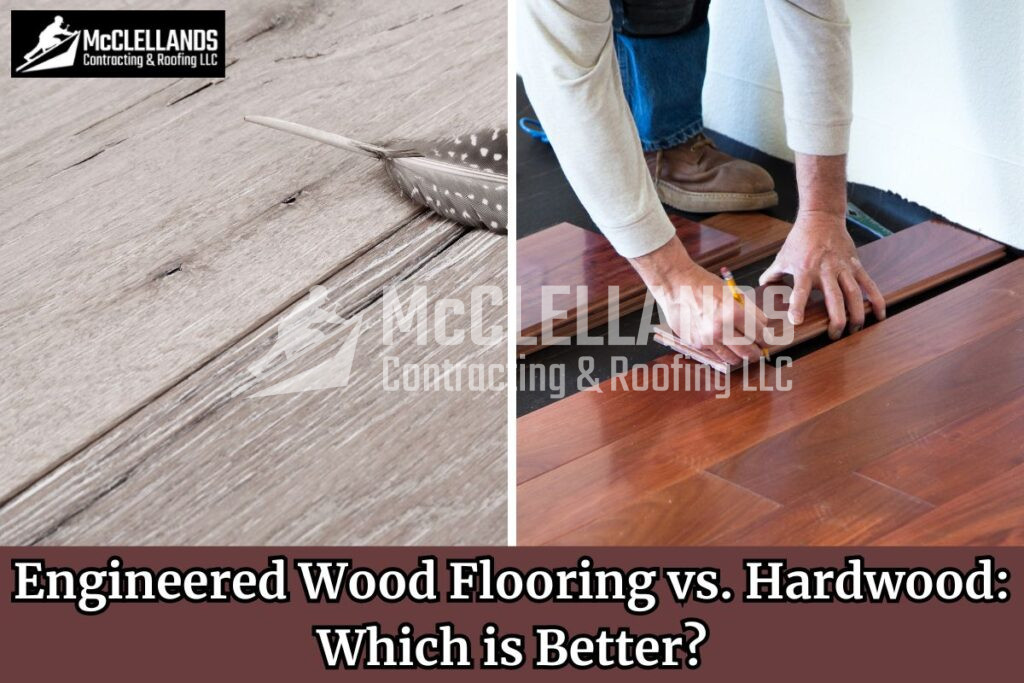
Whether hardwood or engineered wood floors, both provide your home with a beautiful, warm, and natural appearance. These flooring options are natural wood products that offer a premium finish to your space. However, there is often a debate about which one is better.
At McClellands Contracting and Roofing, we always bring insights related to the elements of your home, including the roof, windows, and floors. We aim to use our experience to provide you with information so you always choose the best option for your home.
In this blog post, we will explore engineered wood flooring vs. hardwood flooring so that you can choose what fits your specific requirements.
What Is Engineered Wood Flooring?
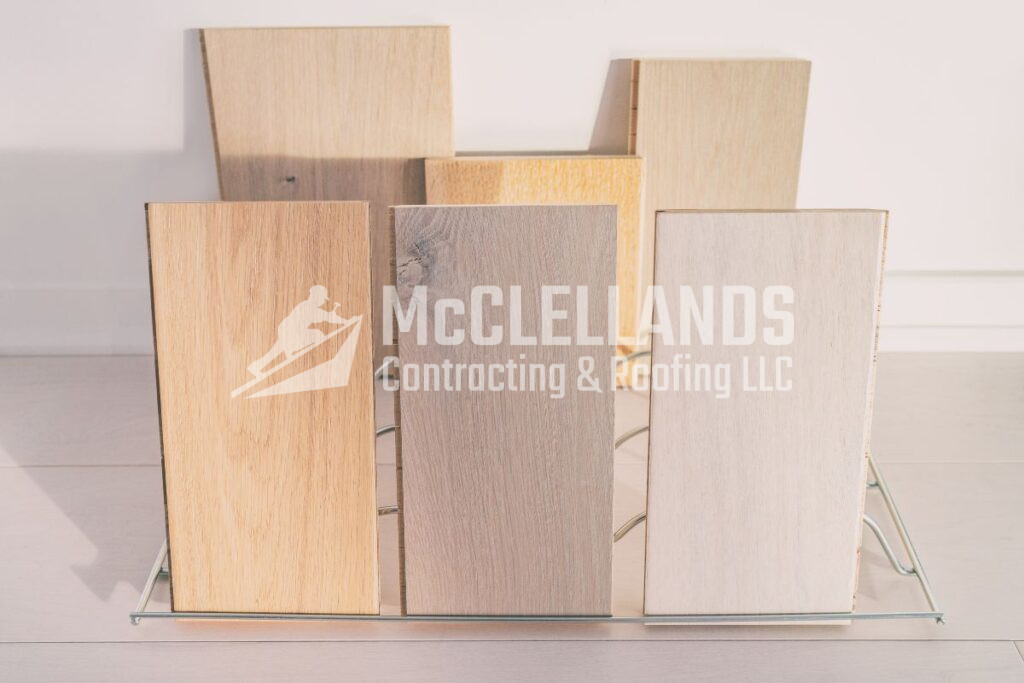
Engineered wood flooring is made of a top layer of hardwood (oak, maple, etc.) over multiple underlying layers of less expensive wood like plywood, high-density fiberboard (HDF), or hardwood core planks.
The layers underneath the hardwood top layer provide great structural stability. This makes engineered wood resistant to moisture, preventing it from warping or cupping as easily. It can work well in places like basements or over concrete subfloors where moisture is an issue.
Engineered wood now accounts for 70-80% of the total wood flooring market, making it the dominant industry standard rather than a niche alternative.
What Is Hardwood Flooring?
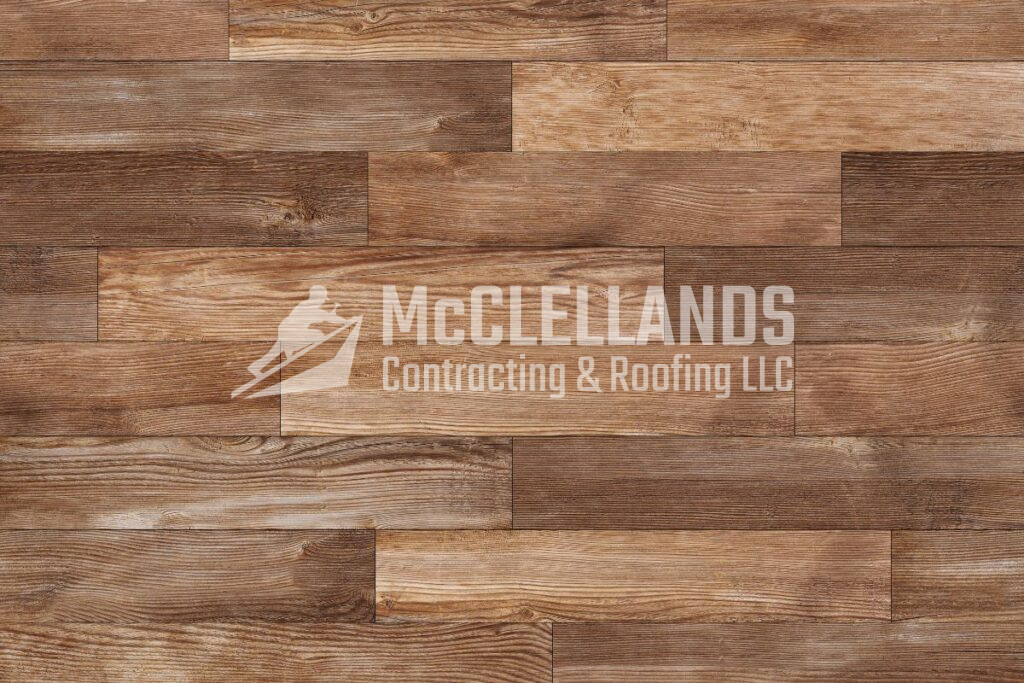
Hardwood flooring is made from various types of wood, such as oak, cherry, or maple. It offers a very natural look to a living space. Hardwood is created from solid planks of natural wood that are further sanded and polished to create a smooth surface.
They can be left with natural wood color or stained to create different shades like cherry or walnut. One primary benefit of hardwood floors is that they can last for many years with proper care. They are also attractive and can increase the value of a home.
Engineered Wood vs. Hardwood Flooring: A Detailed Comparision
| Feature | Engineered Wood | Solid Hardwood |
|---|---|---|
| Construction | Multi-layer plywood base with hardwood veneer top | 100% solid wood throughout |
| Cost per Sq. Ft. | $3–$12 | $5–$15+ |
| Moisture Resistance | High (suitable for basements, kitchens) | Low (not recommended for high-moisture areas) |
| Installation | Easier (click-lock, glue-down, or nail-down) | More complex (typically nail-down only) |
| Refinishing | Limited (1–3 times depending on veneer thickness) | Multiple times (5–7+ refinishes possible) |
| Lifespan | 20–40 years | 50–100+ years |
| Best For | Budget-conscious renovations, moisture-prone areas, DIY installation | Long-term investment, high-traffic areas, luxury homes |
Factors to Consider While Choosing The Right Flooring For Your Space
While both of these types of flooring have their own pros and cons, selecting the right option depends on certain factors that you need to consider.
Ease of Installation
Both engineered wood and hardwood can be challenging for inexperienced installers. Engineered wood planks are usually installed by nailing or gluing them into a wood subfloor. Hardwood can be nailed down, making it slightly more versatile for installation over different subfloor materials.
Durability
Recent industry data indicates that 90-95% of consumers rank durability as their primary concern when selecting flooring. Hardwood flooring can be refinished multiple times, and depending on the type of wood used, the number of times it can be sanded can differ. On the other hand, engineered wood can only be refinished once or twice, depending upon the thickness of the hardwood layer at the top. Hardwood flooring has a longer lifespan than engineered wood flooring.
| Wear Layer Thickness | Refinishing Potential | Durability | Best Use Case |
|---|---|---|---|
| 1–2 mm | Not recommended | Light residential use | Budget projects, low-traffic rooms |
| 3–4 mm | 1–2 times | Moderate residential use | Living rooms, bedrooms, standard renovations |
| 5–6 mm | 2–3 times | High residential use | High-traffic areas, long-term investment homes |
| 6+ mm | 3–4 times | Very high durability | Premium installations, commercial-grade residential |
Maintenance and Cleaning
When it comes to maintenance, both hardwood and engineered wood require similar routine cleaning using a vacuum, dry mop, or wood floor cleaner. Hardwood may need refinishing more often as the surface can wear down faster over time.
Both types of floors can be affected by standing moisture or water leaks, so spills should be cleaned up promptly. However, engineered wood generally holds up better against moisture thanks to its layered construction.
Aesthetic Options
Hardwood floors offer a wider variety of wood species and aesthetic options since they are made of 100% solid wood planks. You can find many different colors, grains, and textures. Engineered wood has limited options since the top veneer layer is relatively thin.
Installation Location
While both floor types can be installed on any level of the home, engineered hardwood may be preferable in areas like the kitchen or basement due to its increased resistance to moisture.
Solid hardwood can swell and distort if exposed to excessive moisture, so it is not usually installed in every room of the home. However, both of these options are not recommended for spaces like bathrooms.
Also Read: 5 Best Flooring Options For Bathroom Remodeling In 2024
Lifestyle
If you have pets at home, hardwood flooring may be better than engineered wood. With real hardwood floors, damage such as pet scratches can be sanded out and repaired so the floors look as good as new.
Engineered wood floors have a slim layer of hardwood. If pets make deep, heavy scratches, they can be very difficult to fix. The deep scratches may go through the hardwood layer and show the cheaper wood underneath. With solid hardwood, you can sand down the planks to remove scratches without exposing a different material below.
Environmental Impact
If environmental factors are important to you, consider that engineered wood utilizes more renewable wood resources than solid hardwood planks. Many companies use sustainable harvesting and recycled materials. Approximately 35-45% of wood flooring sales now originate from responsibly managed forests.
Engineered wood products often incorporate wood waste and by-products from other manufacturing processes, reducing waste and maximizing resource utilization. Additionally, some manufacturers prioritize responsible forestry practices and obtain certifications for their sustainable sourcing methods.
Final Thoughts
For most homeowners, engineered wood flooring makes the most sense. Residential replacement projects drive 65-70% of wood flooring sales, confirming it as a top choice for renovations. It provides the beauty of real hardwood while offering affordability, moisture resistance, and a medium installation difficulty.
The major downside is a shorter lifespan than solid hardwood floors. If you plan to live in your home long-term and want flooring that can last for a longer duration with refinishing, hardwood may be the wiser investment despite the higher price tag.
Call McClellands Contracting and Roofing For Floor Remodeling In Pittsburgh, PA
At McClellands Contracting and Roofing, we are creative, professional, and efficient. If you want to install new flooring or replace the existing one in Pittsburgh and the surrounding areas, we are the best home contractor for all your interior renovation needs. We are experts in customizing durable, affordable home remodeling services.
You can also count on us for smaller projects like replacing or installing new floors. Our skilled contractors will ensure quality workmanship and reliable floor installations. Call us at (412) 353-5660 to talk about your home project with our remodeling experts. We’ll work with you to understand your vision and provide a solution that fits your needs, lifestyle, and budget.
Can engineered wood flooring be installed over radiant heating systems?
Yes, engineered wood is often the preferred choice for radiant heating installations due to its dimensional stability. The multi-layer construction minimizes expansion and contraction caused by temperature fluctuations. Always verify that your specific product is rated for radiant heat and follow manufacturer guidelines for maximum temperature settings to prevent damage.
What happens if my engineered wood floor gets water damaged?
Minor spills cleaned immediately typically won’t cause issues, but standing water or flooding can compromise the adhesive layers and cause delamination. If water damage occurs, remove wet planks quickly, dry the subfloor thoroughly, and assess whether replacement is needed. Prevention through proper sealing and prompt spill cleanup is essential for long-term performance.
How do I know if my hardwood floors can be refinished again?
Check the thickness of remaining wood above the tongue-and-groove joint—you need at least 1/8 inch to safely sand. Signs your floors are too thin include visible nails, exposed tongue-and-groove, or previous refinishing records showing 5+ sandings. A flooring professional can measure precisely and advise whether refinishing or replacement is appropriate.
Which flooring option works better with underfloor insulation?
Engineered wood typically performs better with underfloor insulation due to its layered construction that accommodates thermal movement more effectively. Solid hardwood can still work but requires careful moisture barrier installation and acclimation periods. Consider the R-value of your insulation and how it affects heat transfer to ensure optimal flooring performance.
Are there warranties that differ between engineered and solid hardwood flooring?
Yes, warranty coverage varies significantly. Engineered wood often comes with 25-30 year residential warranties covering manufacturing defects and wear layer integrity. Solid hardwood typically offers lifetime structural warranties but may have shorter finish warranties. Always review what’s covered—installation issues, moisture damage, and normal wear are commonly excluded from both types.