

 Residential
 Commercial
 Interior
 Exteriors
 Service Areas
 Contact Us

From the underlayment to the flashing, each component in a roofing system plays a vital role in ensuring a roof’s longevity and functionality. One of the most important components of a roof is the decking. Roof decking is a crucial part of the roof that lays the foundation for the other materials to be installed.
Like any part of a house, roof decks have a limited lifespan of 20-30 years and may call for replacement at some point. Here are eight signs your roof decking may need to be replaced.
What Are The Signs Your Roof Decking Needs Replacement?
Now that you know what a roof deck is, it’s time to move to the core of our blog post. Over time the weather conditions in Pittsburgh can damage your decking. Since the deck is the innermost layer of your roofing system, it can be difficult to judge the level of damage associated with it. That’s why to help you, we’ve listed some of the signs of damage you should look out for.
Water Damage
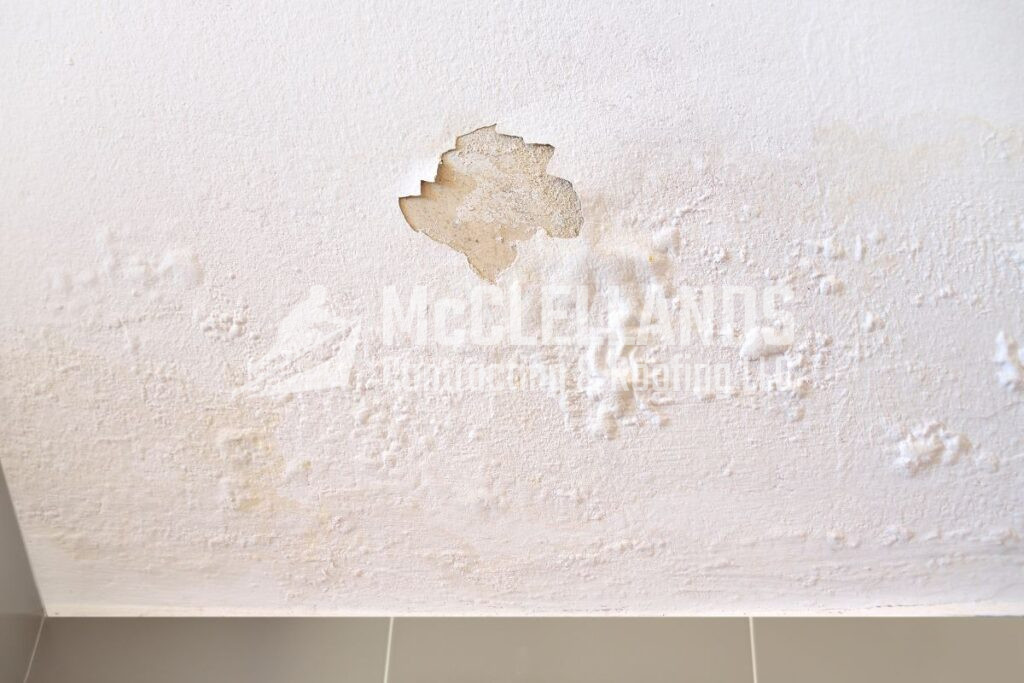
Water damage is one of the most common reasons you might need a roof decking replacement. As water starts to seep in through your shingles to your deck below, it will cause several issues, such as rotting, warping, and weakening of the roof decking, compromising the structural integrity of the entire roofing system. If left untreated, the water damage will lead to further problems.
Keep an eye out for signs of water damage in your roof decking. Visible water stains on your ceiling or interior walls clearly indicate a leak in your roofing system. Dark spots on ceilings indicate the roof deck has likely been compromised. If you notice any discoloration or peeling paint or wallpaper in your home, investigate and find the source of the water damage as soon as possible.
Hole In The Roof
Hole In The Roof
Holes in the roof are a serious issue that requires immediate attention. Holes can compromise the roof’s structural integrity and allow water to penetrate the underlying layers of the roofing system to a point where your roof decking can become damaged.
If you notice any holes in your roof, contact a professional roofer right away to assess the damage and determine the best course of action. In some cases, small holes can be repaired with patches or sealant, but more extensive damage may require an entire replacement of the affected portion.
Sunlight Through Your Attic
Sunlight shining through your attic is a serious warning sign. If you can see daylight passing through the roof deck when standing in your attic, there are holes in your decking that require immediate attention.
Musty Odor
A musty odor in your attic suggests the presence of mold or rot, which commonly develops when the roof deck has been exposed to moisture. This not only threatens the structural integrity of your roof, it also impacts your indoor air quality.
Soft Surfaces On Your Roof
Spongy or soft spots when walking on your roof indicate rotten roof decking beneath. Professional roofers can often detect this problem simply by the feel of the roof under their feet.
Age
The effects of age and wear can compromise the integrity of roof decking, leading to leaks, mold growth, and other problems. Monitor the condition of your roof decking over time and have it replaced when necessary to ensure your home’s continual safety and protection.
| Roof Component | Expected Lifespan | Key Considerations |
|---|---|---|
| Roof Deck | 20–30 years | With proper maintenance and no water damage |
| 3-Tab Asphalt Shingles | 15–20 years | Basic shingle type, less durable |
| Architectural Asphalt Shingles | 20–30 years | Premium shingles with better protection |
| Extended Lifespan (with maintenance) | +5–10 years | Regular inspections and timely repairs |
Regular maintenance and inspections help catch signs of wear and age early on, allowing for prompt repair or replacement.
Worn Out Shingles
Having worn-out shingles is one of the most common signs that your roof decking is damaged. Shingles are designed to protect the underlying roofing materials from the elements and provide a barrier against water and moisture. Over time, however, shingles become worn or damaged, allowing water to penetrate the roofing system and cause damage to the roof deck.
Different types of asphalt shingles have varying lifespans: 3-tab shingles typically last 15-20 years while architectural shingles can protect your roof for 20-30 years. Additionally, damaged decking can cause the shingles sitting on top to warp, curl, or buckle, creating pathways for water to enter your home.
Signs of shingle wear and tear include cracking, curling, granule loss, and missing shingles. Excessive shingle granule loss in your gutters might seem minor, but it can allow moisture to reach and damage your decking over time. These granules are important because they protect your shingles from UV rays and weather damage. If you notice any of these signs, have your roof inspected.
Your Roof Is Sagging
A sagging roof is a huge sign that there’s a problem with your roof and roof decking. This problem occurs when the roof decking becomes weakened or damaged, causing it to buckle or bend under the weight of the roofing materials. A sagging roof is a serious issue that requires immediate attention, as it can lead to more significant problems like leaks, mold growth, and even roof collapse.
When a roof sags, it is usually not noticeable at first, but the longer you ignore the signs, the more this problem will grow and harm your property.
A variety of factors can cause a sagging or bending roof. Here are some signs that your roof is sagging:
- Cracks on the exterior wall
- Dips in the ridgeline
- Dips along the entire roof
Check out our informational guide to learn more about roof sagging and its causes.
How To Repair A Damaged Roof Deck
Repairing a damaged roof deck requires careful attention to detail and proper materials to ensure the structural integrity of your roofing system. Here’s the step-by-step process:
- Thorough inspection: Assess the full extent of damage to determine which sections need replacement
- Remove shingles and underlayment: Carefully strip away the outer layers to expose the damaged decking
- Cut out rotted plywood or OSB: Remove all compromised material, cutting back to solid, undamaged wood
- Measure and cut replacement decking: Ensure new material matches the thickness of existing decking
- Secure to rafters: Fasten replacement decking with appropriate nails or screws
- Apply waterproof tape at seams: Seal joints between old and new decking material
- Install new underlayment and shingles: Complete the repair with fresh protective layers
Major roof rot may require wood treatments and ventilation upgrades to prevent future moisture problems.
Can You Repair A Damaged Roof Deck By Yourself?
DIY roof deck repair is not recommended for most homeowners. This type of work requires precision and expertise that comes from professional training and experience. Here are the main risks of attempting this repair yourself:
- Improper installation: Incorrect techniques can lead to uneven surfaces that compromise your entire roofing system
- Inadequate fastening: Poor attachment to rafters can compromise structural integrity
- Improper sealing: Gaps or poor waterproofing allow moisture penetration
- Incomplete damage assessment: Difficulty identifying the full extent of damage can leave problems unresolved
- Underlying issues: Failure to address root causes like poor ventilation can lead to recurring problems
Professional roofers have the tools, materials, and knowledge to complete this work safely and effectively.
You Notice A Sudden Increase In Your Utility Bills
Most homeowners are generally aware of the importance of the roof deck when it comes to the overall health of their roofing system. But you may not know that the sheathing or deck of your roof also plays a role in your home’s energy savings.
A roof’s primary function is to protect your home’s interior from the harsh forces of nature, but a properly installed roofing system can offer you much more in terms of benefits, including a reduction in your monthly bills. Effective roofing insulation can decrease cooling costs by 10-25%. Though there are several reasons for it, if you notice an unusual increase in the energy needs of your home, then the problem could be with your roof or the roof’s decking.
This can happen when roof decking is damaged or worn out, causing it to become less effective at insulating your home. As a result, your HVAC system has to work harder to maintain a comfortable temperature, leading to higher energy bills.
If you notice an unexplained increase in your energy bills, having your roof decking inspected by a professional roofing contractor is worth it.
What Are The Common Risks Of Ignoring A Damaged Roof Deck?
Ignoring damaged roof decking can lead to serious consequences that affect both your home’s structure and your family’s safety. 20-30% of roof replacements require new decking, often because early warning signs were overlooked. Here are the major risks:
- Structural failure and potential collapse: Weakened decking can no longer support the weight of roofing materials
- Increased leaks: Water damage spreads to attic insulation, reducing energy efficiency
- Mold and mildew growth: Moisture creates health hazards that can cause respiratory problems
- Fire hazards: Water reaching electrical systems in your attic creates dangerous conditions
- Interior damage: Leaks damage ceilings, walls, and personal belongings
- Pest attraction: Rotted wood attracts insects and small animals
- Progressive damage: Problems spread to trusses and rafters, requiring extensive repairs
When deck damage is ignored, total replacement costs can reach $9,500-$28,000, compared to addressing problems early with targeted repairs.
How Much Does It Cost To Replace Roof Decking?
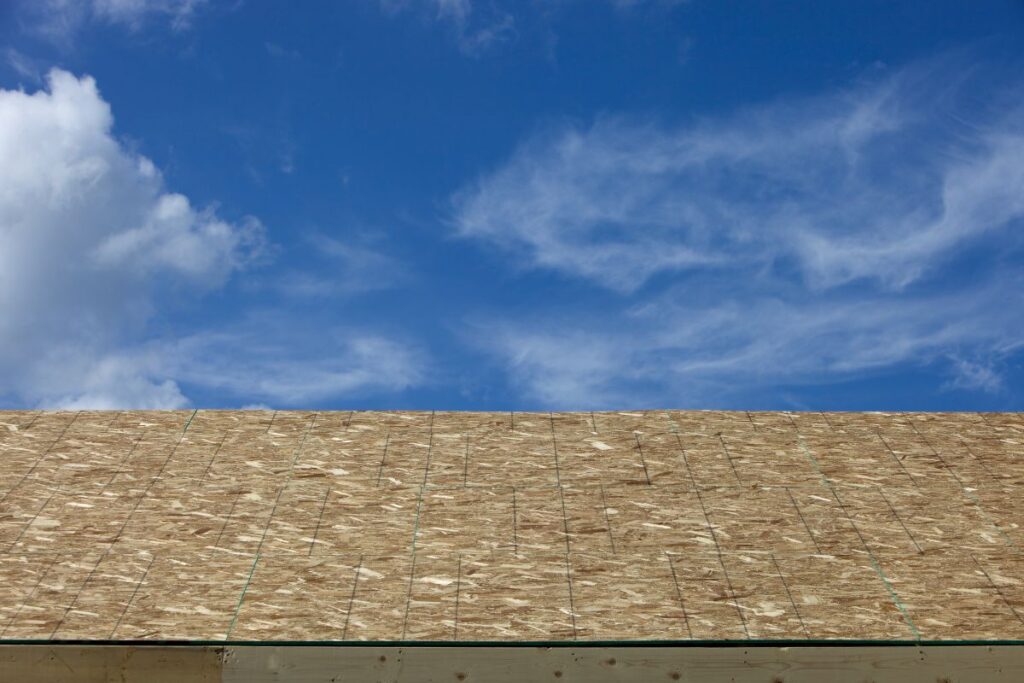
Now that you know when you need to replace your roof deck, the next thing you are likely to focus on is the cost of the roof decking. There are several types of roof decks available and the price will vary for each of them.
Generally, the cost of decking material varies from $2-$5 per square foot. However, a lot can influence the final price you’ll pay. Such as the following:
- The size of your roof
- The type of decking material used
- The pitch of the roof
- The area you live in
| Cost Component | Price Range | Notes |
|---|---|---|
| Decking Material (per sq ft) | $2–$5 | Plywood or OSB boards |
| Labor & Installation (per sq ft) | $18–$40 | Includes removal and installation |
| Total Project Cost (2,000 sq ft roof) | $4,000–$10,000 | Standard residential roof |
| Full Roof Replacement (if ignored) | $9,500–$28,000 | When deck damage spreads to entire system |
How Do You Maintain Roof Decking?
Maintaining your roof decking is essential to ensure your home’s continual safety and protection. Regular maintenance can extend your roof’s lifespan by 5-10 years. Here are some tips on how to do that and ensure that your roof lasts longer without needing a total replacement
Regular Roof Inspections:
Inspecting a roof is a task that does not require much effort or money but can do wonders for the longevity of your roof. Schedule regular inspections of your shingles, preferably twice a year, to identify any signs of damage, wear, or aging. Inspections can help catch potential problems early on and prevent costly repairs down the line.
Keep Your Roof Clean
One of the ways in which your deck can become damaged is when your roof retains moisture. One way to avoid this is by cleaning your roof from time to time. Keep your roof decking free of debris, such as leaves, branches, and dirt, as this can trap moisture and cause damage to your property. Regular cleaning will help prevent debris buildup and promote better drainage.
Replace Damaged Or Worn Components:
Replacing damaged or worn components are important to maintaining your roof decking. If you notice any signs of damage, wear, or aging, addressing these issues promptly is crucial to prevent further damage and protect your home. Some signs that components of your roof decking may need to be replaced include cracked or warped boards, missing shingles, or visible signs of rot or decay.
Also read: When Should You Replace Your Roof?
Best Roof Replacement Services In Pittsburgh
We hope you now have a better understanding of what roof decking is and the tell-tale signs that show there is some problem with this roofing component.
If the damage is not significant or there are not many issues, then repairing your roof will be enough to keep your home protected. However, if there is significant damage to your roof and its deck, then replacing your entire roofing system is crucial.
Regardless of the extent of damage, our McClellands Contracting and Roofing, LLC team can help. We offer the best roof replacement services in Pittsburgh and the surrounding areas. Our roofers have years of experience and have an excellent reputation in the area. Don’t let your roof suffer anymore, contact us today at (412) 353-5660 to book a free roof inspection with our experts. We’ll come to your home and give you our honest assessment so that you can get the best for your roof.
What materials are best for roof decking in areas with high humidity?
In humid climates, pressure-treated plywood or OSB with enhanced moisture resistance performs better than standard materials. Proper attic ventilation is equally important, as it prevents moisture buildup that can rot even the best decking materials. Some contractors also recommend applying waterproof barriers or sealants to decking seams for added protection.
How often should I inspect my roof decking if I can’t access my attic easily?
If attic access is limited, schedule professional exterior inspections annually and after major storms. Roofers can assess decking condition by examining shingle patterns, checking for soft spots, and using thermal imaging to detect moisture. Interior ceiling inspections every few months can also reveal water stains indicating decking problems.
Can roof decking problems affect my home insurance coverage?
Yes, neglected roof decking damage may lead to claim denials if insurers determine the issue resulted from lack of maintenance. Most policies cover sudden damage from storms but exclude gradual deterioration. Documenting regular inspections and timely repairs helps protect your coverage and demonstrates responsible homeownership.
What’s the difference between plywood and OSB for roof decking replacement?
Plywood offers superior moisture resistance and holds fasteners better, making it ideal for areas prone to leaks. OSB is engineered for consistent strength and typically costs less, but it swells more when wet. Both materials meet building codes when properly installed with adequate ventilation and waterproofing measures.
Will replacing just part of my roof decking create problems later?
Partial decking replacement is common and effective when damage is localized. Professional roofers ensure new sections match existing thickness and properly integrate with surrounding materials using waterproof tape at seams. The key is addressing the underlying cause of damage, like poor ventilation or leaks, to prevent future issues.