

 Residential
 Commercial
 Interior
 Exteriors
 Service Areas
 Contact Us
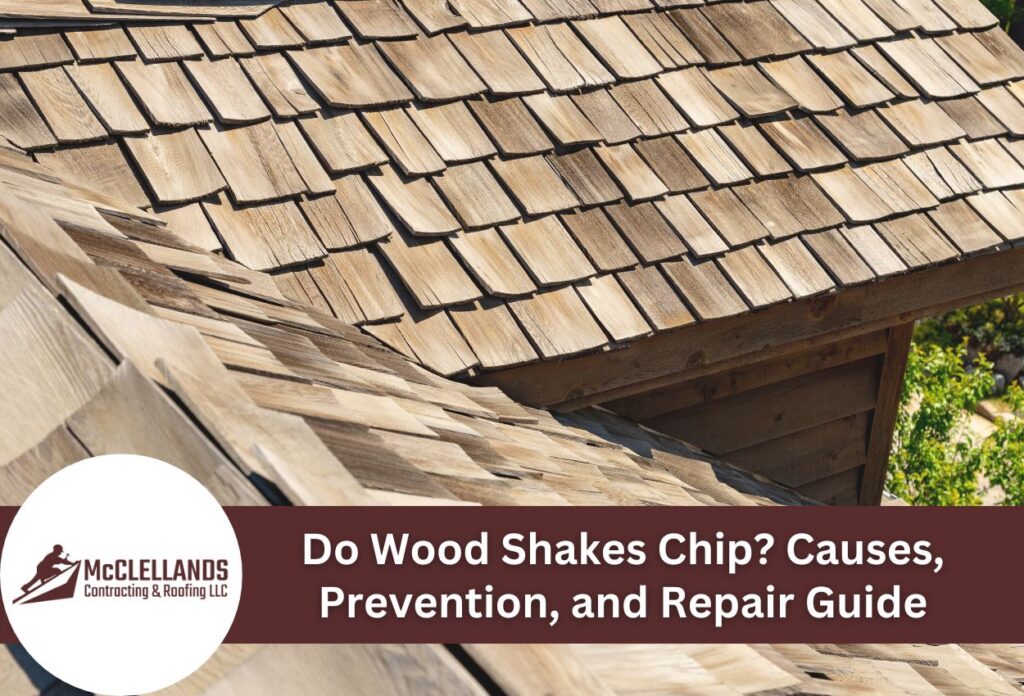

Wood shakes do chip, and this common form of damage affects roofs across the country. Chipping occurs when small pieces of wood break away from the surface or edges of shake shingles, creating gaps that compromise the roof’s protective barrier. Cedar shake damage prevention starts with understanding why these natural materials are vulnerable to this type of deterioration.
Wood shake shingle durability depends on multiple factors, including weather exposure, material quality, and maintenance practices. Chipping typically appears as small cracks, splits, or missing fragments along the edges and surfaces of individual shakes. These defects often begin as minor imperfections but can expand over time, allowing leaks to form that accelerate further damage. The natural composition of wood makes it susceptible to expansion and contraction during temperature fluctuations, which contributes to the chipping process.
Recognizing the signs of chipped wood shingles helps homeowners address problems before they escalate into more serious structural issues. Wood roof maintenance tips can significantly extend the lifespan of shake roofing and minimize the causes of wood shake deterioration. Understanding what chipping looks like and why it happens enables property owners to make informed decisions about repairing chipped wood shingles and protecting their roofing investment.
Primary Factors That Cause Wood Shakes to Chip and Deteriorate
Environmental conditions play a significant role in the causes of wood shake deterioration. Extreme temperature fluctuations force cedar shakes to expand during heat and contract in cold weather, creating internal stress that weakens wood fibers. This constant movement gradually loosens the cellular structure, making shakes more susceptible to chipping. Moisture exposure adds to these effects as water leaks through the wood, swells the fibers, and then evaporates during dry periods. This wet-dry cycle repeats countless times throughout the year, eventually causing surface layers to separate and chip away. UV radiation continuously bombards exposed shakes, breaking down lignin and other natural compounds that give wood its strength and resilience.
Physical impacts present another major threat to wood shake shingle durability. Falling branches during storms can strike shakes with enough force to crack or chip edges and surfaces. Hail creates similar damage patterns, with ice pellets denting or fracturing brittle wood during severe weather. Foot traffic from maintenance workers or homeowners inspecting their roofs can crush weakened shakes or break corners. Improper installation techniques also contribute to premature chipping when nails are driven too deep or shakes lack adequate spacing for natural expansion, creating stress points where repairing chipped wood shingles becomes necessary.
How Cedar and Other Wood Shake Materials Resist Damage
Cedar remains the preferred species for shake roofing because of its natural defense mechanisms against deterioration. The wood contains extractive, organic compounds, including thujaplicins and other phenolic substances, that act as natural preservatives, deterring insect activity and fungal growth that would otherwise accelerate chipping. Cedar’s cellular structure features a lower density compared to hardwoods, allowing it to absorb and release moisture gradually rather than experiencing the dramatic expansion cycles that cause severe cracking. This dimensional stability reduces the internal stress that leads to surface separation and edge damage.
Other wood species used in shake manufacturing offer varying levels of resistance to chipping. Redwood shares similar natural oil content with cedar, providing comparable rot resistance and durability for wood shake shingle applications. Southern pine shakes, treated with chemical preservatives, can withstand moisture exposure but lack the natural flexibility that helps cedar absorb impact without fracturing. White oak shakes demonstrate exceptional hardness that resists physical damage but are more susceptible to splitting from moisture cycling. Understanding these material differences helps property owners make informed decisions about cedar shake damage prevention and selecting replacement materials when repairing chipped wood shingles becomes necessary for maintaining the roof’s structural integrity.
Warning Signs Your Wood Shakes Are Beginning to Chip or Crack
Surface splitting represents one of the earliest indicators that wood shakes are beginning to deteriorate. These hairline cracks typically run parallel to the wood grain and appear as thin lines across the shake surface. While minor splits don’t immediately compromise the roof’s water-shedding ability, they signal that the wood fibers are weakening and susceptibility to further damage is increasing. Edge fraying occurs when the thin sides of shakes begin losing small fragments, creating a rough or feathered appearance rather than the clean, defined edges found on healthy shakes. This type of damage often starts at the exposed bottom edge where weather exposure is greatest.
Small pieces breaking away from individual shakes during visual inspections indicate active deterioration requiring attention. These fragments may appear as wood chips in gutters or scattered on the ground below the roofline. Normal weathering patterns include gradual color fading from rich brown tones to silvery gray and minor surface texture changes that don’t affect structural integrity. Problematic deterioration shows curling edges, deep cracks extending through the shake thickness, missing sections, or soft spots that compress when pressed. Recognizing these differences between expected aging and damage requiring repair of chipped wood shingles helps homeowners maintain wood shake shingle durability through fast intervention.
Proven Maintenance Strategies to Prevent Wood Shake Chipping
Regular cleaning removes debris that traps moisture against wood shakes, creating conditions that accelerate chipping and deterioration. Leaves, pine needles, and organic material accumulate in valleys and between individual shakes, holding water against the wood surface for extended periods. This prolonged moisture exposure softens wood fibers and promotes fungal growth that weakens structural integrity. Property owners should schedule debris removal at least twice a year, typically in spring and fall, using gentle methods that avoid damaging shake surfaces. Soft-bristle brushes or low-pressure air blowers effectively clear debris without gouging wood or dislodging properly installed shakes.
Proper attic ventilation reduces moisture accumulation from below the roof deck, preventing condensation that damages shakes from the underside. Adequate airflow through soffit and ridge vents maintains consistent temperature and humidity levels that minimize the expansion-contraction cycles contributing to chipping. Protective treatment applications, including wood preservatives and water repellents, should be applied every 3 to 5 years, depending on climate conditions and product specifications. Professional inspections conducted annually identify early signs of deterioration before minor issues develop into extensive damage. These combined wood roof maintenance tips significantly extend shake lifespan and reduce the frequency of repairing chipped wood shingles throughout the roof’s service life.
Effective Methods for Repairing Chipped and Damaged Wood Shingles
Minor chips and surface damage often respond well to less invasive repair techniques that preserve the existing shake. Small edge chips measuring less than 1 inch can be stabilized with exterior-grade wood filler or epoxy products formulated for outdoor applications. These materials fill voids and prevent leaks that would expand the damaged area. Surface cracks running with the grain but not going through the shake thickness can be sealed with flexible caulking designed for wood movement. These repairs work best on shakes that remain structurally sound with intact attachment points and no signs of rot or extensive splitting.
Complete shake replacement becomes necessary when damage compromises the protective function of individual pieces. Shakes with cracks extending through their full thickness, missing sections larger than 2 inches, or signs of wood rot require removal and replacement to maintain the roof’s structural integrity. The replacement process involves carefully lifting surrounding shakes, cutting through nails with a hacksaw blade, and sliding out the damaged piece. New shakes should match the existing material thickness and exposure dimensions. Proper installation requires positioning the replacement shake with appropriate spacing for expansion, securing it with corrosion-resistant nails driven at correct angles, and ensuring adequate overlap with adjacent courses to prevent leaks and future chipping in repaired sections.
Expected Lifespan of Wood Shake Roofs and When Replacement Makes Sense
Properly maintained wood shake roofs typically deliver between 20 and 40 years of reliable service before accumulated chipping and deterioration make full replacement more practical than continued repairs. Cedar shake roofs on the higher end of this range benefit from consistent maintenance practices, favorable climate conditions with moderate moisture levels, and quality installation techniques. Roofs in areas with intense sun exposure, frequent freeze-thaw cycles, or excessive rainfall may approach the lower end of expected lifespan despite diligent care. The cumulative effect of countless storms gradually weakens wood fibers throughout the entire roofing system, creating conditions where individual shake repairs become increasingly frequent and less cost-effective.
Homeowners should consider full replacement when more than 30% of shakes show significant chipping, cracking, or rot damage across multiple roof sections. Widespread deterioration indicates that the entire roof has reached the end of its serviceable life rather than isolated problem areas. Persistent leaks despite recent repairs, visible sagging in roof sections, or extensive moss growth that returns quickly after cleaning also signal that the roofing system can no longer provide adequate protection. Evaluating whether current damage represents normal aging or premature failure helps property owners determine if improved wood roof maintenance tips could extend the remaining lifespan or if replacement offers better long-term value and protection.
Protect Your Investment: Expert Wood Shake Maintenance and Repair
If you’re noticing signs of wear, such as chipping on your wood shake roof, it’s important to take immediate action to preserve its beauty and functionality. At McClellands Contracting and Roofing, LLC, we specialize in extending the lifespan of wood shake roofs through professional maintenance and repair services. Understanding the specific care requirements and having expert interventions can significantly prevent further damage and expensive replacements.
Ready to protect and enhance your wood shake roof? Contact McClellands Contracting and Roofing, LLC today at (412) 353-5660 and schedule a consultation to discuss your roofing maintenance and repair needs.