

 Residential
 Commercial
 Interior
 Exteriors
 Service Areas
 Contact Us
Understanding the Key Differences Between Commercial vs. Residential Roof Inspections
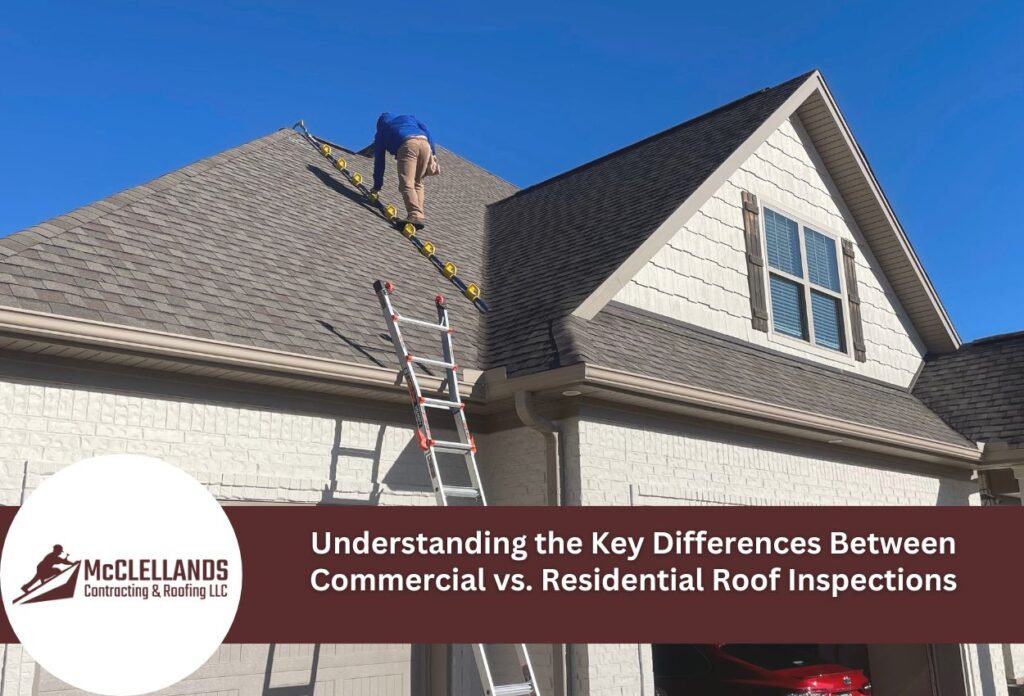
Property owners often assume all roof inspections follow the same basic process, but commercial and residential roof inspections involve distinctly different approaches tailored to each building type’s unique requirements. The roof inspection differences between these property categories stem from variations in building size, structural complexity, roofing materials, and usage patterns that need specialized expertise and evaluation methods.
Residential properties typically feature simpler roofing systems with common materials like asphalt shingles, while commercial buildings often incorporate complex flat roof systems, multiple HVAC units, and specialized drainage configurations. The commercial roof inspection process requires inspectors to evaluate large-scale structural elements, mechanical equipment, and compliance with commercial building codes that differ significantly from residential standards.
The residential roof inspection process focuses on different priorities, examining issues like damage from ice dams, gutter systems, and attic ventilation that rarely apply to commercial structures. Commercial professional roof evaluation methods vary, with commercial inspections needing knowledge of membrane systems, roof coatings, and industrial-grade materials.
Understanding these types of building roof assessments helps property owners select appropriate inspection services and anticipate the scope of evaluation their specific building requires. Each inspection type addresses distinct structural concerns and maintenance needs that directly impact property value and safety requirements.
Impact of Building Structure and Design on Inspection Methods
The structural differences between commercial and residential buildings fundamentally shape how roof inspections are conducted. Flat commercial roofs with membrane systems like EPDM, TPO, or modified bitumen require specialized evaluation techniques that focus on seam integrity, pooling water, and membrane adhesion. These commercial roof inspection methods involve testing for punctures, measuring membrane thickness, and assessing drainage systems that simply don’t exist on sloped residential structures.
The residential roof inspection process is generally for sloped surfaces where gravity naturally sheds water. Inspectors examine shingle granule loss, flashing around vents and pipes, and ventilation systems designed for attic spaces. The accessibility and inspection approach differs dramatically from commercial flat surfaces that may require specialized equipment to safely navigate large expanses.
Building size influences the tools and time needed for thorough roof assessments. Large commercial structures often require drone technology, infrared thermography, and core sampling to evaluate areas that would be impossible to inspect manually. Professional roof evaluation methods for smaller residential properties typically rely on visual inspection, basic moisture detection, and ladder access to examine problem areas.
Types of building roof assessments also vary based on structural accessibility factors. Commercial buildings may have rooftop equipment that creates obstacles, while residential structures present challenges like steep pitches and limited access points that require different safety protocols and inspection strategies.
Common Problems Found During Each Type of Inspection
Commercial and residential properties have distinctly different roofing challenges that professionals must address during inspections. Commercial buildings typically suffer from membrane-related issues, including punctures from foot traffic, equipment installation damage, and seam separation caused by thermal expansion. Commercial roof inspections also often identify ponding water problems due to inadequate drainage slopes, clogged drains, and HVAC equipment that creates water flow obstructions across flat surfaces.
HVAC equipment concerns dominate commercial roof assessments, as multiple units create fastener points where water infiltration commonly occurs. Inspectors regularly discover loose flashing around equipment supports, deteriorated seals, and structural damage from vibrating machinery. These building roof assessments also reveal issues with parapet walls, expansion joints, and membrane shrinkage that rarely affect residential structures.
Residential roof inspection findings center on different problem patterns that reflect sloped roofing systems and weather exposure. Asphalt shingle deterioration, missing or damaged flashing around chimneys and vents, and ice dam damage are some of the most frequent discoveries. Gutter system failures, inadequate attic ventilation, and soffit damage create moisture problems that can compromise structural integrity over time.
The roof inspection differences between property types extend to seasonal damage patterns, where residential structures face issues like wind-blown shingle loss and tree damage, while commercial buildings deal with membrane cracking from temperature fluctuations and equipment-related wear that require specialized repair approaches and preventive maintenance strategies.
Professional Expertise and Equipment Requirements
The expertise required for commercial and residential roof inspections differs significantly in terms of training, certifications, and specialized equipment needed to properly assess each building type. Commercial roof inspectors must obtain extensive training in membrane systems, including EPDM, TPO, PVC, and modified bitumen applications that require specific knowledge of seam welding, adhesion testing, and thermal imaging techniques. Commercial roofing professionals should have certifications from roofing material manufacturers and specialized equipment training that residential inspectors typically don’t require.
Additionally, the commercial roof inspection process requires advanced tools, including infrared cameras for moisture detection, core sampling equipment for membrane analysis, and electronic leak detection systems that can identify water infiltration within large membrane systems. Inspectors must understand complex HVAC integration, structural load calculations, and commercial building codes that govern flat roof installations and drainage requirements.
The residential roof inspection process relies on different qualifications focused on steep-slope roofing materials like asphalt shingles, tile, and metal roofing systems. Standard equipment includes moisture meters, basic cameras, and safety equipment designed for pitched roof navigation. Roof assessments for homes require knowledge of attic ventilation systems and residential building codes that differ substantially from commercial requirements.
The differences in professional qualifications reflect the challenges each property type presents, ensuring inspectors possess appropriate expertise to identify problems specific to their specialized building category and roofing system requirements.
Inspection Frequency and Maintenance Scheduling
In general, commercial properties need more frequent professional inspections compared to residential buildings due to heavy usage patterns and critical business continuity requirements. The commercial roof inspection process typically occurs biannually or quarterly, as these buildings face constant foot traffic from maintenance personnel, delivery operations, and HVAC technicians that can cause membrane damage and equipment displacement. Businesses cannot afford unexpected roof failures that could disrupt daily operations or damage expensive equipment housed within the facility.
Weather exposure intensifies inspection frequency needs for commercial structures, where large flat surfaces collect debris and standing water that accelerates deterioration. Professional roof evaluation methods for commercial buildings often include emergency inspection protocols following severe weather events, as minor issues can quickly escalate across expansive roof areas.
Residential roof inspections follow less aggressive scheduling, with most properties requiring professional assessment every two to three years under normal conditions. Roof age significantly influences inspection frequency, as structures approaching 15 and 20 years benefit from annual evaluations to identify aging-related deterioration before expensive repairs become necessary. Homeowner maintenance practices also impact scheduling, with well-maintained properties potentially extending inspection intervals.
Similar to commercial buildings, roof assessments for residential properties increase in frequency based on environmental factors like tree coverage, storm exposure, and regional climate conditions. Properties in areas with severe weather patterns may require annual inspections, while homes in moderate climates with proactive maintenance can maintain longer intervals between professional evaluations.
Documentation and Reporting Differences
The documentation requirements for commercial and residential roof inspections vary based on the distinct needs of property managers, insurance providers, and regulatory compliance standards. Commercial roof inspection reports must include comprehensive technical specifications, material certifications, and detailed photos that satisfy complex insurance requirements and regulatory documentation standards. These reports often include CAD drawings, moisture mapping data, and equipment condition assessments that support warranty claims and capital planning decisions.
Plus, commercial inspection documentation incorporates detailed findings about membrane thickness measurements, seam integrity testing results, and structural load capacity evaluations that property managers require for budgeting and maintenance scheduling. Professional roof evaluation methods for commercial properties generate reports with specific repair timelines, cost projections, and priority rankings that help facility managers plan future maintenance.
Residential roof inspection documentation focuses on clear, accessible language that homeowners can easily understand without technical roofing expertise. These reports typically also include photos of problem areas with straightforward explanations of repair urgency and maintenance recommendations. Home roof inspections produce documentation that prioritizes safety concerns and immediate repair needs over complex technical specifications.
The differences in reporting extend to liability documentation, where commercial reports must address compliance with building codes and safety regulations, while residential documentation emphasizes homeowner education and practical repair guidance that supports informed decision-making about property investments.
Making the Right Choice for Your Property Inspection Needs
When selecting inspection services, property owners should consider their specific building type and its unique structural characteristics. Properties with flat membrane systems, multiple HVAC units, and heavy foot traffic need inspectors certified in commercial roof inspection techniques and equipped with specialized tools like thermal imaging cameras and electronic leak detection equipment. These complex systems require expertise in membrane welding evaluation, drainage assessment, and equipment integration that general residential inspectors may lack.
Residential properties benefit from professionals experienced in steep-slope roofing materials, attic ventilation systems, and common issues like shingle deterioration and flashing failures. The residential roof inspection process requires different safety protocols and evaluation techniques suited for pitched surfaces and traditional roofing materials. Property owners should verify that their chosen inspector possesses relevant certifications for their specific building type and roofing system.
The success of professional roof evaluations depends on matching inspector expertise to building requirements. Commercial inspections need knowledge of building codes, warranty requirements, and maintenance scheduling that differ substantially from residential needs. Types of building roof assessments vary in complexity, documentation requirements, and repair urgency protocols that experienced inspectors understand and address appropriately.
Working with qualified local roofing contractors ensures inspectors understand regional weather patterns, local building codes, and common area-specific roofing challenges. These professionals recognize roof inspection differences between property types, apply appropriate evaluation techniques, provide accurate assessments, and reliable maintenance recommendations for your specific building requirements.
Choose McClelland’s Contracting and Roofing, LLC for Expert Commercial and Residential Roof Inspections in Pittsburgh
Whether you’re overseeing a sprawling commercial complex or maintaining your family home, understanding the specific needs of your property’s roof is crucial. At McClelland’s Contracting and Roofing, LLC, we specialize in tailoring our inspection processes to address the unique challenges of both commercial and residential buildings. Our trained professionals use the latest techniques and equipment to diagnose and report on your roof’s condition, ensuring that you have all the information needed to plan future services.
If you’re unsure about the frequency of inspections needed or the specific issues your roof may face, don’t hesitate to contact us. Let us help you protect your investment with a thorough and professional roof inspection. Call (412) 353-5660 today!