

 Residential
 Commercial
 Interior
 Exteriors
 Service Areas
 Contact Us
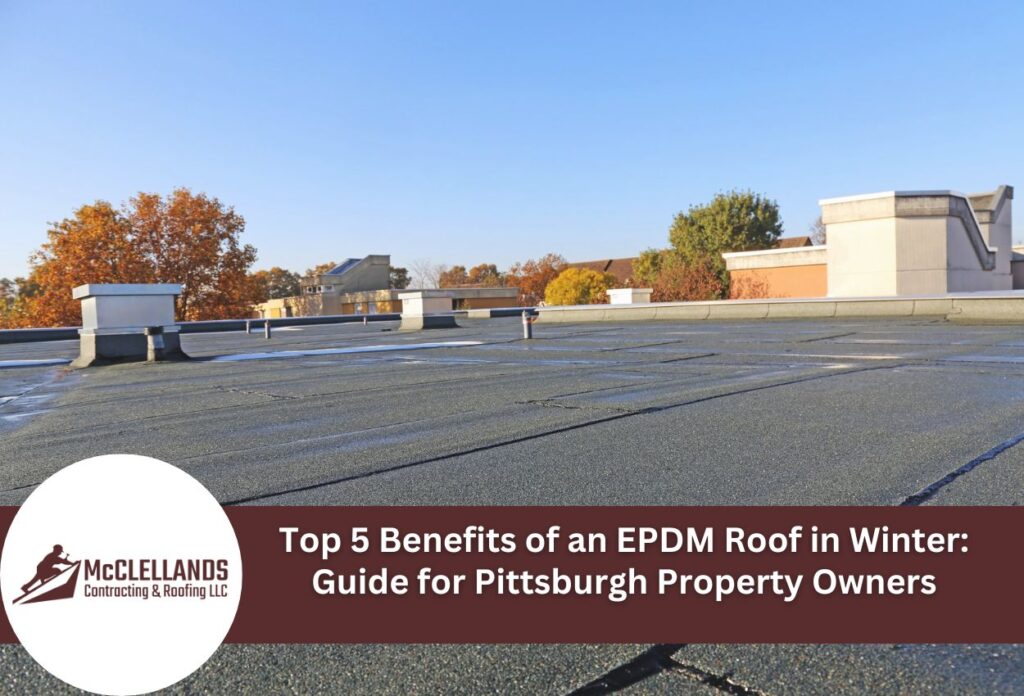
Winter weather puts enormous stress on roofing systems, especially in regions with heavy snowfall, ice, and dramatic temperature swings. EPDM rubber roofing systems have earned a reputation as one of the most reliable materials for handling these harsh conditions. Unlike traditional roofing materials that can crack, split, or deteriorate under winter’s assault, EPDM membranes have unique properties that make them exceptionally well-suited for cold weather.
The benefits of an EPDM roof in winter include more than basic weather protection. This synthetic rubber material maintains its flexibility even in sub-zero temperatures, preventing the brittleness that affects other roofing systems. EPDM rubber roofs consistently outshine alternatives because the material expands and contracts smoothly with temperature changes, reducing the risk of membrane failure or leaks.
The seamless membrane also creates an impermeable barrier against moisture, while its dark surface naturally absorbs solar heat to help melt snow and ice. The durability of EPDM membranes in cold weather has been proven over decades, making it a smart investment for long-term winter weather resilience.
#1. Cold Weather Flexibility Keeps Your Roof Intact
Temperature extremes pose serious threats to roofing materials, but EPDM’s durability in cold weather sets it apart from conventional options. While asphalt shingles and other materials become rigid and prone to cracking when temperatures drop, EPDM rubber maintains its natural bendability even in freezing conditions. This flexibility allows the membrane to move with the building’s natural thermal expansion and contraction without compromising its integrity.
The science behind EPDM’s cold-weather performance lies in its molecular structure. Unlike materials that harden when exposed to low temperatures, EPDM retains its elasticity down to minus 40 degrees Fahrenheit. This prevents the brittle fractures that commonly plague other roofing systems during winter. When snow accumulates or ice dams form, the rubber roof remains reliable because the membrane can flex under pressure rather than crack.
Additionally, temperature swings in late fall and early spring create significant stress on building materials through repeated expansion and contraction. EPDM rubber roofs excel in these conditions because the material accommodates these movements seamlessly. Traditional roofing materials often develop stress fractures at joints and seams during these thermal cycles, potentially leading to water damage. The inherent flexibility of EPDM eliminates this vulnerability, providing consistent flat roof winter weather protection throughout the coldest months.
#2. Superior Snow Handling Without Structural Stress
Snow accumulation adds substantial weight that can overwhelm roofing systems, but EPDM membranes excel at distributing this burden evenly across the entire roof structure. The seamless installation eliminates weak points where concentrated weight might cause failure, allowing the rubber roof to handle significant accumulations without compromising structural integrity. This uniform weight distribution prevents localized stress concentrations that often lead to sagging or membrane punctures in other roofing systems.
Along with its ability to sustain added weight, the smooth surface of EPDM has natural snow-shedding properties that enhance flat roof winter weather protection. Unlike textured materials that trap snow and ice, the sleek rubber membrane allows precipitation to slide off more easily as temperatures rise. This self-clearing action reduces the likelihood of dangerous ice dams along roof edges, which can cause water backup and interior damage.
EPDM rubber roofs also benefit from the material’s ability to absorb and retain solar heat, even on cloudy days. The dark membrane surface naturally warms when exposed to any available sunlight, which helps eliminate snow buildup before it becomes problematic. This works continuously throughout the winter months, reducing the need for manual snow removal and minimizing structural load concerns. The combination of seamless design and natural snow shedding makes EPDM a smart choice for building owners seeking reliable winter protection.
#3. Exceptional Insulation Properties Lower Your Heating Bills
Energy efficiency often becomes a critical concern during the winter months, and EPDM roofing systems deliver significant advantages in reducing heat loss from buildings. The dense rubber material creates an effective thermal barrier that keeps warm air inside your building while preventing cold outdoor temperatures from entering the roof assembly. This superior insulation often translates to lower energy usage and heating costs throughout the winter.
The thick EPDM membrane acts as an additional layer of thermal protection beyond standard insulation materials. An EPDM roof’s energy efficiency in winter stems from the rubber’s natural resistance to thermal transfer, which helps keep indoor temperatures consistent. Unlike metal roofs that conduct heat readily or asphalt materials that can develop thermal bridges, the rubber membrane provides steady insulation performance that supports overall building energy conservation.
Proper EPDM installation also plays a crucial role in eliminating heat loss through gaps and seams common with other roofing types. The fully adhered membrane system creates a continuous thermal envelope without the joints and overlaps that allow warm air to escape. This seamless application ensures optimal energy retention, preventing the heat loss that occurs with segmented roofing materials. The result is improved comfort levels inside the building and measurable reductions in heating system usage during cold weather.
#4. Ice and Freeze Resistance Prevents Expensive Repairs
Water infiltration during winter creates one of the most destructive forces roofing systems can face. When moisture seeps into small crevices, joints, or membrane defects and freezes, the expansion can cause catastrophic damage to conventional roofing materials. EPDM membranes provide exceptional protection against this freeze-thaw destruction through their molecular composition and installation methods.
The chemical structure of EPDM rubber creates inherent resistance to cracks when exposed to freezing water. While traditional materials like asphalt or modified bitumen can split apart when trapped water expands into ice, EPDM’s flexible polymer chains accommodate these forces without permanent damage. This resistance to freeze-induced cracking maintains the membrane’s integrity throughout multiple winter seasons, preventing the expensive repairs commonly required with other roofing systems.
The repeated freeze-thaw cycles that occur during the winter months gradually weaken most roofing materials through constant expansion and contraction. However, EPDM remains stable because the material’s elastomeric properties allow it to return to its original shape after each thermal cycle. The synthetic rubber composition resists the molecular degradation that causes conventional materials to become increasingly brittle with age and weather exposure.
The benefits of an EPDM roof in winter include superior joint integrity that prevents water infiltration at vulnerable connection points. The heat-welded seams and fully adhered installation eliminate the mechanical fasteners and overlapped joints where ice formation typically begins, ensuring reliable protection year after year.
#5. Low Maintenance Requirements During Winter Months
Winter roof maintenance typically requires extensive time and resources with traditional roofing materials, but EPDM systems offer a refreshing alternative. While asphalt shingles need to be frequently inspected for loose or damaged pieces and metal roofs need regular checks for thermal expansion issues, EPDM eliminates most of these concerns. The seamless rubber surface resists the common winter problems that plague other roofing types, allowing property owners to focus on other seasonal priorities.
Traditional roofing materials often suffer damage during winter cleaning and ice removal activities. Sharp tools used to break up ice dams can puncture or scratch conventional surfaces, leading to expensive spring repairs. EPDM’s tough rubber construction withstands contact with ice removal equipment without sustaining permanent damage. The durable surface handles harsh winter cleaning that would compromise shingle granules or metal roof coatings.
The benefits of an EPDM roof in winter extend to reduced need for inspections compared to other systems. While shingle roofs need checking after every major storm for wind damage or ice-related problems, EPDM rubber roofs generally do not need constant monitoring. The material’s resistance to thermal shock and ice formation means fewer emergency repairs during the coldest months.
The winter weather protection provided by EPDM translates directly into maintenance cost savings. Property owners avoid the repeated repair cycles common with materials that crack from temperature changes or suffer damage from snow removal activities. This reliability makes EPDM an ideal choice for those seeking dependable winter performance without ongoing maintenance headaches.
Final Thoughts: Why EPDM is a Smart Investment for Winter Weather Protection
Investing in a quality roof means choosing materials that deliver reliable protection year after year, especially when facing repeated winter weather challenges. EPDM membrane systems excel at maintaining their structural integrity and protective capabilities through decades of exposure to harsh seasonal conditions. While other roofing materials gradually deteriorate under constant freeze-thaw cycles, snow, and temperature fluctuations, EPDM rubber roofs remain strong throughout their extended service life.
The molecular stability of EPDM prevents the gradual breakdown that affects conventional roofing materials over time. Asphalt shingles become brittle and crack after multiple winter seasons, while metal roofs develop thermal stress fractures from repeated expansion and contraction. An EPDM membrane’s durability in cold weather stems from its synthetic rubber composition, which resists aging and maintains flexibility even after years of temperature extremes. This long-term stability ensures that the benefits of an EPDM roof in winter continue without diminishing performance.
Emergency roof repairs during winter storms can create significant safety hazards and financial burdens for property owners. Installing an EPDM roof eliminates most of these urgent situations because the membrane resists the sudden failures common with aging materials. The rubber roof’s snow capacity remains reliable throughout the system’s lifespan, preventing dangerous collapses or leaks during critical weather events. This dependable protection provides peace of mind and protects against expensive emergency service calls when weather conditions make repairs most difficult and expensive.
Discover the Durability of EPDM This Winter with McClellands Contracting and Roofing, LLC
When it comes to selecting a roofing material capable of standing up to Pittsburgh’s harsh winters, EPDM rubber roofing systems emerge as a superior choice. Known for its exceptional cold weather flexibility, EPDM doesn’t become brittle or crack in freezing temperatures, unlike traditional materials. This flexibility prevents extensive damage from temperature swings and thermal expansion, which is common in winter.
Additionally, the seamless membrane design of EPDM roofs handles heavy snow with ease, reducing stress on your property. Its smooth surface prevents the buildup of snow and ice, averting potential ice dams and ensuring better protection against leaks. With superior insulation properties, an EPDM roof also helps in significantly lowering your heating bills by keeping warm air inside where it belongs.
Opting for an EPDM roofing system also means enjoying minimal maintenance during the winter and avoiding frequent repairs often necessary with other roofing types. Its resistance to ice and freeze damage further makes EPDM an ideal choice for long-term performance, ensuring that your roof remains effective and intact through countless winter seasons.
For a roofing solution that offers durability, energy efficiency, and peace of mind during the winter, consider EPDM from McClellands Contracting and Roofing, LLC. Don’t wait for the snow to fall to start thinking about your roof. Call us today at (412) 353-5660 to ensure your property is prepared for winter.