

 Residential
 Commercial
 Interior
 Exteriors
 Service Areas
 Contact Us
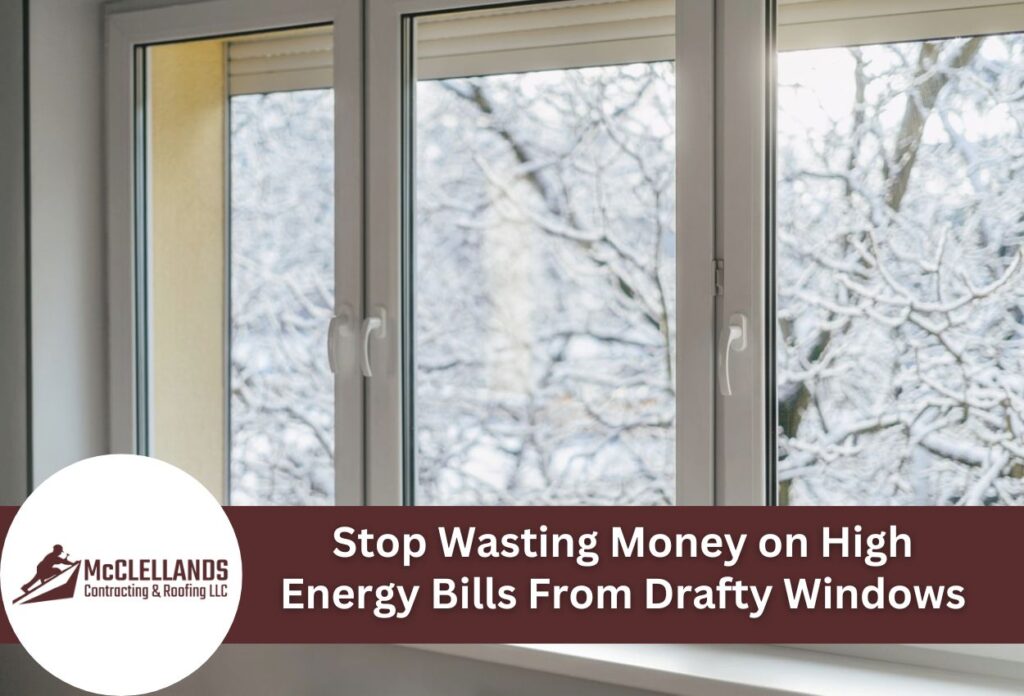

Drafty windows silently drain money from household budgets throughout the year, forcing heating and cooling systems to work overtime just to maintain comfortable indoor temperatures. These air leaks allow conditioned air to escape while letting outdoor air infiltrate homes, creating an expensive cycle that impacts energy bills significantly.
Window drafts develop when seals deteriorate, frames shift, or weatherstripping wears down over time. Cold air leaks into living spaces around window frames during the winter, while cooled air escapes during the summer, making HVAC systems struggle to regulate indoor temperatures effectively. This constant battle between indoor and outdoor air creates uncomfortable temperature variations and drives up energy consumption.
Learning how to prevent drafty windows starts with recognizing the warning signs. Feeling air movement near windows, noticing temperature differences close to glass surfaces, or observing condensation buildup often indicates compromised window seals. These symptoms signal that immediate action can restore comfort and reduce energy waste.
Window weatherstripping, gap sealing techniques, and proper window insulation techniques offer practical solutions for window drafts. Simple maintenance steps and strategic improvements can transform energy-wasting windows into efficient barriers against outdoor elements. Understanding these solutions for window drafts helps homeowners take control of their energy costs while improving year-round comfort throughout their living spaces.
Identify Where Cold Air is Sneaking Into Your Home
Finding air leaks around windows requires simple detection methods that reveal exactly where cold drafts enter living spaces. The candle test provides an effective way to locate problem areas by holding a lit candle near window edges on windy days. When flames flicker or bend toward the window, air movement indicates gaps that need attention. Tissue paper works similarly, moving noticeably when held near leaky areas.
Window frames represent the most common source of drafts, particularly where the frame meets the wall or where moving parts connect. Sashes often develop gaps as wood expands and contracts with temperature changes, while glass edges may show signs of failed glazing compound. Inspecting each component systematically helps identify all potential leak sources.
Start the inspection process at the bottom of each window and work upward, checking corners where multiple materials meet. Pay special attention to areas where different building materials connect, as these joints frequently separate over time. Weather conditions affect detection accuracy, so conduct tests during windy conditions when air movement becomes more obvious.
Stop cold air leaks by documenting problem locations during the inspection process. Window insulation techniques work best when applied to confirmed leak sources rather than guessing where drafts occur. This methodical approach to sealing window gaps ensures that window weatherstripping and other solutions for window drafts target actual problem areas effectively.
Weatherstripping Solutions That Actually Work
Selecting effective weatherstripping materials depends on window types and the size of gaps requiring attention. Foam tape weatherstripping works well for small, consistent gaps around window frames and provides an affordable solution for basic sealing needs.
Rubber gasket weatherstripping offers superior durability and creates excellent seals for larger gaps, particularly around casement windows and sliding units. Bronze weatherstripping provides long-lasting performance for windows that operate frequently, though installation requires more precision than foam alternatives. Window weatherstripping selection should match gap measurements and window operation patterns for optimal results.
Installation begins with a thorough cleaning of all surfaces where weatherstripping will attach. Remove old materials completely and ensure surfaces remain dry before applying new strips. Measure each section carefully and cut the weatherstripping slightly longer than needed to prevent gaps at corners where pieces meet.
Apply adhesive-backed materials by pressing firmly along the entire length, avoiding stretching that can cause premature failure. For mechanical attachment types, space fasteners evenly to maintain consistent compression against closing surfaces. Test the operation of the window after its installation to verify it has smooth movement without binding or interference.
These window insulation techniques effectively seal window gaps when properly matched to specific applications. Quality weatherstripping stops cold air leaks for multiple seasons, making it a practical investment in solutions for window drafts that deliver immediate comfort improvements.
Sealing Window Gaps and Cracks Permanently
Sealing window gaps requires selecting the right materials based on gap size and location around frames and trim. Caulk works best for stationary gaps where no movement occurs, while expandable foam addresses larger openings that standard caulk cannot fill effectively. Understanding when to use each material ensures professional-quality results that prevent drafty windows for years.
Preparation steps determine the success of any sealing project. Clean all surfaces thoroughly to remove dirt, old caulk, and loose paint that can prevent proper adhesion, and scrape away deteriorated materials with a putty knife and vacuum debris from cracks. Check that surfaces remain completely dry before beginning application, as moisture interferes with curing and bonding.
Apply caulk in smooth, continuous beads by cutting the tube tip at a 45-degree angle to match the width of the gap. Move the caulk gun steadily along the entire length while maintaining consistent pressure. Smooth the bead immediately with a wet finger or caulk tool to create a clean seal that adheres properly to both surfaces.
Expandable foam fills larger gaps around window frames where structural settling has created significant openings. Apply foam conservatively since it expands significantly while it’s curing. Fill gaps only halfway initially, allowing expansion to complete the seal naturally. Trim excess foam with a sharp knife once fully cured.
These window insulation techniques create lasting barriers that stop cold air leaks effectively. Applying these solutions for window drafts eliminates the ongoing maintenance required with temporary fixes while providing superior performance in sealing window gaps permanently.
Insulation Techniques for Maximum Draft Prevention
Advanced insulation methods provide additional protection against window drafts by creating multiple barriers between indoor and outdoor temperatures. These techniques work alongside weatherstripping and caulking to maximize energy efficiency and comfort levels throughout homes. Window insulation techniques range from temporary seasonal solutions to permanent improvements that complement existing draft prevention efforts.
Window film installation offers an economical temporary solution that adds an extra layer of insulation during the winter. Clear plastic sheeting creates a dead air space between the film and the glass surface, reducing heat transfer significantly. These materials apply easily with double-sided tape around window frames and shrink tight when heated with a hair dryer, creating an invisible barrier.
Insulated window treatments provide year-round draft protection while enhancing home aesthetics. Cellular shades trap air within their honeycomb structure, creating natural insulation that reduces heat loss during cold weather. Thermal curtains feature dense fabrics and insulating linings that block air movement while providing additional sound-dampening benefits.
Installation of cellular shades requires mounting brackets inside or outside window frames, depending on available space and desired appearance. Proper measurement ensures that the glass is completely covered in areas where heat transfer occurs most readily. Thermal curtains work best when mounted close to walls and extend beyond window frames to prevent air circulation behind fabric panels.
These comprehensive solutions for window drafts address multiple sources of energy loss simultaneously. Combining temporary window film with permanent insulated treatments maximizes effectiveness in stopping cold air leaks while maintaining flexibility for seasonal adjustments and changing needs throughout different weather conditions.
Quick Fixes for Immediate Relief
When permanent solutions must wait, emergency measures provide immediate relief from window drafts using readily available materials. Draft stoppers offer instant results by blocking air flow along window sills and frames. These temporary barriers work particularly well for sliding windows where gaps develop between moving parts and stationary frames.
Removable rope caulk provides flexible sealing for gaps that need seasonal attention. This putty-like material presses into cracks and removes cleanly without damaging surfaces or leaving residue. Apply rope caulk around window sashes and where frames meet walls to stop cold air leaks immediately. The material remains workable in cold temperatures, making winter applications practical and effective.
Heavy towels or blankets create temporary emergency barriers for severely drafty windows during extreme weather. Roll towels tightly and position them against window sills where cold air typically enters. While not visually pleasing, this method blocks significant air until proper window weatherstripping installation becomes possible.
Adjusting existing window hardware often improves seals without requiring new materials. Tighten loose window locks to draw sashes closer together, reducing gaps between moving parts. Check sash positions to ensure proper alignment with weatherstripping and frame seals. Many windows allow minor adjustments to hardware positions that restore original sealing effectiveness.
These emergency solutions for window drafts provide immediate improvements to your home’s overall comfort while planning permanent repairs. Quick fixes help seal window gaps temporarily, making living spaces more comfortable during harsh weather conditions. Combined with proper hardware adjustments, these window insulation techniques offer practical relief until the proper repairs can be made.
When to Call Professionals for Window Draft Problems
Recognizing when window draft issues exceed typical maintenance requirements helps homeowners avoid expensive mistakes and ensures proper solutions. Professional assessment becomes necessary when structural problems affect window frames or when damage extends beyond surface-level weatherstripping replacement. Severely warped frames, rotted sills, or windows that no longer close properly indicate problems requiring specialized expertise.
Structural settling often creates gaps too large for standard weatherstripping or caulk to address effectively. When windows show daylight around frames or exhibit significant movement during operation, professional evaluation determines whether repair or replacement provides the most cost-effective solution. These conditions typically indicate that simple window insulation techniques will not adequately stop cold air leaks or restore proper window function.
Major window replacement projects integrate well with comprehensive exterior envelope improvements, including roofing repairs and siding updates. Professional contractors coordinate multiple systems to ensure proper installation sequences and material compatibility. This approach addresses window drafts as part of broader energy efficiency improvements that enhance overall home performance and comfort levels.
Professional installation ensures proper integration between new windows and existing structural elements. Experienced contractors understand how roofing systems, exterior walls, and window installations work together to create effective barriers against air infiltration. Their expertise prevents common installation mistakes that can compromise even high-quality replacement windows.
When window weatherstripping replacement and gap sealing efforts fail to provide adequate results, professional consultation identifies underlying causes and comprehensive solutions for window drafts that deliver lasting performance and energy savings throughout the home.
Trust McClellands Contracting and Roofing, LLC for Expert Window Solutions
If you’re struggling with drafty windows and high energy bills, don’t let another day pass without seeking professional help. At McClellands Contracting and Roofing, LLC, we specialize in identifying and sealing window drafts that compromise your home’s comfort and cost you money. Our experienced team is ready to assess your windows and provide effective, long-lasting solutions. Whether it’s weatherstripping, caulking, or more comprehensive window replacements, we ensure your home remains cozy and energy-efficient throughout the year.
Don’t wait for the weather to change, take action now! Call us today at (412) 353-5660 to schedule a consultation and start saving on your energy bills. Let McClellands Contracting and Roofing, LLC help you stop cold air leaks and enhance your home’s energy efficiency with proven window insulation techniques.