


 Residential
 Commercial
 Interior
 Exteriors
 Service Areas
 Contact Us
Metal Roof Installation in Washington, PA
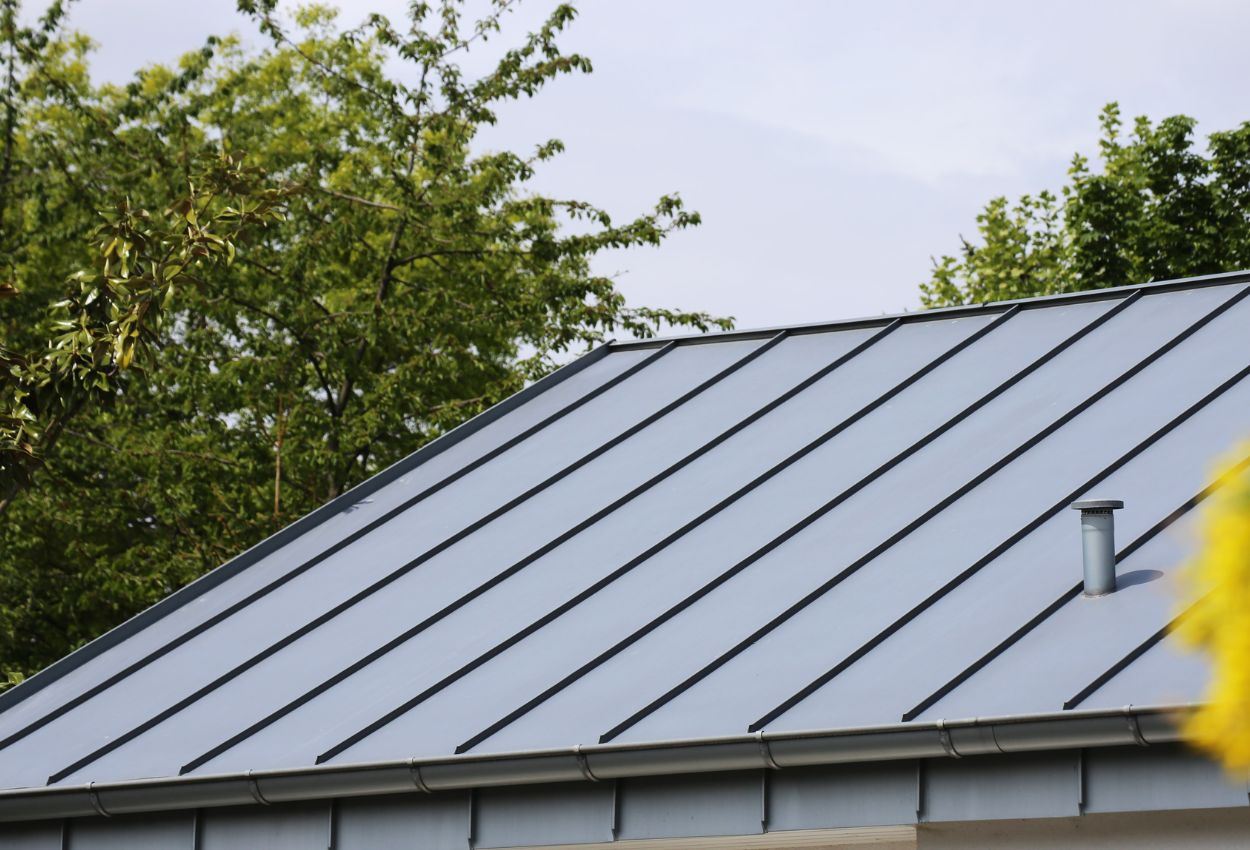
Washington, PA, sits in a region that puts roofing materials through a real workout every year. Winters bring heavy snow and extended freeze periods, while summer thunderstorms roll through with high winds and steady rainfall. The area sees around 40 inches of precipitation annually, spread across a wide range of temperatures that shift dramatically from season to season. Those repeated temperature changes cause traditional asphalt shingles to expand and contract over time, eventually cracking, curling, and letting water find its way in. For homeowners and property owners across Washington County, that cycle of wear adds up fast, and a roof that starts showing small problems rarely stays that way for long.
Metal roofing has grown in popularity throughout the region precisely because it handles these conditions so well. A properly installed metal roof sheds snow more efficiently, holds up against wind-driven rain, and reflects heat during summer afternoons, which helps keep attic temperatures lower in older homes that weren’t built with modern insulation in mind. McClellands Contracting and Roofing, LLC has worked with residential and commercial properties across Washington, PA, bringing the kind of local knowledge and skilled installation that makes a real difference in how well a metal roof performs over the long term. This is not a one-size-fits-all product. It’s a durable investment in your property that’s only as good as the crew putting it in place.
How Metal Roof Installation Works, in Washington, PA
The installation of a metal roof follows a specific order of operations, beginning with a structural check and concluding with a project verification.
- Step 1: Structural Integrity Check. Technicians check the roof deck and the underlying framing for rot or soft sections before the installation of new panels. This stage identifies any necessary repairs that must be addressed to ensure the building is ready for the metal material.
- Step 2: Determination of Installation Needs. The findings from the initial inspection are used to decide if a full installation is required or if targeted repairs are the appropriate solution. This step provides a clear plan based on the actual condition of the structure rather than assumptions.
- Step 3: Material Specification and Cost Documentation. Choices regarding metal gauges and panel profiles are made based on the pitch of the roof and the budget. Integration of solar hardware is discussed if it applies to the project. A detailed quote lists all materials and specifications to be used.
- Step 4: Component Assembly and Securement. The crew installs underlayment and secures the metal panels using specific fastening techniques. Precise alignment and hardware placement are used to create a barrier on the surface of the roof. The process focuses on preventing gaps or movement in the panels.
- Step 5: Procedural Verification and Walkthrough. A final inspection confirms that the work adheres to local building standards. A walkthrough is conducted to show the property owner the completed installation and explain the technical details. The project is finished once all specifications are verified.
Metal Roofing Options for Properties in Washington, PA
Choosing the right metal roofing style and gauge matters more than most people realize, especially given the mix of heavy snow, spring hail, and humid summers that Washington County properties deal with regularly. The right combination of panel type, thickness, and installation details affects how your roof holds up over decades, not just the first few winters.
| Feature | Standing Seam Panels | Ribbed Metal Panels |
|---|---|---|
| Wind Uplift Resistance | Excellent: concealed fasteners eliminate exposed points where wind can get underneath | Good: exposed fasteners require high-quality rubber-gasketed screws to maintain a tight seal |
| Best Gauge for Hail | 24-gauge recommended for spring storm impact resistance | 22-gauge preferred where hail frequency is higher |
| Thermal Expansion Management | The floating clip system allows panels to move without stress or buckling | Slotted fastener holes provide limited movement to reduce warping |
| Ventilation Integration | Ridge venting integrates cleanly with raised seam profiles to reduce moisture under panels | Compatible with standard ridge vents: requires careful sealing at ribs |
| Weight on Aging Trusses | Lightweight profile works well on older trusses, replacing heavy tile or wood shakes | Similar low weight: good option for truss systems not built for heavier materials |
Thermal break clips and flexible sealants are used on both panel types to handle the temperature changes Washington County sees year-round, keeping metal from stressing at seams or fastener points. Ventilation details are built into every installation to address moisture that builds up under panels during humid stretches following heavy rainfall.
A Smarter Long-Term Choice, in Washington, PA
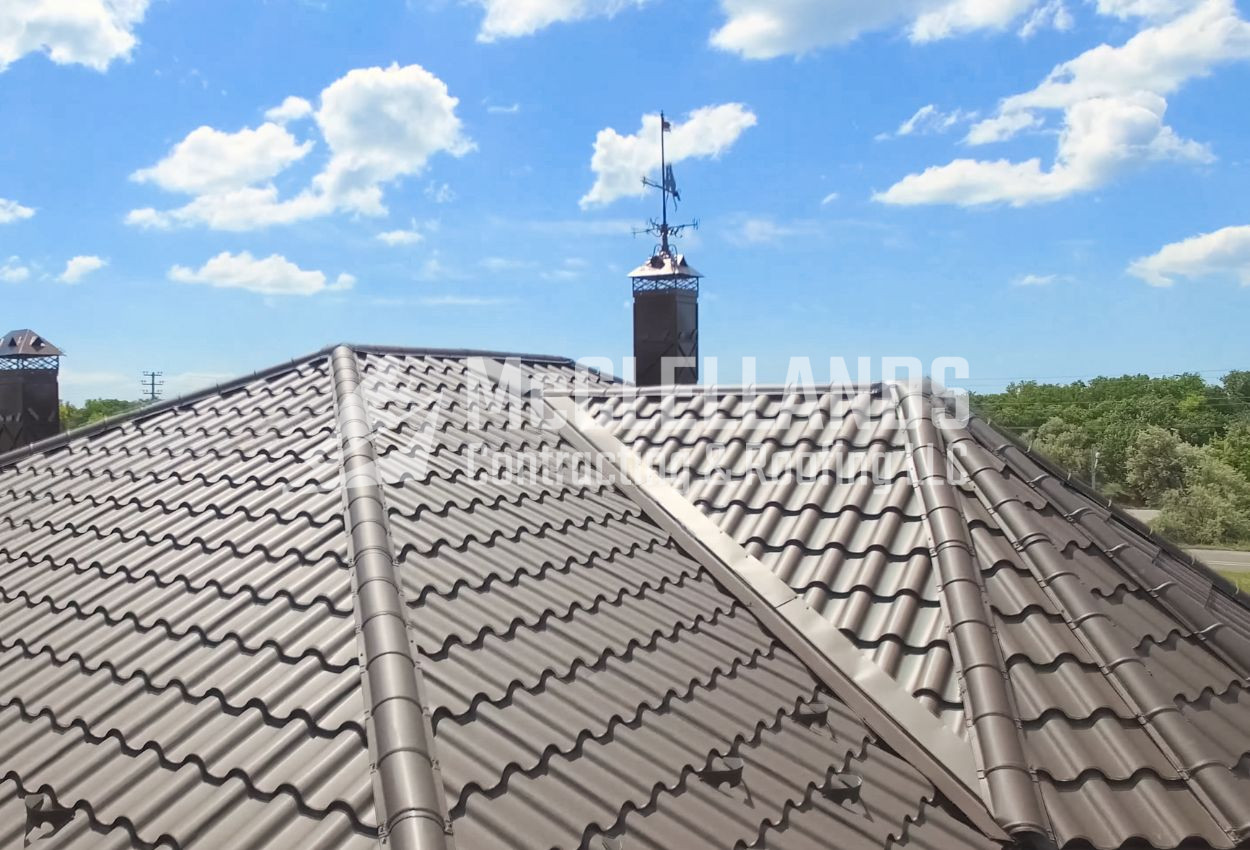
The weather patterns across Washington County are not getting easier on roofing materials, and a metal roof is one of the most practical ways to stop the cycle of recurring repairs and premature replacements. Beyond durability, a well-installed metal roof can improve your home’s energy efficiency and strengthen your property’s value in ways that add up over decades. It is the kind of upgrade that keeps paying for itself long after installation day.
McClellands Contracting and Roofing, LLC, approaches every project with honest evaluations and quality craftsmanship, and that does not change once the job is complete. If you are considering a metal roof for your Washington, PA, property, reaching out for a professional roof inspection is a straightforward way to get clear answers and understand your options. When you are ready to move forward, McClellands Contracting and Roofing, LLC is ready to help.
Frequently Asked Questions
Got questions about your roof? We’ve got answers. From maintenance tips to insurance claims and repair timelines, our FAQ section covers the most common concerns homeowners have. Get informed and make confident decisions about protecting your home.
Does the age or style of my home affect which metal roofing system works best?
Yes, and it is something worth thinking through before you commit to a panel style. Older homes in Washington County were often built with truss systems and roof decking that were never intended to carry heavier roofing materials, so the lightweight nature of metal panels is a real advantage. The roof pitch, existing ventilation setup, and whether you have a hip, gable, or more complex roofline all factor into which panel system installs cleanly and performs the way it should over time.
What happens to metal roofing when ice dams form during a Washington, PA winter?
Metal roofing actually handles ice dam situations better than most people expect because the slick surface sheds snow faster than asphalt, which reduces the buildup that leads to ice dam formation in the first place. That said, proper ventilation and underlayment installed during the open roof stage are what really protect the deck if ice does back up along the eaves. A roof that looks fine from the outside can still develop problems underneath if those details were skipped during a previous installation, which is something we always check during our inspection.
Are there specific neighborhoods or property types in Washington, PA, where metal roofing tends to perform differently?
Properties on elevated or exposed lots around Washington County tend to see higher wind speeds than homes tucked into lower terrain, and that difference matters when choosing between concealed and exposed fastener systems. Older in-town properties with steeper pitches and more complex rooflines can also require more detailed flashing work around chimneys, dormers, and valleys to keep everything watertight. Knowing the quirks of your specific property is part of what separates a quality installation from one that creates headaches a few years down the road.
