Western PA's #1 For Roofing & Interiors
Western PA's #1 For Roofing & Interiors
Western PA's #1 For Roofing & Interiors

South Fayette Township gets a full dose of southwestern Pennsylvania weather, and your roof takes the brunt of it year after year. The area sees around 50 inches of precipitation annually, spread across more than 150 days, and winters bring the kind of snow and ice buildup that puts real stress on aging roofing systems. Homes built in the 1980s and 1990s, which make up a large portion of the township's residential neighborhoods, are now hitting the point where original asphalt shingles are cracking, curling, and losing their ability to shed water reliably. Add in the rolling hills and open ridgelines that push wind speeds higher in certain parts of the township, and you have conditions that accelerate wear faster than many homeowners expect.
Metal roofing addresses those challenges directly. It handles heavy snow without absorbing moisture, resists wind uplift better than most traditional materials, and holds up through the repeated temperature changes that come with Allegheny County winters and humid summers. The reflective surface also reduces heat absorption on hot afternoons, which takes some pressure off your cooling system. McClellands Contracting and Roofing, LLC works specifically in this area and understands how local terrain and weather patterns affect long-term roof performance. That knowledge shapes every installation decision, from material selection to how the system is fitted to your home.
Getting a new metal roof is a major investment, and understanding the process helps make the project easier to manage. Here is how the installation typically proceeds from start to finish.
Not all metal roofs look or perform the same way, and the right choice depends on your home's style, roof pitch, and how it sits on the lot. South Fayette Township properties vary from traditional two-stories on sloped terrain to ranch-style homes with shallower pitches, and each benefits from a different approach to metal panel selection.
| Metal Profile | Visual Style | Snow Shedding | Wind Resistance |
|---|---|---|---|
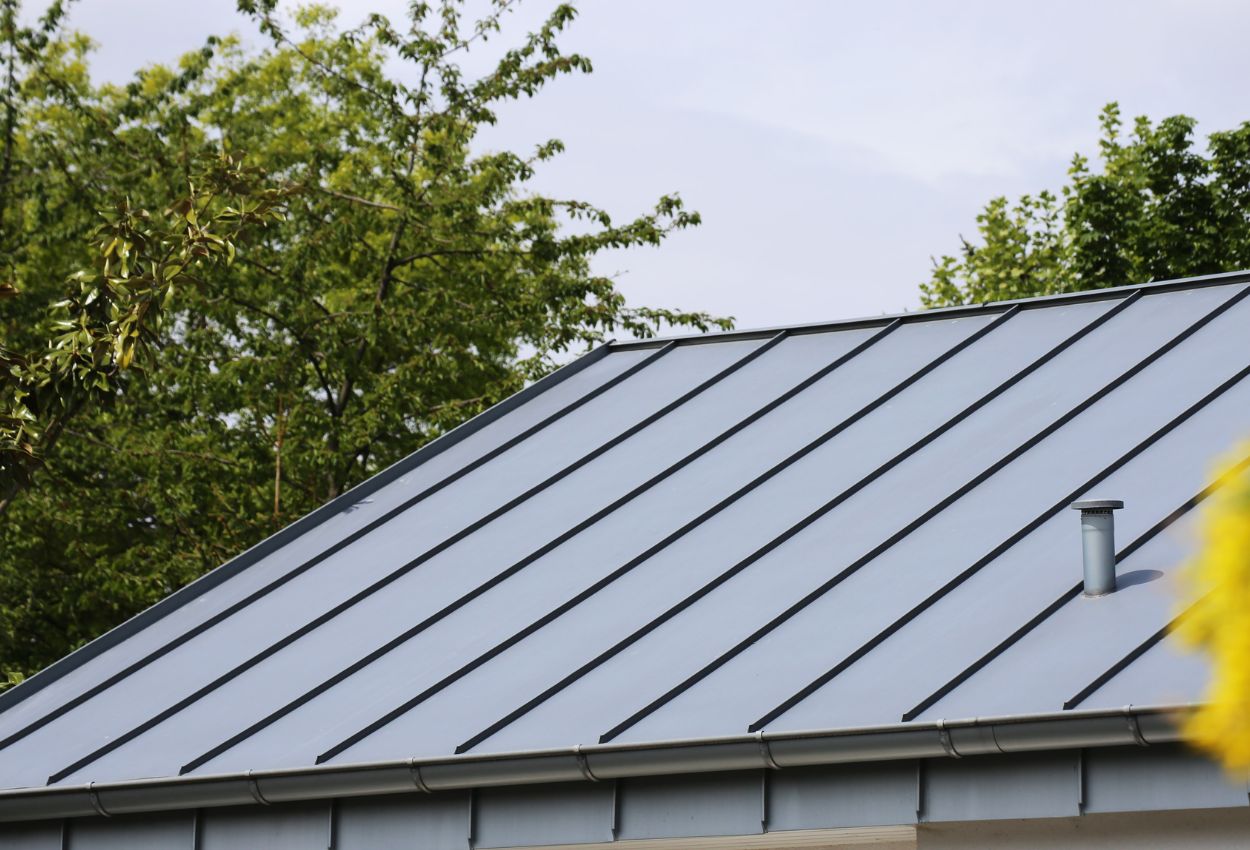
| Standing Seam | Clean, modern lines with raised seams | Excellent | Excellent |
| Interlocking Panels | Uniform, low-profile appearance | Good | Excellent |
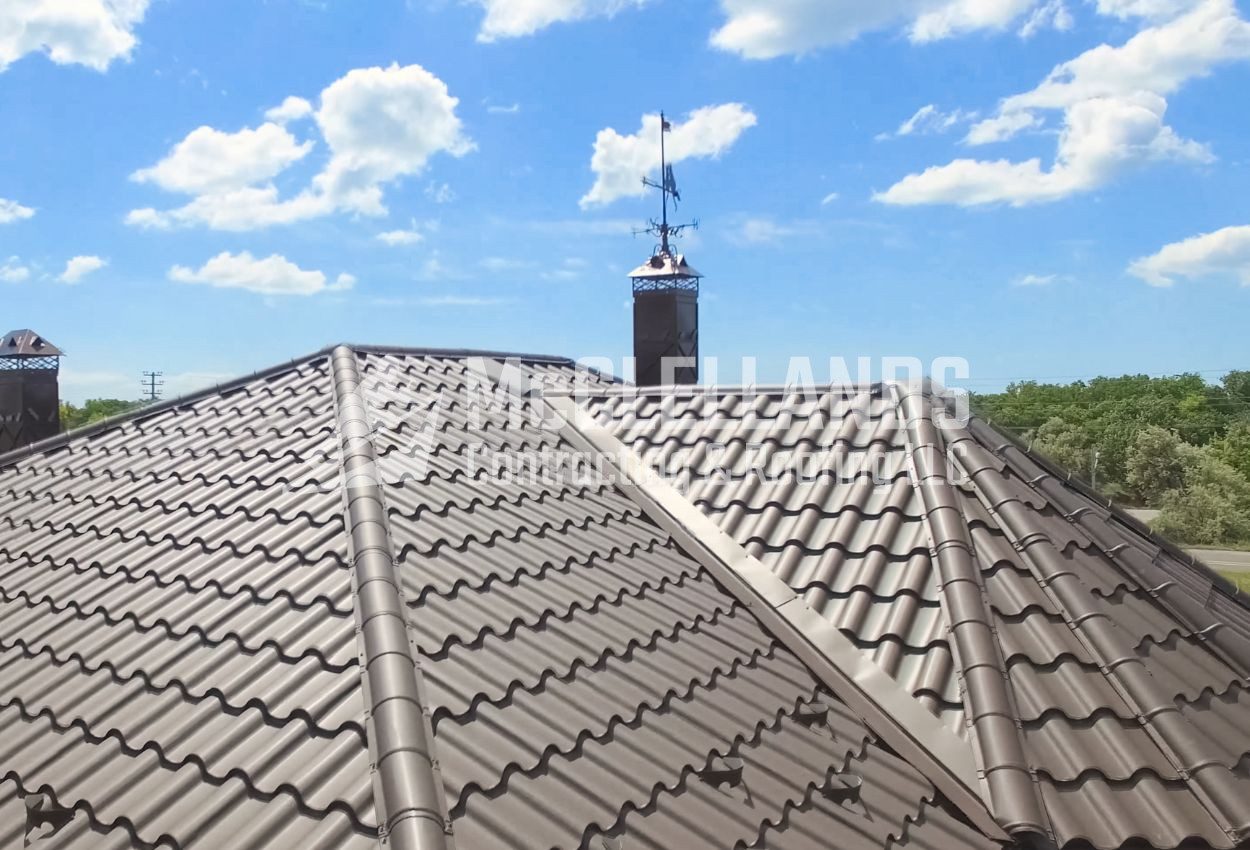
| Stamped Metal Shingles | Mimics traditional shingle or shake styles | Good | High |
Gauge selection matters as much as profile style. Heavier 26-gauge panels hold up better through the repeated temperature changes and precipitation this region sees, and paint warranties on quality metal panels protect the finish from fading over time. For sloped roofs common in the township, a proper pitch angle helps snow shed efficiently without dumping excessive runoff directly into your gutters. Pairing your metal roof with matching soffit and fascia boards pulls the exterior together and prevents the unfinished look that can stand out on established neighborhood properties.
A metal roof is one of the more practical upgrades you can make to a home in this area. The mix of wet winters, humid summers, and wind exposure that South Fayette Township sees year after year is exactly the kind of environment where a well-installed metal roof earns its value. You avoid the cycle of patching and replacing that comes with traditional shingle systems, and your home holds its value better over time. Scheduling your project in late spring or early fall gives materials the best conditions to set and seal properly before the harsher weather arrives.
McClellands Contracting and Roofing, LLC, helps South Fayette Township, PA, homeowners protect their properties with metal roof installations built to hold up for the long haul. When you're ready to take the next step, reach out to schedule an inspection and get a clear picture of what the right metal roofing system looks like for your home.
Got questions about your roof? We’ve got answers. From maintenance tips to insurance claims and repair timelines, our FAQ section covers the most common concerns homeowners have. Get informed and make confident decisions about protecting your home.
It can, yes. Properties on elevated lots or open ridgelines in the township tend to see higher wind exposure than homes tucked into valleys or wooded areas. That affects fastener placement, panel overlap, and how the edges and eaves are secured to prevent uplift. A crew familiar with the local landscape will account for your specific lot conditions rather than applying a one-size-fits-all approach.
This is one of the most common concerns homeowners bring up, and the answer depends largely on what goes beneath the panels. When a metal roof is installed over proper solid roof decking and underlayment, the sound difference is minimal and often comparable to what you hear with asphalt shingles. Homes with attic space between the roof deck and living areas notice even less noise. The loud rain effect people associate with metal roofing typically comes from older agricultural buildings with no insulation or roof decking underneath.
Attic ventilation is the detail that gets missed most often. A metal roof installed over a poorly ventilated attic can trap heat and moisture, which shortens the life of the deck underneath and raises your cooling costs in summer. Before installation begins, it is worth confirming that your soffit and ridge ventilation are working the way they should. Addressing that before the roof goes on is far simpler and less expensive than trying to correct it afterward.


 Residential
 Commercial
 Interior
 Exteriors
 Service Areas
 Contact Us