


 Residential
 Commercial
 Interior
 Exteriors
 Service Areas
 Contact Us
Residential Roof Inspection in Cranberry Township, PA
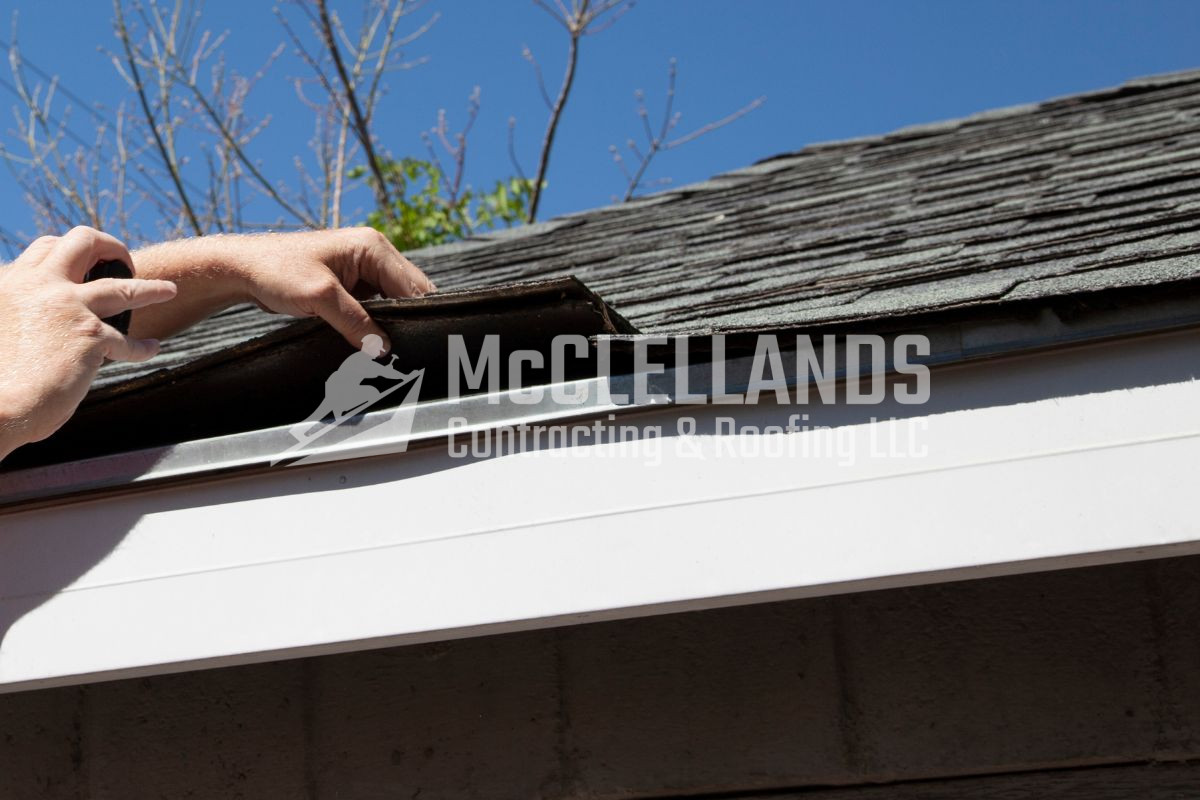
Cranberry Township’s weather puts constant pressure on your roof throughout the year. Winters bring heavy snow that sits on shingles for weeks, while summers deliver stretches of heat and humidity that gradually wear down protective granules. Over time, these conditions lead to curling shingles, exposed underlayment, and small openings where water can enter your home. What starts as minor granule loss or a lifted edge can quickly turn into leaks that damage insulation, ceilings, and framing if left unnoticed.
A professional residential roof inspection catches these early warning signs before they become expensive repairs. At McClellands Contracting and Roofing, LLC, we understand how local weather affects the homes in this area. Our inspections assess the condition of roofing materials, flashing integrity, and ventilation performance to identify vulnerable areas on your roof. We check for the small details like missing granules in valleys, gaps around penetrations, and soft spots that signal trapped moisture. By finding problems early, we help you protect your home from interior water damage and the mold growth that often follows.
Our Inspection Process in Cranberry Township
We know that uncertainty about your roof’s condition is stressful. Our straightforward inspection process gives you the clarity you need to make informed decisions about your home.
- Step 1: Inspection Scheduling
We set up a roof inspection at a time that works best for you. You don’t need to be present, but we’ll ask about any leaks or concerns ahead of time so we know where to focus during the visit. - Step 2: Full Roof Review
Our inspector checks the entire roofing system, including shingles, flashing, vents, valleys, and drainage paths. We look for damage caused by sun exposure, wind, and heavy rain, such as loose materials or areas that hold water. - Step 3: Photo Evidence and Notes
Any issues we find are photographed and written down in clear notes. This includes damaged shingles, worn sealant, or ventilation problems. These records help explain what’s happening on your roof. - Step 4: Straightforward Assessment
You receive an easy-to-understand summary of your roof’s condition. We explain which problems need attention now and which ones can wait. If no repairs are needed, we’ll say so honestly. - Step 5: Planning the Right Path Forward
We go over your options and timelines, whether that means a small repair, routine monitoring, or preparing for future replacement. You’ll know exactly what makes sense for your roof.
What Our Inspections Cover
A thorough residential roof inspection examines every part of your roofing system where weather damage and wear typically appear first. We don’t just walk across your shingles and call it done. Our team looks at the specific areas where local temperature changes, heavy snow, and summer storms cause the most damage over time. Understanding what we check helps you see the value in a detailed inspection and why catching small issues early prevents bigger problems later.
- Shingle Condition: We examine the surface for granule loss, curling edges, cracking, and missing pieces that expose underlayment to moisture.
- Valleys and Drainage: These channels direct water off your roof, so we check for debris buildup, worn sealant, and signs of standing water that can lead to leaks.
- Flashing Around Gaps: Chimneys, vents, skylights, and pipe boots are common leak points. We inspect the metal flashing and rubber seals for gaps, rust, or separation from the roof deck.
- Attic Ventilation: Proper airflow regulates temperature and moisture levels inside your attic. Poor ventilation causes premature aging of roofing materials and can lead to mold growth on decking.
- Structural Concerns: We look for sagging areas, soft spots, and visible damage to decking that indicate trapped moisture or inadequate support beneath the shingles.
We recommend scheduling an inspection after major storms or periods of heavy precipitation to catch damage while repairs remain manageable.
Protect Your Home in Cranberry Township, PA
Regular inspections help you stay ahead of the ongoing wear that local weather conditions create. Catching a small problem like a lifted shingle or a worn seal around a vent pipe now prevents the expensive interior repairs that result from hidden leaks. Your roof works hard to protect your home through every season, and a professional inspection gives you confidence that it will continue doing that job without surprises.
When you’re ready to make sure your roof is in good shape, McClellands Contracting and Roofing, LLC, is here to help. We provide honest evaluations and straightforward recommendations based on what your roof actually needs. Reach out to schedule your inspection and get the clarity you need about your home’s condition.
Frequently Asked Questions
Got questions about your roof? We’ve got answers. From maintenance tips to insurance claims and repair timelines, our FAQ section covers the most common concerns homeowners have. Get informed and make confident decisions about protecting your home.
How long does a residential roof inspection take?
Most inspections take between 45 minutes and 2 hours, depending on your roof’s size and complexity. We take the time needed to examine every critical area thoroughly rather than rushing through the process. If we find specific concerns that require closer examination, we’ll spend additional time documenting those issues so you have a complete picture of your roof’s condition.
What factors influence the cost of a roof inspection in Cranberry Township?
The size and pitch of your roof are the primary pricing factors, along with the number of features like chimneys, skylights, and dormers that require individual attention. We provide upfront pricing before scheduling, so you know exactly what to expect with no surprises.
How often should I have my roof inspected?
We recommend scheduling an inspection once or twice a year under normal conditions, or sooner if you notice visible damage after severe weather. If your roof is over 15 years old, annual inspections help catch age-related wear before it leads to leaks. Regular inspections are especially important in this area because the combination of winter snow and summer heat accelerates material breakdown over time.
