


 Residential
 Commercial
 Interior
 Exteriors
 Service Areas
 Contact Us
Residential Roof Inspection in Carnegie, PA
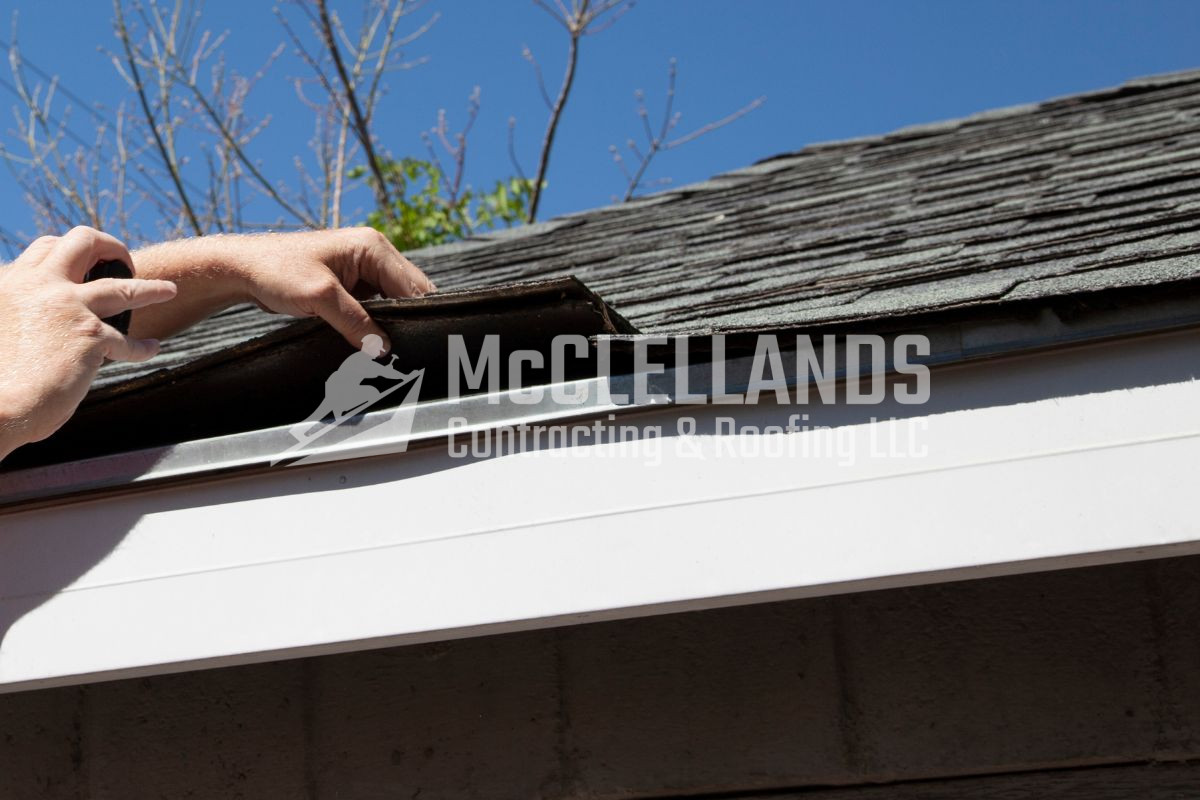
Carnegie’s weather patterns place constant demands on local roofing systems. With o annual precipitation, your roof faces regular exposure to rain and moisture. Summer temperatures climb into the upper 80s before winter lows drop into the 20s, creating ongoing temperature changes that stress roofing materials. Heavy snow during the winter adds weight and pressure to your roof structure. These conditions affect both the historic homes near Forsythe Road and the modern developments throughout Carnegie’s residential neighborhoods. Without regular inspection, small problems like cracked shingles or soft spots can go unnoticed until they lead to expensive interior damage, compromised insulation, and leaks that threaten your family’s comfort.
Professional residential roof inspection gives you early detection of these issues before they escalate into major repairs. McClellands Contracting and Roofing, LLC understands the specific structural needs of Carnegie properties and knows how local weather conditions impact different roofing materials and ages of construction. Our inspection process identifies vulnerabilities that matter most to homeowners in this family-oriented Pittsburgh suburb, from worn flashing around chimneys to damaged underlayment that could allow leaks. Regular roof evaluation protects your investment, maintains your property value, and ensures your home continues to shelter your family effectively through every season.
Our Inspection Process in Carnegie, PA
Understanding your roof’s condition provides clarity and ensures any work performed is necessary. The following steps outline how the evaluation and planning process is completed.
- Step 1: Scheduling and Access Coordination
A convenient time is arranged for the inspection. Access to all relevant areas of the roof is coordinated to allow a safe and complete review of the structure and surface. - Step 2: Comprehensive Roof Inspection
The roof surface, structural components, and drainage systems are examined. Shingles, flashing, valleys, vents, and underlayment are reviewed for wear, damage, or weaknesses that could impact performance. - Step 3: Documentation of Findings
All observations are recorded in a detailed report, capturing minor wear and areas that may need attention. This documentation provides a clear overview of the roof’s current condition. - Step 4: Evaluation and Recommendations
A professional assessment summarizes the roof’s overall condition and outlines recommended actions. Only genuinely necessary work is proposed; unnecessary services are not suggested. - Step 5: Defined Next Steps
Available options for maintenance or repair are presented along with the expected timeline and sequence. This ensures a clear understanding of what actions are appropriate and when they should be performed.
What We Examine During Your Inspection
- Shingle Condition: We check for curled, cracked, torn, or missing shingles that expose the underlayment to moisture. We also look for granule loss, which appears as dark patches and reduces your roof’s ability to shed water effectively.
- Flashing Integrity: We examine all flashing around chimneys, skylights, vents, and roof valleys where water naturally channels. Damaged or missing sealant at these transition points is a common source of leaks.
- Gutter and Drainage Function: We evaluate how well your gutters direct water away from your roof and foundation. Clogs, sagging sections, and improper pitch all create standing water that accelerates wear.
- Structural Elements: We inspect soffits, fascia, and visible roof decking for rot, warping, or deterioration caused by moisture exposure or pest activity common in tree-lined Carnegie neighborhoods.
- Ventilation Systems: We verify that ridge vents, soffit vents, and attic ventilation allow proper airflow, which prevents moisture buildup and extends material life.
We recommend scheduling inspections twice yearly, ideally during spring and fall, to catch developing problems before winter snow or summer storms make them worse.
Protect Your Home in Carnegie, PA
Regular roof evaluation extends the working life of your roofing system and helps you avoid unexpected repairs when weather conditions turn challenging. By catching minor wear before it develops into serious damage, you maintain your home’s protective barrier against the rain, snow, and temperature shifts that define this region. Scheduling inspection during spring or fall positions you to address any needs before the next severe weather period arrives, keeping your family comfortable and your property secure year after year.
McClellands Contracting and Roofing, LLC provides honest, thorough residential roof inspections for Carnegie, PA homeowners who want to protect their investment. When you’re ready to understand your roof’s true condition, contact us to schedule your inspection.
Frequently Asked Questions
Got questions about your roof? We’ve got answers. From maintenance tips to insurance claims and repair timelines, our FAQ section covers the most common concerns homeowners have. Get informed and make confident decisions about protecting your home.
How long does a residential roof inspection take in Carnegie?
Most residential roof inspections take between 45 minutes to 90 minutes, depending on your home’s size, roof complexity, and accessibility. Homes with multiple levels, steep pitches, or numerous features like dormers and chimneys require more time to inspect thoroughly. We take the time needed to examine every section properly rather than rushing through the process.
What factors influence the cost of a roof inspection in Carnegie?
Several factors affect inspection pricing, including your roof’s square footage, pitch steepness, height, and the number of features that need examination. Homes with complex roof designs, multiple angles, or difficult access points require more time and safety equipment. The age of your roof and the reason for inspection, such as routine maintenance versus suspected damage, can also influence pricing factors.
How should I prepare my property before the inspection team arrives?
Clear any items stored against your home’s exterior walls and trim back tree branches within 6 feet of your roof if possible. Move vehicles, outdoor furniture, and grills away from the house perimeter to give our team safe access to all sides of your roof. Inside, ensure attic access is clear and let us know about any pets that might need to be secured during the inspection.
