

 Residential
 Commercial
 Interior
 Exteriors
 Service Areas
 Contact Us
When Should Roof Vents Be Replaced? A Guide to The Signs and Timing
Key Points:
- Knowing when roof vents should be replaced is vital for the structural maintenance of the home. Look for physical damage and performance issues like poor ventilation.
- Roof vents typically last 10 to 20 years, but severe weather, poor installation, and lack of maintenance can shorten their lifespan.
- Regular seasonal inspections and professional assessments are crucial to identify failing vents and prevent costly home damage.
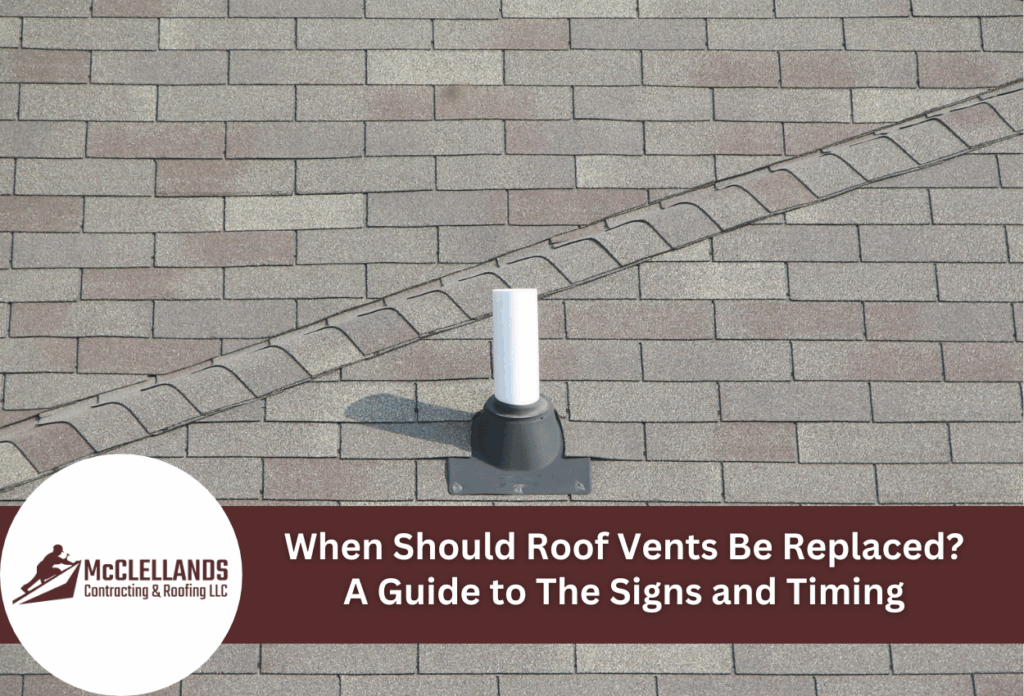
Roof vents typically require replacement every 10 to 20 years, though this timeline can vary significantly based on material quality, weather exposure, and maintenance practices. Most homeowners overlook their roof ventilation system until problems become apparent, yet these components play a crucial role in maintaining proper attic airflow and preventing moisture buildup that can lead to structural damage.
Several clear indicators signal when roof vents need replacement. Visible cracks, rust, or damaged flashing around vent installations compromise their effectiveness and allow water infiltration. Signs of poor ventilation include excessive attic heat, ice dam formation, or moisture problems that suggest the roof ventilation system is no longer performing adequately.
Regular roof vent maintenance extends their lifespan and helps identify issues before they escalate into expensive repairs. Damaged roof vents not only reduce energy efficiency, they also create entry points for water that lead to rot, mold growth, and insulation damage. Understanding the roof vent lifespan and recognizing replacement signals protects your home’s structural integrity while maintaining optimal indoor comfort and air quality.
Critical Warning Signs Your Roof Vents Are Failing
Recognizing when roof vents need replacement requires attention to both visual deterioration and performance indicators. Physical damage presents the most obvious signs roof vents need replacement, including visible cracks in the vent housing, rust formation on metal components, or missing pieces that harm the unit’s integrity. Damaged flashing around vent openings creates particularly serious concerns, as these gaps allow water to enter beneath roofing materials and cause extensive structural damage.
Performance issues often signal failing roof ventilation systems before physical damage becomes apparent. Poor attic ventilation is noticeable when excessive heat buildup occurs during summer or ice dams form in winter, both indicating inadequate airflow through damaged roof vents. Unusual musty odors or visible moisture problems in attic spaces suggest failed ventilation that requires immediate attention.
Proper roof vent maintenance includes regular inspections to identify these warning signs early. The roof vent lifespan decreases significantly when small issues go unaddressed, transforming minor repairs into complete replacement needs. Homeowners who monitor the performance of their roof ventilation system can prevent expensive secondary damage while maintaining optimal comfort and energy efficiency.
How Long Roof Vents Actually Last
The roof vent lifespan varies dramatically based on material composition and environmental conditions. Plastic vents typically last 10 to 15 years but may deteriorate faster under intense UV exposure or extreme temperature fluctuations. Metal roof vents, particularly aluminum and galvanized steel options, often provide 15 to 20 years of service when properly installed and maintained.
Several factors significantly accelerate vent deterioration and reduce expected service life. Poor installation quality creates immediate vulnerabilities that compromise the entire ventilation system, while severe weather exposure from hail, wind-driven debris, or thermal cycling causes premature material fatigue. Neglected roof vent maintenance allows minor issues to compound, transforming manageable repairs into complete replacement scenarios.
Understanding when roof vents need replacement based on material type helps homeowners plan maintenance budgets effectively. Regular inspections reveal signs roof vents need replacement before damaged roof vents compromise attic protection. Weather-related stress, installation defects, and inadequate maintenance consistently emerge as primary factors that determine whether roof ventilation systems reach their expected lifespan or require early intervention.
Seasonal Inspection Guidelines for Optimal Vent Health
Spring and fall inspections provide the most effective schedule for identifying roof vent maintenance needs before emergency replacement is necessary. These seasonal checkpoints allow homeowners to assess winter storm damage and prepare their roof ventilation system for upcoming weather extremes. Spring inspections focus on detecting signs roof vents need replacement after harsh winter conditions, while fall evaluations ensure systems remain functional before snow and ice create additional stress.
Routine maintenance inspections should examine specific components that indicate when roof vents need replacement. Check for debris accumulation around vent openings that restricts airflow and creates moisture retention problems. Inspect seal integrity around flashing and mounting points, as compromised weatherproofing allows for leaks that damage both vents and surrounding roofing materials.
Systematic roof vent maintenance during these seasonal inspections extends the roof vent lifespan and prevents minor issues from turning into major problems. Look for loose mounting hardware, cracked vent housings, or deteriorated gaskets that compromise the roof ventilation system effectiveness. Damaged roof vents identified during routine inspections often receive repair rather than complete replacement, making consistent monitoring a cost-effective maintenance strategy.
Weather-Related Damage That Demands Immediate Action
Storm damage creates the most urgent roof vent replacement scenarios, requiring immediate assessment after severe weather events. Hail impact commonly cracks vent housing and damages protective screens, while high winds can lead to entire units becoming dislodged, or bend mounting hardware beyond repair. Ice dams place tremendous stress on ventilation components, often warping vent openings and harming the integrity of the seals around flashing installations.
Pittsburgh’s freeze-thaw cycles create particularly challenging conditions for roof ventilation systems, causing repeated expansion and contraction that gradually weakens mounting points and weatherproof seals. Heavy snow loads make problems worse by adding significant weight to vents that are already damaged. These seasonal weather patterns accelerate normal wear patterns and often reduce the expected roof vent lifespan by several years compared to areas with milder climates.
Assessing for wind damage should focus on both obvious displacement and subtle structural compromise that affects long-term performance. Damaged roof vents that appear functional may have internal damage or loose connections that allow water in during future storms. When roof vents sustain weather-related damage, prompt replacement prevents secondary problems like water damage, insulation deterioration, and compromised attic protection that cost significantly more than immediate replacement vents.
Professional vs. DIY Inspections
Homeowner inspections provide a valuable way to routinely monitor roof vents, but they carry significant safety risks and diagnostic limitations compared to professional roof vent evaluations. Climbing on roofs without proper equipment and training creates serious injury hazards, while inexperienced observers often miss subtle signs of damage that indicate when roof vents need replacement. DIY assessments typically identify only obvious damage, overlooking critical issues like improper airflow, problems with mounting, or ventilation imbalance within the roofing system.
Professional roofing contractors bring specialized knowledge to identify complex signs that replacement is needed. Expert evaluations include analyzing the roof’s load-bearing capacity, proper ventilation ratios, and the vent’s integration compatibility with existing roofing materials. Professionals are able to recognize early-stage material fatigue, installation defects, and performance problems that signal damaged roof vents require replacement before catastrophic failure occurs.
Schedule professional assessments when routine roof vent maintenance reveals concerning conditions beyond basic cleaning and minor adjustments. Call contractors immediately after severe weather events, when unusual attic moisture or temperature problems develop, or when DIY inspections identify visible damage. Professional diagnosis ensures accurate timing for replacement while maintaining the roof ventilation system and safety standards that protect both property and occupants.
Planning Your Roof Vent Replacement Project
Strategic planning transforms roof vent replacement from an emergency repair into a manageable maintenance project. Coordinating the work of other roofing projects reduces efficiency while reducing costs and the risk of exposing the interior of the home to harmful weather. Understanding installation requirements ensures the roof ventilation system functions effectively for years while avoiding premature replacement cycles that result from poor planning.
Optimal Timing for Replacement Scheduling
Spring and early fall provide ideal windows for roof vent replacement projects, offering weather with mild temperatures and lower risks of precipitation that protect both workers and exposed areas of the roof. Coordinating replacement timing with routine maintenance creates cost efficiencies through shared labor and equipment expenses. Schedule replacement work before damaged roof vents harm the attic’s protection or create secondary problems that complicate installation.
Combining roof vent replacement with other roof maintenance projects reduces the overall project costs and reduces how disruptive accessing the roof will be. Plan vent replacement during shingle repairs, gutter cleaning, or chimney maintenance to maximize contractor efficiency. This coordination approach prevents there from being multiple gaps in the roof throughout the year while ensuring the ventilation system receives attention alongside other critical components.
Selecting Replacement Vents for Long-Term Success
Choose replacement vents based on existing needs of the roof rather than simply matching old units that may have been inadequately sized or improperly positioned. Calculate proper ventilation ratios to ensure adequate attic airflow while preventing moisture buildup that reduces the roof vent lifespan. Quality materials and proper sizing prevent premature replacement needs and maintain consistent performance throughout changing weather conditions.
Installation requirements vary significantly between types of, affecting both project complexity and long-term maintenance needs. Consider accessibility for future roof vent maintenance when selecting replacement locations and vent styles. Professional installation ensures proper integration with existing roof structures while maintaining warranty coverage and optimal ventilation system performance.
Expert Roof Vent Replacement Services in Pittsburgh
Understanding when to replace your roof vents is crucial for maintaining the structural integrity and energy efficiency of your home. At McClellands Contracting and Roofing, LLC, we specialize in identifying and addressing wear and tear on roof ventilation systems that are specific to Pittsburgh’s unique weather patterns. Whether you’re noticing visual signs of deterioration like cracks or rust, or experiencing performance issues such as poor attic ventilation and moisture problems, our team is here to help.
Ready to schedule a professional evaluation or want more information? Call us today at (412) 353-5660 and ensure your roof vents are in optimal condition!