

 Residential
 Commercial
 Interior
 Exteriors
 Service Areas
 Contact Us
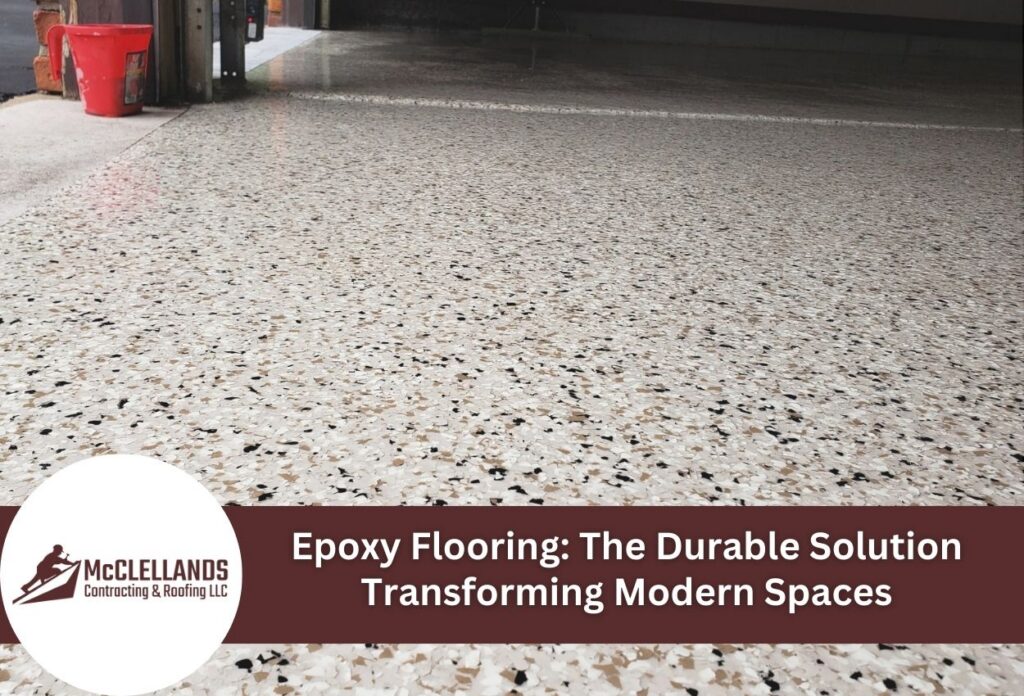

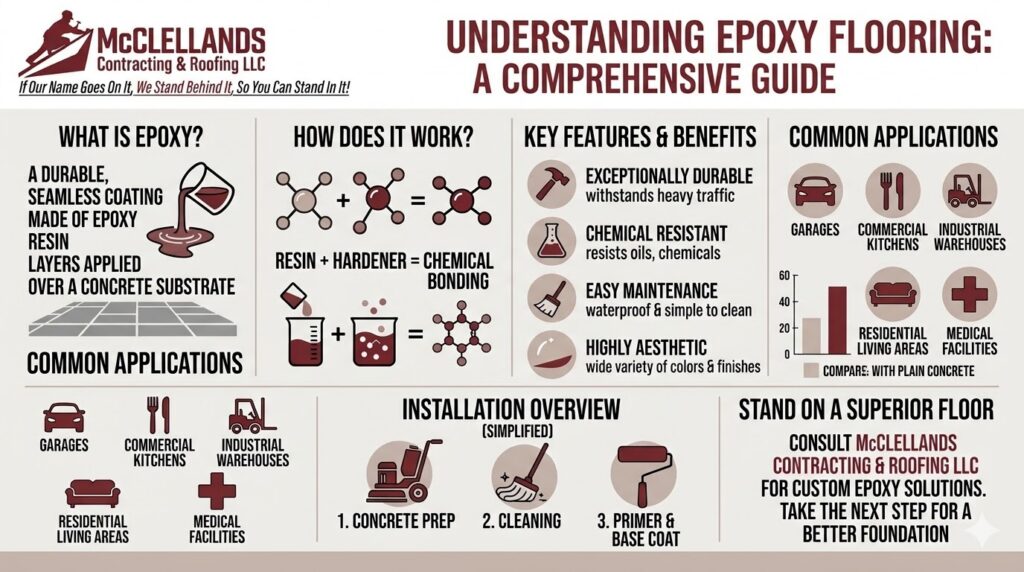
Epoxy flooring represents a revolutionary approach to floor protection that combines liquid resin with a chemical hardener to create an exceptionally durable surface coating. This concrete floor coating bonds directly to existing concrete surfaces, forming a seamless, high-performance layer that withstands heavy traffic, chemical spills, and daily wear far better than traditional flooring options.
Property owners across residential, commercial, and industrial sectors increasingly choose epoxy floor coating systems for their superior longevity and maintenance benefits. Garage floor epoxy applications have become particularly popular among homeowners seeking to transform dingy concrete floors into attractive, easy-to-clean surfaces. The epoxy flooring benefits extend beyond appearances, offering resistance to stains, impacts, and moisture that make it ideal for workshops, basements, and commercial facilities.
Industrial floor coating applications demonstrate epoxy’s versatility, protecting concrete in manufacturing plants, warehouses, and automotive facilities. This growing popularity stems from epoxy’s ability to deliver professional-grade durability while remaining accessible for various property types and budgets.
Understanding the Different Types of Epoxy Floor Systems Available
Epoxy floor coating systems fall into two primary categories based on their chemical composition: water-based and solvent-based products. Water-based epoxy coatings offer lower odor levels and faster cleanup, making them suitable for residential garage floor epoxy projects and indoor applications where ventilation may be limited. These systems typically provide good adhesion to concrete surfaces while maintaining easier application processes for property owners.
Solvent-based concrete floor coating systems deliver superior chemical resistance and durability, making them the preferred choice for tougher industrial floor coating applications. These products seep deeper into concrete and create stronger bonds, though they require adequate ventilation during application due to higher volatile organic compound levels.
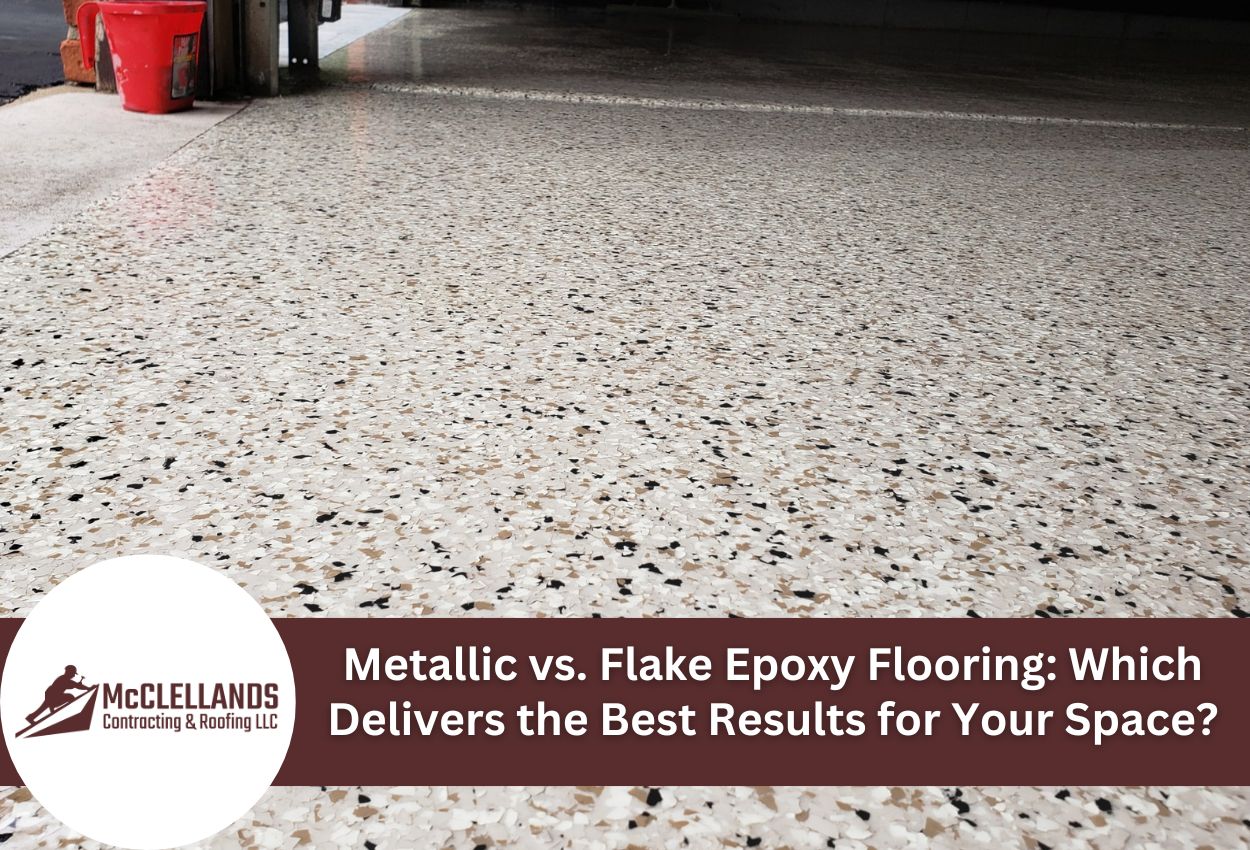
Decorative options significantly expand epoxy flooring benefits beyond basic protection. Metallic finishes create stunning visual effects with swirled, reflective patterns that transform ordinary concrete into eye-catching surfaces. Color flakes add texture and slip resistance while hiding minor imperfections in the deck. Solid color systems provide clean, professional appearances perfect for commercial spaces or organized workshop environments.
Key Benefits That Make Epoxy Flooring Stand Out From Other Options
Epoxy flooring benefits extend far beyond basic surface protection, offering exceptional durability that outperforms traditional flooring materials in tougher environments. The chemical resistance properties of epoxy floor coating make it virtually impervious to automotive fluids, cleaning chemicals, and industrial solvents that would quickly damage other flooring types. This concrete floor coating withstands heavy impacts from dropped tools, equipment, and machinery without cracking or chipping like ceramic tiles or hardwood floors.
Heavy foot traffic and vehicle movement pose no challenge for properly installed garage floor epoxy systems, which maintain their appearance and structural integrity for decades. Industrial floor coating applications regularly handle forklift traffic, rolling equipment, and constant pedestrian use without showing wear patterns common in other materials.
Maintenance requirements for epoxy flooring remain minimal compared to traditional options, requiring only basic sweeping and occasional mopping to maintain pristine conditions. The seamless, non-porous surface prevents dirt, grease, and bacteria from getting into the floor, making cleanup effortless and hygienic. Property owners save significant time and money over the long term since epoxy eliminates the need for frequent refinishing, sealing, or replacement cycles required by conventional flooring materials.
Common Applications Where Epoxy Flooring Excels
Garage floor epoxy applications have transformed how homeowners protect and enhance their concrete surfaces. These concrete floor coating systems create an impermeable barrier that prevents oil stains, antifreeze spills, and road salt from getting in and damaging the underlying concrete. The seamless surface eliminates the porous nature of raw concrete, making cleanup effortless after automotive maintenance or workshop projects.
Beyond residential garages, garage floor epoxy systems excel in basement workshops, utility rooms, and storage areas where moisture protection and easy maintenance are essential. The coating resists tire marks, scratches from moving equipment, and chemical exposure while providing an attractive finish that brightens these typically utilitarian spaces.
Industrial floor coating applications showcase epoxy’s superior performance under extreme conditions. Manufacturing facilities rely on these systems to withstand constant exposure to chemicals, oils, and heavy machinery traffic that would quickly destroy conventional flooring. Warehouses benefit from the durability and easy maintenance that keep operations running smoothly without frequent floor repairs or replacements.
Commercial kitchens, medical facilities, and retail spaces choose epoxy flooring for its hygienic properties and ability to maintain appearance despite heavy use. The non-slip additives available in many epoxy floor coating products provide essential safety features in environments where spills and wet conditions create hazardous walking surfaces.
Installation Process and What Property Owners Should Expect
Surface preparation determines the success of any epoxy floor coating installation and requires a thorough assessment of existing concrete conditions. The concrete decks must be clean, structurally sound, and properly profiled to ensure the best possible adhesion of the garage floor epoxy system. Professional contractors evaluate the concrete for cracks, oil stains, and moisture issues that could compromise the bond between the coating and deck.
Cleaning involves aggressive degreasing and mechanical preparation, such as diamond grinding or shot blasting, to create the proper surface profile. Any existing concrete floor coating or sealers must be completely removed before application can begin. Crack repair and concrete patching may be necessary to create a uniform base that will support the industrial floor coating throughout its service life.
The application timeline typically spans 3 to 5 days, depending on the specific epoxy flooring system selected and environmental conditions. Initial surface preparation and primer application occur on day 1, followed by base coat installation on day 2. Decorative elements and topcoat applications happen during the days after that, with each layer requiring specific curing periods before the next application.
Property owners should plan for limited access to the treated area during this period, as premature foot traffic can damage the developing coating. Full cure typically requires 72 to 168 hours before normal use can resume, though light foot traffic may be acceptable after 24 hours, depending on the specific product used.
Maintenance Requirements and Long-Term Performance Expectations
Epoxy Floor Coating: Maintenance & Lifespan
Maintenance Schedule
- Daily: Requires only basic sweeping and damp mopping with mild detergent solutions to preserve the coating’s structural integrity. The non-porous surface prevents spills from seeping into the deck, allowing immediate cleanup without staining concerns.
- Weekly: Deep cleaning with commercial floor cleaners maintains the glossy appearance while removing accumulated dirt and debris that could cause surface abrasion over time.
- Monthly/Periodic: Inspect high-traffic areas for signs of wear and give immediate attention to any chemical spills that could compromise the concrete floor coating.
- Industrial Applications: May require more frequent cleaning due to heavy machinery traffic, but the same gentle cleaning methods protect the epoxy surface from unnecessary wear.
Lifespan & Durability
- General Expectation: Typically ranges from 10 to 20 years, depending on usage patterns and environmental conditions.
- Residential (Garage): Often exceeds 20 years with minimal maintenance.
- Industrial Environments: May see 5 to 10 years of service life due to extreme conditions.
- Factors Influencing Durability: Proper surface preparation during installation, adherence to recommended curing times, and avoiding harsh chemicals or mechanical damage that could compromise the protective coating’s structural integrity.
Making the Right Decision for Your Specific Flooring Needs
Determining whether epoxy flooring aligns with specific space requirements involves a close look at the usage patterns, environmental conditions, and appearance goals. Climate considerations play an important role since extreme temperature fluctuations can affect concrete floor coating performance over time. Properties with consistent temperature ranges typically experience better long-term results from garage floor epoxy installations compared to spaces subject to frequent freeze-thaw cycles.
Usage patterns significantly impact epoxy flooring benefits and system selection. High-traffic commercial environments require different industrial floor coating specifications than residential garage applications. Heavy machinery operations need thicker epoxy floor coating systems with specialized additives, while decorative residential projects may prioritize looks over maximum durability.
When evaluating contractors for professional installation, property owners should verify licensing, insurance coverage, and specific epoxy application experience. Ask potential installers about their surface preparation methods, product warranties, and timeline expectations. Reputable contractors provide detailed written estimates explaining primer systems, cure times, and maintenance recommendations. Request references from recent projects and inspect completed installations to assess workmanship quality. Proper contractor selection ensures the best possible performance from your epoxy flooring investment and prevents expensive repairs from inadequate preparation or application techniques.
Discover the Enduring Benefits of Epoxy Flooring with McClellands Contracting and Roofing, LLC
If you’re considering a new flooring solution that offers durability, longevity, and appearance, epoxy flooring may be the perfect choice for you. McClellands Contracting and Roofing, LLC specializes in high-quality epoxy floor installations that transform ordinary spaces into spectacular environments. With our expertise, your floors will not only look fantastic but also withstand the rigors of everyday use.
Epoxy flooring is an excellent option for garages, industrial settings, or any area that needs a tough, long-lasting surface. It resists stains, abrasions, and chemicals, making it ideal for both residential and commercial applications. Plus, the low maintenance requirements mean you can enjoy a beautiful floor with minimal effort.
Ready to upgrade your flooring with McClellands Contracting and Roofing, LLC? Don’t hesitate to call us today at (412) 353-5660 to discuss your project and get a custom solution tailored to your needs.