

 Residential
 Commercial
 Interior
 Exteriors
 Service Areas
 Contact Us
Do You Need a Metal Roof Ridge Vent? Read This Guide For Everything You Need To Know!
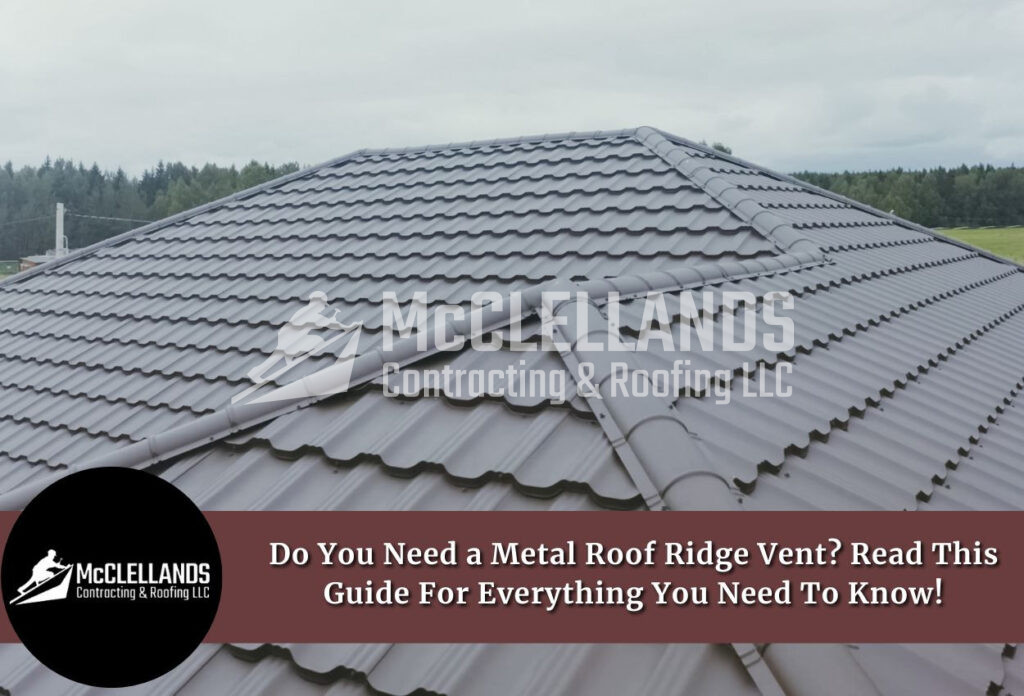
Are you looking for a new ridge vent for your metal roof? Which one is the best on the market? Do you even really need one?
As a metal roofing expert, I’m here to help you find the answer to all these essential questions, plus more.
In this blog post, I’ll explain the benefits of ridge vents, explore the different types of metal roofs, and help kick-start your roof ventilation project!
So let’s get started.
Key Takeaways: Metal Roof Ridge Vents
- Hot or Humid Climates: Install a metal roof ridge vent to prevent mold growth, wood rot, and moisture damage in your attic.
- Installation Cost: Standard ridge vent installation costs $300–$700 ($5–$15 per linear foot), with powered vents ranging $200–$1,200.
- Pair With Soffit Vents: Ridge vents work best when combined with soffit vents, creating continuous airflow that expels hot air and draws in cool air.
- Choose Baffle Vents: Baffle ridge vents use internal channels to prevent insulation blockage and stop wind-driven rain in high-precipitation areas.
Introducing Metal Roof Ridge Vents
A ridge vent is essential to a well-ventilated metal roofing system. It is installed at the peak of the roof, otherwise known as the ridge, of a sloped metal roof and spans the entire length of the ridge. Its purpose is to allow hot, moist air to escape from the attic, promoting better air circulation.
Curious about how it all comes together? Let’s understand the basic mechanics behind a ridge vent.
How Does a Ridge Vent Work?
Ridge vents are exhaust vents installed at the peak of the roof, and extend the entire ridge of the roof. When the attic temperature rises, warm air naturally moves upward and accumulates near the peak. These vents have small holes or openings that let this hot air escape the attic. These vents work well when paired with soffit vents, which are intake vents. Vented soffits draw in the cool outside air, creating a continuous cycle of fresh airflow.
With a properly installed ridge vent on your metal roof, you’ll enjoy plenty of benefits!
Benefits of Installing Ridge Vents on Your Metal Roof
Let’s explore the advantages of having ridge vents on your metal roof, including a healthier home environment and improved energy efficiency.
Improve Attic Ventilation
One of the primary advantages of installing metal roof ridge vents is improved attic ventilation. Proper ventilation helps prevent the buildup of heat and moisture in the attic, which can lead to various issues like mold growth, rotting wood, and insulation damage. With a vent on your roof’s peak, you can maintain a balanced and healthy attic environment.
Facilitate Energy Efficiency
A well-ventilated attic contributes to better energy efficiency in your home. In hot weather, a ridge vent helps to expel hot air, reducing the strain on your air conditioning system. During the colder months, proper ventilation prevents moisture buildup and ice dams, promoting a more comfortable living space and potentially lowering heating costs.
Enhance the Longevity of Roofing Materials
Excessive heat and moisture in the attic can cause roofing materials to deteriorate quickly. By installing the right type of ridge vents on your roof, you can extend its lifespan and improve performance and durability, saving money on repairs and premature replacements.
An Eco-Friendly Solution
With better energy efficiency and a longer roof lifespan, ridge vents contribute to a more eco-friendly living environment. Buildings account for approximately 35-40% of total global energy consumption, making energy-efficient roofing solutions particularly important for environmental impact. You’re playing your part in sustainable living by not using electrical fans or vents on your metal roof and conserving energy and resources. And if you still need to use fans for further ventilation, you can also use solar-powered roof vents.
Do You Need a Ridge Vent on Your Metal Roof?
Determining the need for a ridge vent requires careful consideration of the following factors:
| Factor | Ridge Vent Recommended | May Not Be Necessary |
|---|---|---|
| Climate | Hot, humid, or highly variable climates | Consistently mild, temperate regions |
| Roof Design | Complex roof lines, steep pitches, large attic spaces | Simple designs with adequate alternative venting |
| Existing Ventilation | Insufficient soffit or gable vents | Comprehensive ventilation system already in place |
| Regional Standard | North America (40-45% global market share) | Regions with different building codes or practices |
Local Climate
For people living in a hot or humid area, I highly recommend installing a ridge vent for metal roofs. It will help regulate the attic temperature and humidity levels, preventing rot, mold and algae growth, and pest infestation caused by trapped moisture and heat. North America accounts for 40-45% of the global market share for ridge vents, validating that these systems are a standard necessity for North American homes rather than an optional add-on.
Roof Pitch and Design
The pitch of your metal roof plays a role in determining the effectiveness of a vent. Steeper roofs tend to create more efficient airflow, making vents more beneficial.
The Attic’s Condition
If your attic, rafters, or insulation is damaged or rotting, you first need to repair such issues. Start by getting a thorough roof and attic inspection from your metal roofer, and they’ll provide a proper report and solutions. To prevent issues in the future, a metal roof ridge vent can help regulate moisture and temperature.
Current Ventilation System
A ridge vent may not be necessary if your home already has other types of effective attic ventilation, such as gable vents or turbine vents. In such cases, adding a ridge vent might not provide significant additional benefits.
Consult a Metal Roofing Contractor
Ultimately, the decision of whether to install a metal roof ridge vent should be based on your specific roofing needs and the advice of a reliable professional. A metal roofing expert can assess your home’s ventilation requirements and recommend the best solution.
If you’re ready to install a new ridge vent on your metal roof, let’s explore some popular and effective solutions.
Types of Ridge Vents Suitable for Metal Roofs
With the right choice, your metal roof and attic ventilation will be maximized! Let’s explore the options in this roof ventilation upgrades guide and find the one that best complements your roof.
Roll Vent
Metal roof roll vents are super convenient and flexible. They’re continuous vents made from a special material that can be rolled along the ridge of your metal roof. These low-profile solutions can be easily cut to fit the length of your ridge. Plus, they come in materials like high-density polyethylene (HDPE) or metal.
Baffle Ridge Vent
One of the most common types of metal roof ridge vents, baffle ridge vents, are designed to work wonders with insulation. They have internal baffles or channels that make sure your insulation doesn’t block the vent’s opening.
| Ridge Vent Type | Key Features | Best For | Cost Range |
|---|---|---|---|
| Standard Ridge Vent | Passive ventilation, low-profile design, weather-resistant | Most residential metal roofs, moderate climates | $300–$700 ($5–$15/linear foot) |
| Baffle Ridge Vent | Internal baffles prevent wind-driven rain, enhanced airflow | High-wind areas, regions with heavy precipitation | $300–$700 ($5–$15/linear foot) |
| Powered Ridge Vent | Electric or solar-powered fan, active ventilation control | Hot climates, attics needing extra cooling power | $200–$1,200 per unit |
Ridge Vent Installation Costs
Standard ridge vent installation typically costs between $300 and $700, or approximately $5 to $15 per linear foot. Powered ridge vents command a premium, ranging from $200 to $1,200 depending on the unit. These costs provide homeowners with concrete budgeting figures when planning their roof ventilation project.
With improved attic ventilation, an extended roof life, and eco-friendly benefits, ridge vents make a profound impact on your living space. Remember, when you’re ventilating your metal roof, think about your climate, roof pitch, and what roof vents you already have in place.
Also read: How To Choose The Best Metal Roof Vents For Your Roofing System
If you need more information on roof vents or a new ridge vent for your metal roof in Pittsburgh, PA, we’re here to help!
Get a Free Consultation and Estimate on Metal Roof Ventilation in Pittsburgh, PA
At McClellands Contracting and Roofing LLC, we’re here to help you tap into the full potential of your metal roof. Embrace a world of comfort, protection, and peace of mind with the right kind of roof vents! Our team of metal roofing experts are here to answer all your questions and provide you with the best roof ventilation services in Pittsburgh, PA. Call us at (412) 353-5660 for a free consultation and estimate on your metal roof ridge vent installation.
What happens if I don’t install a ridge vent on my metal roof?
Without proper ridge ventilation, your attic can experience excessive heat buildup and moisture accumulation, potentially leading to premature insulation failure, structural wood damage, and reduced HVAC efficiency. You may also face increased risk of ice dams in winter and significantly shortened roof lifespan due to thermal stress on roofing materials.
Can I install a metal roof ridge vent on an existing roof, or does it require a new roof installation?
Ridge vents can absolutely be retrofitted onto existing metal roofs without requiring a complete roof replacement. A qualified contractor will cut an opening along the ridge line and install the vent system, though this process requires careful sealing to prevent leaks. The installation is typically completed in one to two days for most residential homes.
How do I know if my soffit vents are providing enough intake air for my ridge vent?
A balanced ventilation system requires adequate intake ventilation to match your ridge vent’s exhaust capacity, typically following a 1:1 ratio of intake to exhaust area. Signs of insufficient soffit ventilation include persistent attic heat, moisture problems despite having a ridge vent, or visible condensation on attic surfaces. A roofing professional can calculate your net free area requirements based on your attic square footage.
Will a ridge vent work effectively on a low-slope metal roof?
Ridge vents perform best on roofs with pitches of 3:12 or steeper, where natural convection creates effective airflow. On low-slope roofs below 3:12, the thermal stack effect is reduced, making ridge vents less efficient. In these situations, powered vents or alternative ventilation strategies like turbine vents may provide better results for adequate attic ventilation.
Do ridge vents require any maintenance after installation?
Metal roof ridge vents are designed as low-maintenance systems, but periodic inspections are recommended to ensure optimal performance. Check annually for debris accumulation, nesting insects or animals, and verify that baffles remain unobstructed. After severe weather events, inspect the vent for damage and ensure all sealants and fasteners remain intact to prevent water infiltration.