

 Residential
 Commercial
 Interior
 Exteriors
 Service Areas
 Contact Us
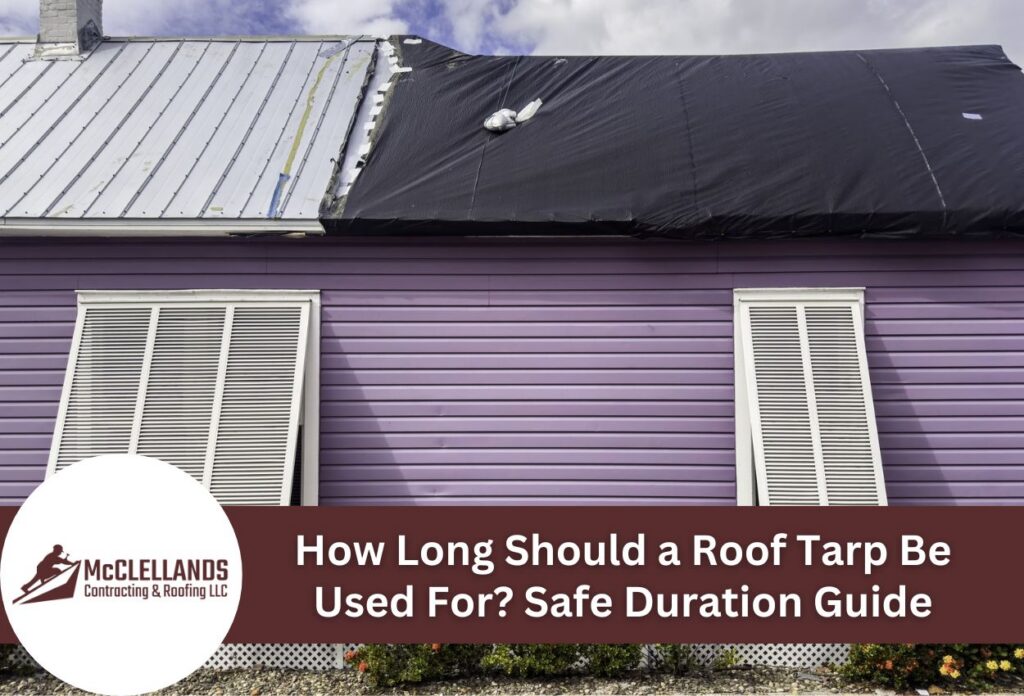

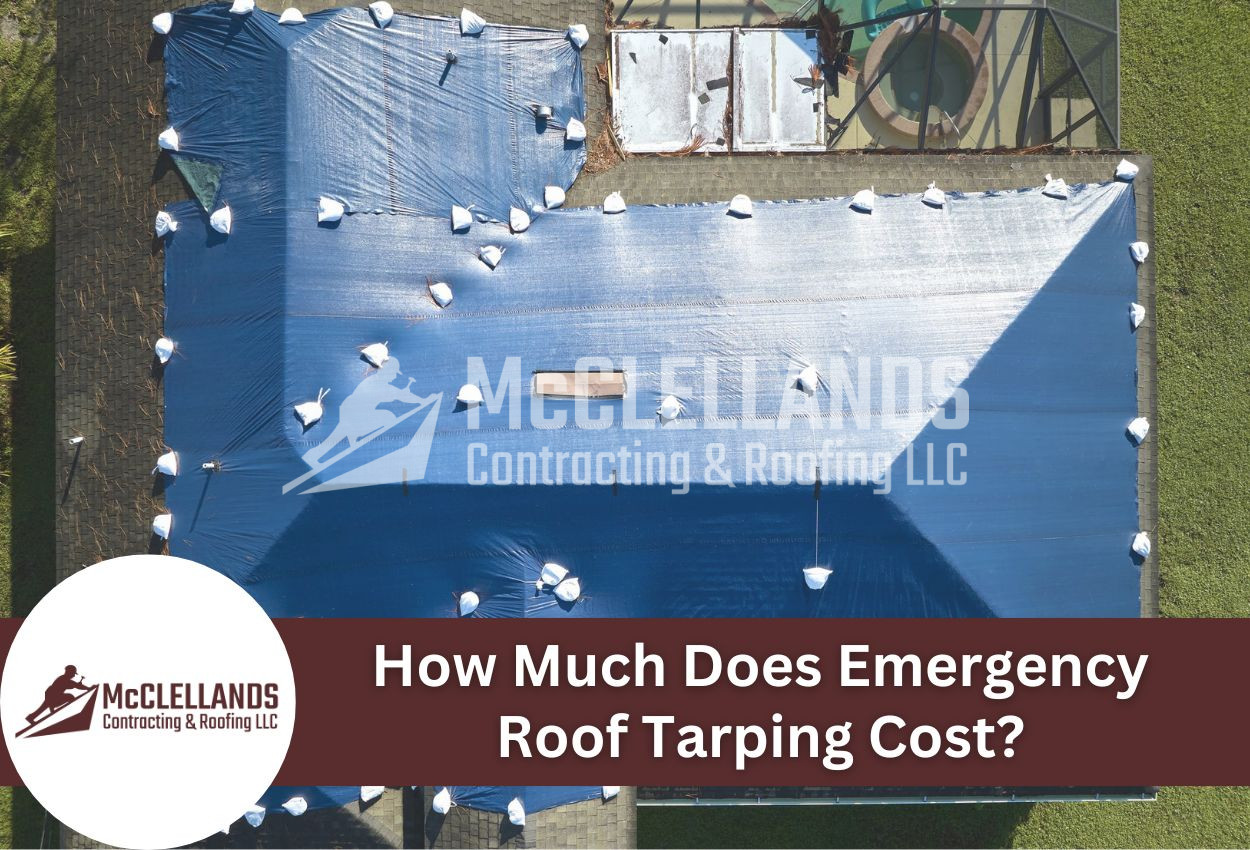
A damaged roof needs immediate attention, and emergency roof tarping often serves as the first line of defense against water intrusion and structural deterioration. Most temporary roof tarp solutions remain effective for 90 days under normal conditions, though this timeline varies significantly based on weather exposure, tarp quality, and installation method. Understanding emergency roof tarping duration helps property owners make informed decisions about protecting their homes while coordinating permanent repairs.
Weather conditions play an important role in determining when to replace roof tarp coverage. High winds, heavy rain, and intense UV exposure gradually degrade even the highest-quality materials. Professional roof tarp damage prevention starts with selecting appropriate materials and securing them properly, but no temporary solution can replace a full roof restoration. The extent of the original damage also influences how long a tarp provides adequate protection, as larger compromised areas face greater stress from environmental factors and require more frequent roof tarp maintenance tips to ensure continued effectiveness.
Maximum Duration for Temporary Roof Tarp Coverage
Roofing professionals typically recommend keeping a tarp in place for no longer than 90 days, though certain circumstances may require replacement sooner. This standard timeframe accounts for material degradation from sun exposure, wind stress, and temperature fluctuations that gradually compromise the tarp’s protective capabilities. Emergency roof tarping duration should be viewed as a short-term solution rather than a semi-permanent fix, with most experts suggesting homeowners schedule permanent repairs within the first month whenever possible.
Extended tarp coverage creates unexpected problems beneath the surface. Trapped moisture between the tarp and roofing materials creates ideal conditions for mold growth and wood rot that can spread throughout the roof deck. The lack of proper ventilation accelerates the deterioration of shingles, underlayment, and structural components. When to replace a roof tarp becomes important when visible sagging appears, or water begins pooling on the surface. Roof tarp damage prevention requires monitoring the covered area for signs of secondary damage that temporary roof tarp solutions cannot address. Following proper roof tarp maintenance tips ensures the covering remains secure until professional repairs restore complete protection to the structure.
Signs Your Roof Tarp Needs Immediate Replacement
Recognizing when to replace a roof tarp prevents additional damage to the underlying structure. Visible tears or punctures in the material signal compromised protection that allows leaks to form. Loose sections that flap in the wind indicate failing attachment points that require immediate attention. Pooling water on the tarp surface suggests inadequate drainage that adds weight stress and creates leakage risks. UV damage appears as fading, brittleness, or cracking across the material, particularly after several weeks of sun exposure. These visual indicators mean temporary roof tarp solutions have reached the end of their effective lifespan.
Weather-related wear patterns accelerate tarp deterioration and require frequent monitoring. After storms or high winds, inspect all edges and fastening points for separation from the surface of the roof. Heavy rain often reveal weak spots where water seeps through compromised sections. Emergency roof tarping duration shortens significantly following severe weather that stresses the material beyond normal wear.
Roof tarp damage prevention includes checking for debris accumulation that punctures the covering or prevents proper water runoff. Implementing roof tarp maintenance tips through regular inspections helps identify problems before they cause interior damage to the home.
Extending the Life of Your Emergency Roof Tarp
Proper installation techniques form the foundation for maximizing emergency roof tarping duration. Securing the tarp with appropriate fasteners spaced at recommended intervals prevents wind uplift and material stress that shortens its protective period. The covering should extend at least 4 feet beyond the damaged area on all sides, with edges properly anchored to prevent water intrusion.
Avoiding wrinkles and ensuring tight installation eliminates pockets where water can collect and accelerate deterioration. Quality attachment methods using batten boards or sandbags distribute tension evenly across the material, reducing concentrated stress points that lead to premature tearing.
Weekly inspections help identify minor issues before they compromise the entire covering. Check all fastening points for loosening caused by wind or temperature changes that affect material tension. Remove debris such as branches, leaves, and dirt that accumulate on the surface and create puncture risks or drainage problems. Roof tarp maintenance tips include tightening loose sections immediately and adding reinforcement to areas showing early signs of wear. Small tears can be temporarily patched with waterproof tape designed for outdoor use, though extensive damage requires complete tarp replacement. Following these roof tarp damage prevention practices extends the effective protection period while homeowners coordinate permanent roofing repairs.
Weather Conditions That Shorten Tarp Effectiveness
Extreme weather conditions dramatically reduce how long a roof tarp should be used before requiring replacement. Intense UV radiation from prolonged sun exposure breaks down tarp materials through photodegradation, causing brittleness and weakening that leads to cracks and tears. Summer heat accelerates this deterioration process, with temperatures exceeding 90 degrees Fahrenheit creating additional stress on both the material and its attachment points.
Winter weather introduces different challenges as freezing temperatures make tarps rigid and prone to cracking, while ice accumulation adds significant weight that stresses fasteners and creates tears. Temperature swings between day and night cause expansion and contraction cycles that loosen securing points and compromise the seal against water intrusion.
Seasonal transitions require more frequent evaluation of temporary roof tarp solutions to ensure continued protection. Storm-prone periods with high winds and heavy precipitation test the limits of even properly installed coverings, often requiring inspection after each severe weather. Spring and fall weather patterns featuring rapid temperature changes and increased precipitation require closer monitoring for signs of wear.
Winter may require snow removal to prevent excessive weight buildup that damages both the tarp and the underlying roof structure. Summer installations face accelerated UV degradation that shortens the typical 90-day timeframe for safe usage. Understanding these seasonal factors helps determine when to replace a roof tarp before weather-related deterioration leads to coverage failure and additional property damage.
Planning for Permanent Roof Repairs While Under Tarp
The time period following emergency roof tarping represents an important window for arranging lasting solutions. Homeowners should begin contacting licensed roofing contractors within the first week after tarp installation to schedule property assessments and receive detailed repair estimates. This proactive approach prevents scheduling delays that could force extended reliance on temporary roof tarp solutions. Insurance companies typically require documentation of the damage and repair estimates before approving claims, making early coordination essential for fast claim processing.
Gathering multiple contractor opinions provides comparison options and helps establish reasonable timeframes for completing permanent repairs before the tarp reaches the end of its safe usage period.
Delaying permanent repairs increases risks that extend beyond simple roof tarp damage prevention concerns. Prolonged tarp coverage allows hidden moisture problems to develop within the roof structure, potentially transforming a manageable repair into extensive replacement work. Insurance policies often specify time limits for completing repairs after initial damage occurs, and exceeding these deadlines may result in reduced coverage or claim denials. Understanding how long a roof tarp should be used emphasizes the importance of treating tarps as genuine emergency measures rather than extended solutions. Scheduling permanent repairs quickly protects the structural integrity of the home while ensuring insurance benefits remain available throughout the restoration process.
When to Contact a Professional for Extended Tarp Coverage
Extended tarp situations require professional assessment when permanent repairs face delays beyond the initial 90-day emergency roof tarping duration. Insurance claim processing complications, contractor scheduling conflicts, or material availability issues sometimes force homeowners to maintain temporary roof tarp solutions longer than recommended. A licensed roofing contractor should inspect the tarp monthly during extended coverage periods to evaluate material condition and underlying roof damage progression.
These professional evaluations identify deterioration invisible to untrained observers, including moisture accumulation beneath the covering, compromised attachment points, and secondary damage spreading beyond the original affected area. Contractors can determine when to replace roof tarp materials before complete failure occurs and recommend reinforcement strategies that extend protection until permanent repairs become feasible.
Alternative temporary solutions provide enhanced protection when circumstances require coverage extending beyond typical tarp lifespans. Professional-grade reinforcement includes installing additional batten boards across stress points, upgrading to commercial-weight tarps with superior UV resistance, and creating multi-layer coverage systems for severe damage situations. Roof tarp maintenance tips from experienced contractors address specific weather challenges facing the property, such as additional tie-down methods for wind-prone locations or drainage improvements preventing water accumulation. Some situations may warrant temporary roofing systems using plywood sheathing and rolled roofing materials that provide months of reliable protection.
Understanding roof tarp damage prevention through professional guidance ensures structures remain protected throughout extended waiting periods while preventing the accelerated deterioration that unmonitored temporary coverings often experience.
Expert Roof Tarp Solutions in Pittsburgh by McClellands Contracting and Roofing, LLC
If you’re dealing with a damaged roof, understanding the important timeframe for using a roof tarp is essential to prevent further damage to your home. At McClellands Contracting and Roofing, LLC, we emphasize the importance of not exceeding the recommended duration for temporary roof tarps, which typically should not surpass 90 days. Prolonged use can lead to trapped moisture, mold growth, and further deterioration of your roof’s structure.
It’s important to monitor your roof tarp regularly for signs of wear, such as tears, UV damage, or pooling water. These indicators suggest an immediate need for replacement or professional assessment. Don’t wait for the situation to get worse. Proactive measures can save you significant time and money.
For homeowners in Pittsburgh needing expert advice or emergency roof tarping services, contact McClellands Contracting and Roofing, LLC today at 412-353-5660. Ensure your property remains secure and well-protected until permanent repairs are implemented.
Visit us at https://mcclellandsroofing.com/ to learn more about our services and how we can assist you in effectively managing your roofing needs.