

 Residential
 Commercial
 Interior
 Exteriors
 Service Areas
 Contact Us
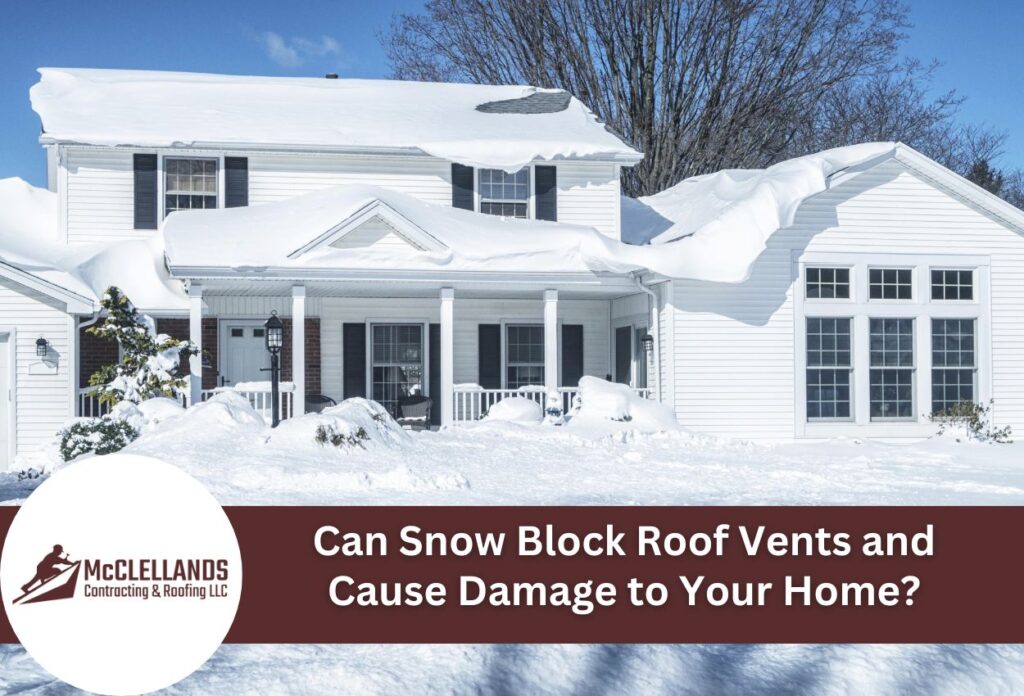
Snow that’s accumuled along rooftops creates more problems than just extra weight. When winter storms dump heavy snow across roofs, this frozen precipitation can completely obstruct roof vents, cutting off the vital airflow that keeps homes functioning properly. This stops roof vents from doing their job, which is to provide an exit point for stale, moisture-laden air to escape from attics and living spaces.
Snow easily blocks roof vents in several ways. Heavy snowfall can pile up around vent openings, creating barriers that prevent air circulation. Ice formation around vent caps and exhaust outlets creates additional blockages that persist even after snow begins melting. Wind-driven snow also packs tightly against vent structures, forming dense barriers that completely seal off airflow paths.
Roof ventilation problems in winter extend far beyond simple airflow reduction. Blocked vents trap moisture inside homes, leading to condensation buildup in attics and wall cavities. This trapped moisture creates ideal conditions for mold growth and wood rot. It also prevents proper temperature regulation, forcing heating systems to work harder and increasing energy costs significantly.
The consequences of neglecting these winter roof maintenance issues add up quickly. Ice dam formation becomes more likely when warm air cannot escape through blocked vents, creating dangerous icicles and potential roof damage that requires immediate attention from roofing professionals.
Warning Signs Your Roof Vents Are Blocked by Snow
Recognizing symptoms of blocked roof vents early can prevent expensive damage and health hazards. Indoor warning signs often appear first, signaling that roof ventilation problems in winter have begun affecting your home’s air quality and temperature control.
Condensation forming on windows, especially in upper floors and attic spaces, indicates trapped moisture that cannot escape through blocked vents. Musty odors throughout the house suggest stagnant air circulation, while noticeable temperature changes between rooms reveal compromised airflow patterns. There may even be a buildup of ice inside attic spaces and frost accumulation on interior surfaces that signal ventilation disruption.
Exterior visual clues help homeowners identify attic ventilation blocked by snow from the ground. Unusual ice formation along the roof’s edges often indicate spots where warm air cannot properly escape through snow-covered vents. Heavy snow accumulation specifically around ridge vents and exhaust outlets creates telltale mounding that blocks airflow.
Professional roof inspections become essential when multiple warning signs appear simultaneously, as proper winter roof maintenance requires identifying and addressing ventilation blockages before structural damage occurs.
The Connection Between Blocked Vents and Ice Dam Formation
Blocked roof vents create a dangerous chain reaction that leads directly to ice dam formation. When snow covers roof vents, it disrupts the natural temperature balance that keeps attics properly ventilated. This disruption traps warm air inside attic spaces, causing the roof deck to heat up and melt snow from underneath.
The freeze-thaw cycle begins when warm air cannot escape through blocked vents. As the warm air pushes up against the highest point on the roof, the snow there metals, then flows down toward colder eaves where it refreezes into ice dams. This type of ice formation prevents proper drainage and forces water to back up under shingles, creating the potential for significant roof damage.
Proper roof ventilation prevents ice dam formation by maintaining consistent attic temperatures. Cold air enters through soffit vents while warm air exits through ridge vents, keeping the entire roof surface at uniform temperatures. When attic ventilation snow blockage occurs, this critical air exchange stops functioning effectively.
Ice dam prevention for roof vents requires understanding how ventilation systems work together. Intake vents must remain clear to allow fresh air circulation, while exhaust vents need unobstructed pathways for warm air removal. Even partial blockage can disrupt this delicate balance and create conditions favorable for ice dam development.
Types of Roof Vents Most Vulnerable to Snow Blockage
Different roof ventilation systems face varying degrees of risk when winter weather brings heavy snow. Ridge vents, positioned along roof peaks, collect snow from both sides of sloped surfaces, making them particularly susceptible to blockage. Their horizontal orientation allows snow to pile directly onto vent openings, while wind-driven precipitation can pack tightly against screens and baffles.
Soffit vents face unique challenges during snowy conditions. Located under roof overhangs, these intake vents can become blocked when snow slides off roofs or accumulates from wind patterns. Drifting snow often builds up against soffit areas, sealing off the air intake pathways essential for proper circulation. Their lower position also makes them vulnerable to ice formation from cycles of melting and refreezing.
Static roof vents and turbine ventilators face design-specific vulnerabilities during winter storms. Box vents and mushroom-style caps create surfaces where snow readily accumulates, while spinning turbine mechanisms can freeze solid when ice forms on moving parts. These exhaust vents often stop functioning completely when snow covers their openings or ice prevents mechanical operation, so it may be best to choose other vent options for your home if given the opportunity.
Gable vents and powered exhaust fans also experience issues with snow blocking their openings. Wind-driven snow can enter through louvers and screens, while housings for exhaust fans tend to collect snow that blocks airflow paths. The location and orientation of these ventilation systems significantly affects their vulnerability, with north-facing wind-exposed vents experiencing the most severe roof ventilation problems in winter conditions.
Preventing Snow from Blocking Your Roof Vents
Proactive homeowners can take several maintenance steps before winter arrives to minimize the chance of snow blocking their roof vents. Cleaning debris from all vent openings ensures maximum airflow when snow begins accumulating, so it’s best to remove leaves, branches, and built-up dirt from ridge vents, soffit vents, and exhaust outlets. This creates clear pathways that remain functional even when partially obstructed by snow.
Inspecting vent screens and replacing damaged components prevents ice formation that makes these problems worse. Torn or loose screens allow snow into ventilation systems, while bent or corroded screens create irregular surfaces where ice readily builds up. Installing vent covers designed specifically for winter conditions helps deflect snow while maintaining the right airflow.
Professional installation modifications offer long-term solutions for persistent issues with blocked attic ventilation. Upgrading to low-profile ridge vents reduces the amount of surface area for snow to accumulate on, while installing wind-resistant vent designs helps maintain functionality during storms. Positioning intake and exhaust vents strategically based on prevailing wind patterns and roof geometry also significantly improves winter performance.
Adding vent extensions and installing heated vent systems provide advanced protection against severe winter conditions. These modifications require professional expertise to ensure they integrate properly with existing roofing materials and ventilation systems. Heat tape installation around critical vent areas also prevents ice formation, while vent boosters maintain airflow when natural convection becomes insufficient due to temperature differences and atmospheric pressure changes.
Safe Methods for Clearing Snow-Blocked Roof Vents
Homeowners can address minor forms of snow blockages using ground-level techniques that eliminate the need to climb onto potentially dangerous icy roofs. A telescoping roof rake with an extended handle allows snow to be removed around ridge vents and low-pitched areas of the roof from the safety of the ground. These tools typically reach up to 20 feet, providing enough access to clear snow from many single-story homes and accessible sections of two-story structures.
Using a leaf blower from an upstairs window or through attic access points can effectively help to clear loose snow from nearby vent openings. This method works particularly well for soffit vents and gable vents that face accessible sides of the house. Warm water applied with a spray bottle can help melt ice formations around vent caps, though this technique requires careful timing to prevent refreezing in extremely cold conditions.
Professional intervention becomes necessary when the amount of snow on the roof exceeds safe removal limits or when ice dams have formed around ventilation systems. Attempting to climb on snow-covered roofs presents serious safety risks, including falls through weakened roof sections and injuries from slipping on icy surfaces. That’s why finding professional help is so important, as winter roof maintenance performed by experienced contractors includes proper safety equipment, specialized tools, and knowledge of how to remove snow without damaging roofing materials.
Recognizing when symptoms of blocked roof vents require professional attention prevents homeowners from taking dangerous risks while ensuring proper restoration of attic ventilation systems before structural damage occurs.
Long-Term Solutions for Winter Roof Ventilation Problems
Addressing recurring roof ventilation problems in winter requires strategic upgrades and systematic approaches to maintenance that prevent snow blockage before it occurs. Property owners who experience repeated issues with blocked attic vents benefit from investing in comprehensive solutions that address both immediate concerns and long-term performance.
Upgrading ventilation systems with snow-resistant designs in mind significantly reduces the chance of blockage from snow. Low-profile ridge vents with aerodynamic shapes shed snow more effectively than traditional box-style vents. Wind-resistant exhaust vents incorporate deflector designs that channel snow away from critical airflow openings. Installing balanced ventilation systems with adequate intake and exhaust capacity ensures continued airflow even when some vents become partially obstructed.
Material upgrades can also be helpful. Corrosion-resistant metals and impact-resistant plastics withstand freeze-thaw cycles that damage standard vent components. Heated vent systems prevent ice formation around critical exhaust points, maintaining consistent airflow throughout severe weather conditions. These advanced materials require professional installation to ensure proper integration with existing roofing systems.
Establishing regular maintenance schedules helps identify potential ventilation issues before they turn into serious problems. Pre-winter inspections should include cleaning all vent openings, checking screen integrity, and verifying proper vent operation. Monthly visual assessments during winter months allow symptoms of blocked roof vents to be detected early on, enabling prompt intervention when snow accumulation threatens system performance.
Protect Your Home This Winter with McClellands Contracting and Roofing, LLC
As the snow piles up, your roof vents might be at risk of blockage, leading to significant roof ventilation problems this winter. At McClellands Contracting and Roofing, LLC, we understand the critical nature of maintaining clear roof vents to prevent moisture issues, inefficient heating, and the dreaded ice dams that can cause extensive damage.
With professional expertise in ice dam prevention and winter roof maintenance, our team of professionals is here to help. Prevent any long-term damage by calling us today at (412) 353-5660 for a thorough inspection and effective solutions tailored to your home’s needs. Protect your investment with proactive care and expert service.