

 Residential
 Commercial
 Interior
 Exteriors
 Service Areas
 Contact Us
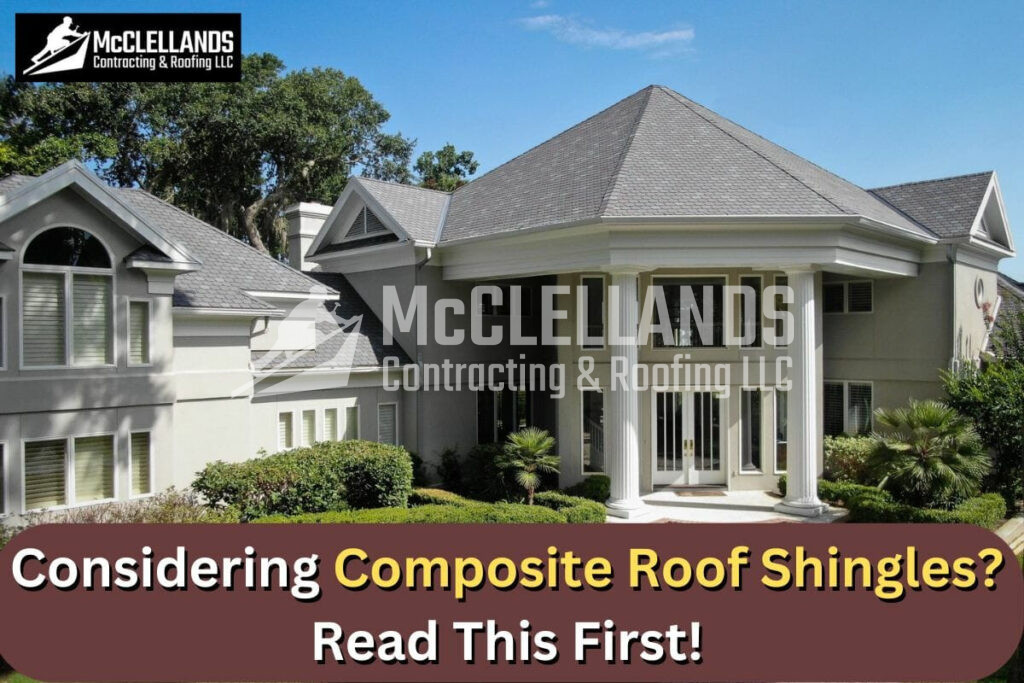
Are you planning to install new shingles or an all-new roofing system? As an industry expert, I can tell you that composite roofs are getting more popular by the day due to their numerous benefits. Do you want to know if composite roof shingles are a good option for you, too? In this blog post, we will go over everything you need to know about composite shingles, including their benefits, costs, and why homeowners are choosing this roofing material.
Why Were Composite Roofing Shingles Developed?
Composite shingles, also known as synthetic shingles, have emerged as a modern solution to longstanding challenges posed by traditional roofing materials like asphalt, wood, and slate. Homeowners were in search of options that combined durability, sustainability, and cost-effectiveness, which led to the innovation of composite shingles.
In an era where sustainability is a major concern, asphalt shingles often fall short of meeting eco-friendly standards. Composite shingles were specifically engineered as a sustainable alternative without compromising durability and aesthetic appeal.
History
The development of synthetic shingles traces back to the persistent efforts and ingenuity of pioneers in the roofing industry. Over time, technological advancements led to the inception of composite shingles. Notable manufacturers like Brava, CeDUR, and F-Wave have made significant contributions to shaping the reliability and longevity of these shingles.
Composition
Synthetic shingles are typically crafted from a blend of recycled plastics, rubber, wood fibers, and other materials. This combination results in a material that is strong, lightweight, eco-friendly, and visually appealing.
Let’s explore the benefits that come with this advanced roofing option.
How Do Composite Roof Shingles Benefit Homeowners?
Synthetic roofs have become a favorite among homeowners for many reasons. These modern roofing shingles offer a range of benefits that cater to both practical needs and aesthetic preferences.
1. Durability
Composite shingles are highly resilient and long lasting. They can handle various weather conditions like heavy rain, hail, snow, and strong winds. Their sturdy nature means they won’t easily crack or break, promising a longer life for your roof. With warranties stretching from 20 to 50 years, this is a roofing solution that’s here to stay.
2. Low Maintenance
Taking care of a composite roof is a breeze. Unlike wood or slate, which may demand regular treatments and checks, composite shingles need little pampering. A quick inspection for any issues and occasional cleaning usually does the trick to keep them in good shape.
3. Aesthetic Versatility
Synthetic roofing shingles come in a wide range of colors, styles, and textures, allowing you to pick a look that matches your home’s aesthetic. Whether you’re into that classic wood look or the grandeur of slate, these shingles can closely mimic various materials.
4. Eco-Friendly Option
Compared to other roofing materials, composite roof shingles are an eco-friendly choice. Most of these shingles are crafted from recycled materials like fiberglass, plastic, and rubber, giving a second life to what would otherwise end up in landfills. Plus, they have a long lifespan, meaning less frequent replacements and a smaller carbon footprint.
5. Energy Efficiency
Synthetic shingles from leading manufacturers are highly energy efficient. They reflect more sunlight and absorb less heat, which keeps the attic, and subsequently your home, at a lower temperature. A cooler attic translates to less AC use during those summer months.
6. Fire Resistance
You don’t need to worry about safety with a composite roof. These modern shingles usually come with a Class A fire rating, which is the highest level available. This is especially crucial if you live in areas prone to thunderstorms or wildfires.
7. Long Term Cost-Effectiveness
Sure, they might be more expensive initially, but in the long run composite shingle roofs are a smart investment that keeps giving back. Less maintenance, fewer repairs, and replacements mean more savings.
With all these perks, it’s no wonder why composite shingles have become the go to choice for many homeowners.
Talking about cost-effectiveness, you might be wondering how much these shingles cost after installation. So, let’s move on to the financial aspect.
The Cost of Installing Composite Roof Shingles
The cost of installing synthetic shingles can vary depending on several factors, such as the region you live in, the complexity of the roof, and the quality of the shingles. On average, homeowners can expect to pay approximately $4 to $8 per square foot for materials and installation.
To break it down further:
Material Cost
Composite shingles typically cost between $2 to $4 per square foot, and there are many high-end options that generally cost more.
Installation Cost
The installation cost per square foot can range from $4 to $6. This typically includes preparing the substrate, installation of the shingles, and cleaning the area afterward.
For a specific estimate, consult a reliable composite roofing contractor in your area. Try to obtain multiple quotes to compare the prices of both labor and materials.
When weighing your options, it’s also essential to compare this new roofing material against two other prominent choices: architectural shingles and tile roofs.
Composite Roofs vs. Architectural Shingles
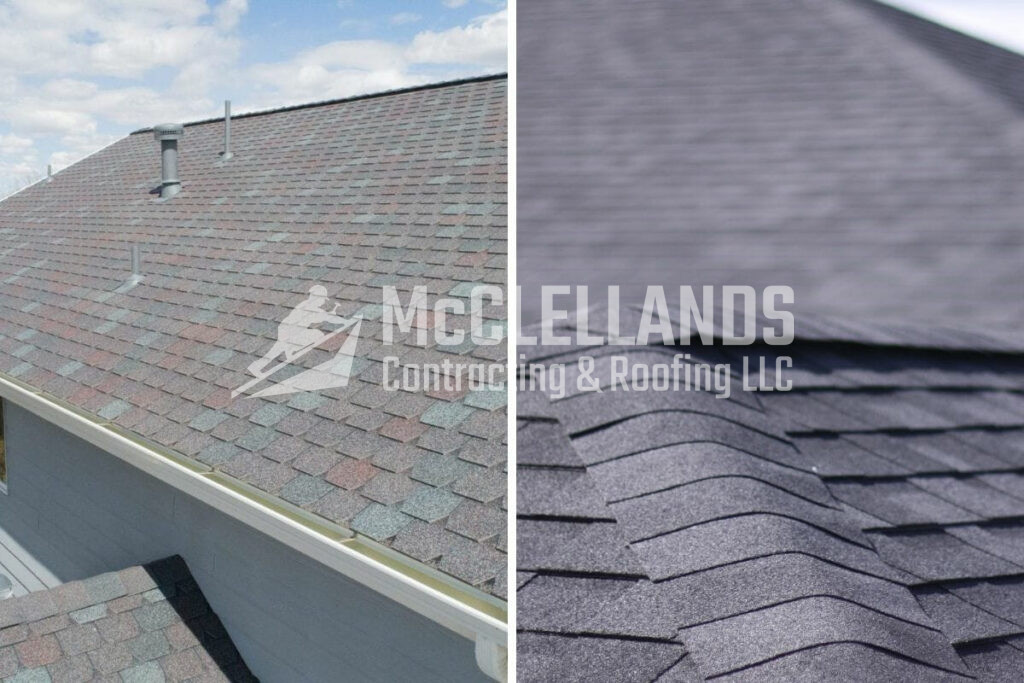
Architectural shingles, also known as dimensional and laminated shingles, have gained immense popularity in recent years due to their enhanced aesthetics and durability. Let’s delve deeper into how they compare with composite shingles.
Durability
Both synthetic and architectural shingles are durable, but synthetic roofs often have a slight edge in terms of impact resistance and longevity. They tend to withstand extreme weather conditions better.
Aesthetics
Dimensional shingles offer a traditional and textured appearance, but composite shingles provide a wider variety of styles and can mimic the look of other premium roofing materials like wood or slate.
Cost
The initial cost for laminated shingles is lower, making them more budget friendly initially. However, composite roofs often prove more cost-effective in the long run due to their low maintenance needs and increased durability.
Environmental Impact
Composite roof shingles, particularly those made from recycled materials, have a lower environmental impact compared to architectural asphalt shingles. Asphalt shingles undergo petroleum-based production, which is not considered eco-friendly.
Tile Roofs vs. Composite Shingles
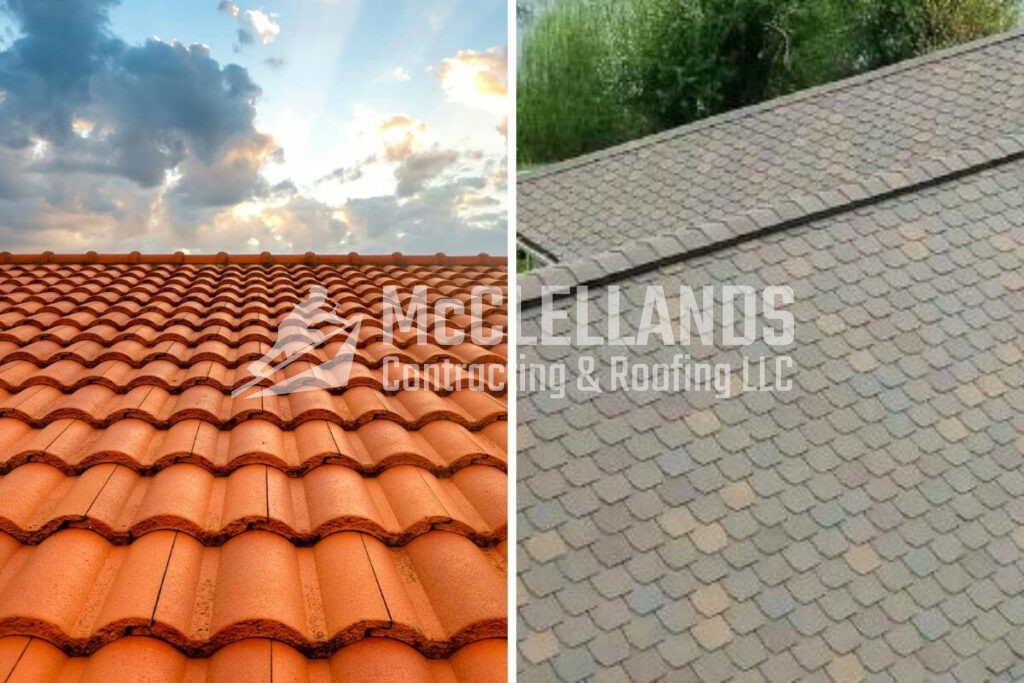
Tile roofs, with their distinct Mediterranean charm, have been adored by homeowners for their timeless appeal and durability. Now, let’s take a closer look at how clay and concrete tiles differ from composite shingles.
Durability
Clay tiles have a reputation for lasting longer, as they can last for at least 50 years, and sometimes even a century. As for synthetic shingles, they can also last for decades, approximately 40 to 50 years on average.
Weather Resistance
Tile roofs, particularly clay tiles, are excellent at withstanding harsh weather conditions. They are highly resistant to damage from hail, wind, and heavy rain. Composite shingles, while also weather resistant, may suffer some damage from severe hailstorms.
Aesthetics
Tile roofs offer a classic look associated with Mediterranean, Spanish, French, or Italian architecture. Only high end synthetic shingles can replicate the authentic look of natural clay and concrete tiles.
Weight and Cost
Tile roofs are heavier, requiring a sturdy roof structure for support. Installing them is also more labor intensive and time consuming compared to synthetic roofing shingles, making them potentially more expensive to install.
In weighing these comparisons, it’s clear that composite shingles strike a balance between durability, cost-effectiveness, and aesthetic versatility.
If you’re interested in installing this material, let’s explore the best synthetic shingles from leading manufacturers.
The Top 3 Composite Roof Shingles
Now that we’ve explored the nuances of composite shingles, let’s spotlight some of the top-notch options from leading manufacturers such as F-Wave, CeDUR, and Brava. These brands have consistently stood out in the market, providing homeowners with exceptional choices for their roofing needs.
#1 F-Wave Shingles
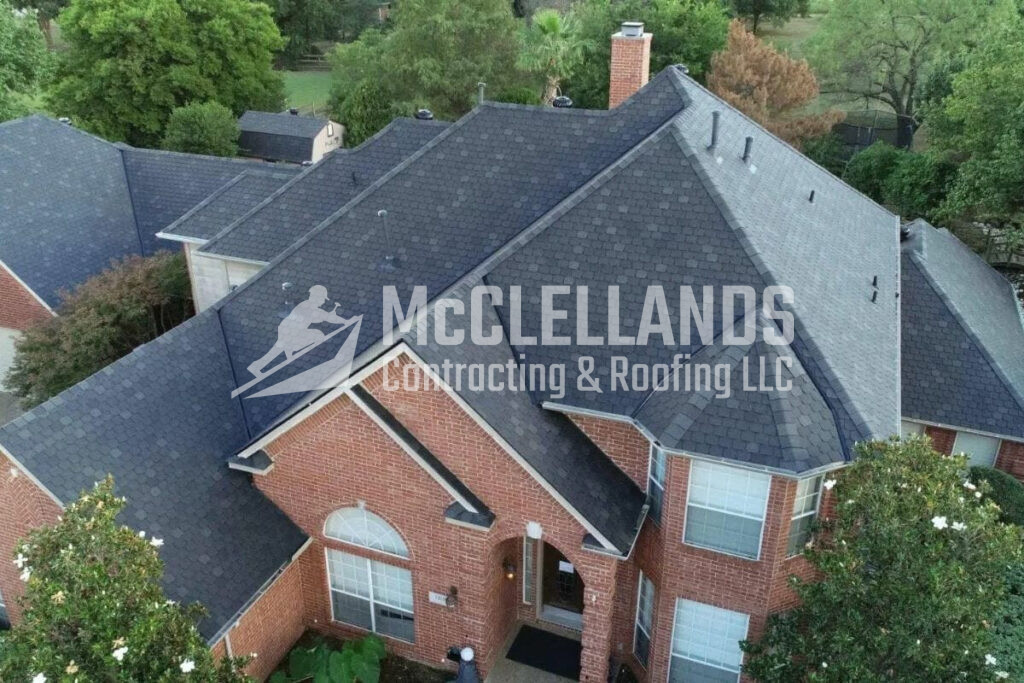
F-Wave takes pride in offering their Revia® synthetic shingles. They are known for their authentic look that closely resembles natural slate or wood, giving a premium appearance to your roof.
Here’s why F-Wave is a top choice:
- Unmatched Durability: Revia synthetic shingles are engineered for durability, along with impact and wind resistance.
- Improved Aesthetics: F-Wave shingles come in a variety of styles and colors, allowing homeowners to achieve any desired look for their homes.
- Sustainability: Made from eco-friendly materials, F-Wave shingles are a sustainable choice that supports environmentally conscious homeowners.
#2 CeDUR Shingles
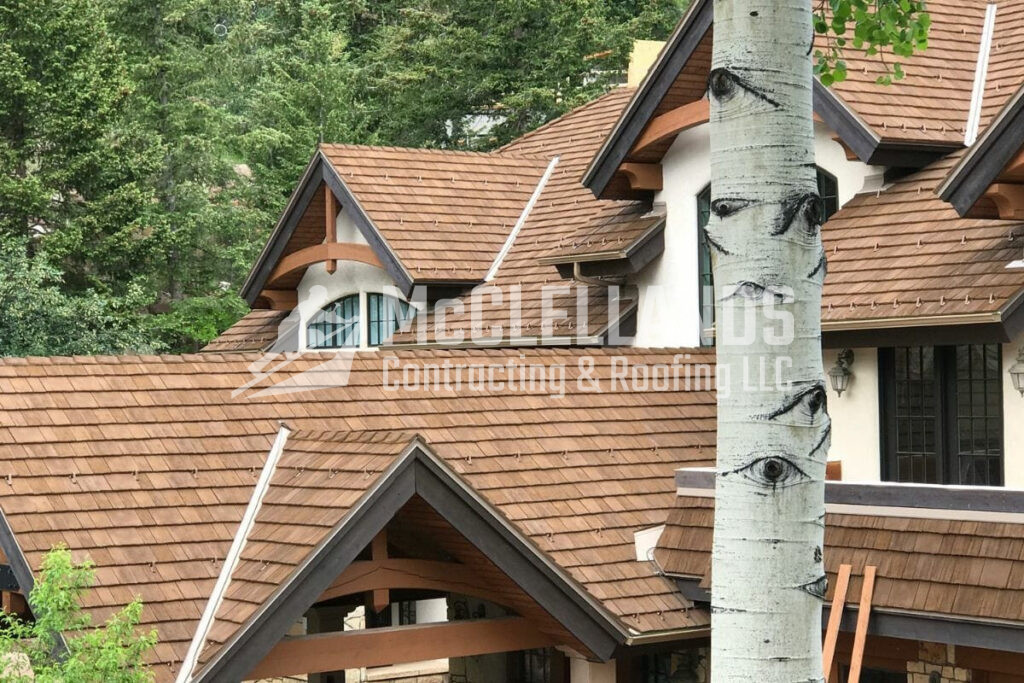
CeDUR offers an innovative alternative to traditional roofing materials with their synthetic cedar shakes. These shingles replicate the look of natural cedar, providing a rustic and charming appearance.
Consider CeDUR shingles for these reasons:
- Authentic Appearance: CeDUR’s synthetic wood shakes and shingles closely resemble the texture and appearance of natural cedar shakes, giving your home a classic aesthetic.
- Weather Resistance: Their shingles are designed to endure extreme weather conditions, including high winds, heavy rain, and hail.
- Low Maintenance: Being resistant to rot and pest infestations, these composite wood shingles require minimal maintenance, saving you time and effort in the long run.
#3 Brava Roofing Tiles
Brava offers composite roof tiles that imitate the beauty of traditional high end roofing materials such as clay and slate tiles. Brava roof tiles are a fantastic choice for homeowners looking for elegance and endurance.
Here’s what makes Brava stand out:
- Design Variety: Brava provides a wide range of tile designs, enabling homeowners to match their roofs to various architectural styles.
- Impact Resistance: Brava’s synthetic roof tiles are engineered to resist damage from impacts, making them a durable choice for various climates.
- Eco-Friendly: All Brava roofing tiles are made from recycled and sustainable materials, ensuring an environmentally conscious roofing solution.
Considering these exceptional features, choosing high-quality composite shingles offers you a durable and aesthetically pleasing roof that adds value and style to your home.
If you need help selecting the best roofing shingles in Pennsylvania, our team is here to help.
Explore the Best Roofing Shingles in Pennsylvania!
At McClellands Contracting and Roofing, we’ve been installing beautiful composite shingles for years. If you want to explore this exciting roofing option for your home, we’d be happy to work with you. We’re proud to be experts who’ve helped numerous homeowners install safe and durable synthetic roofs within their budget. Call us at (412) 353-5660 and let us help you get started on your roof replacement project in Pennsylvania.