

 Residential
 Commercial
 Interior
 Exteriors
 Service Areas
 Contact Us
Essential Guide to Drip Edge Maintenance and Repair for Pittsburgh Homeowners
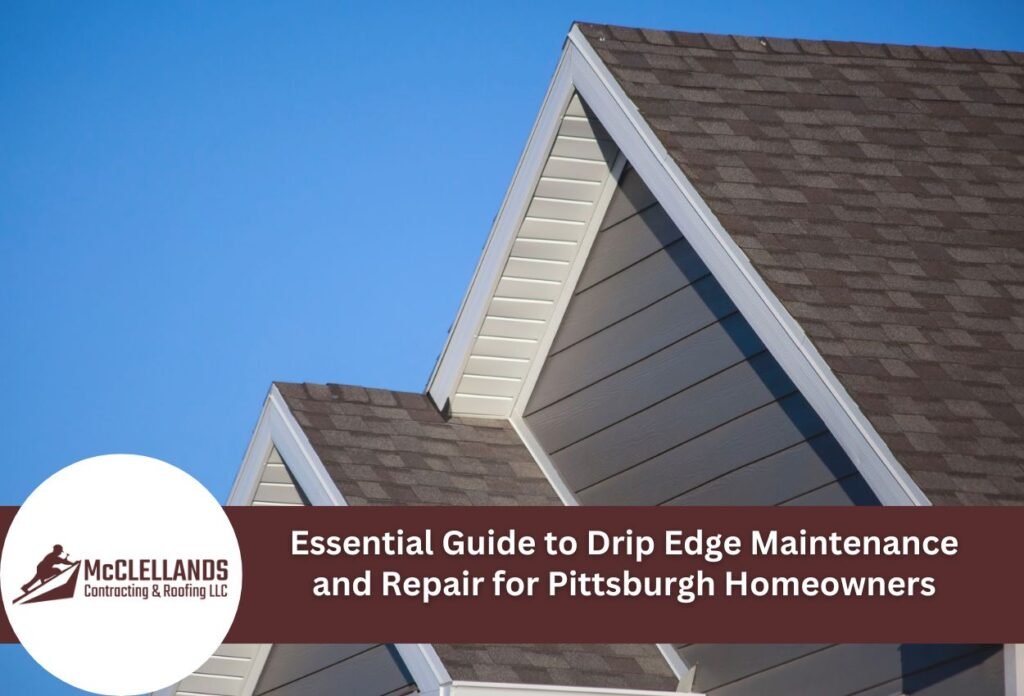
Drip edges serve as your home’s first line of defense against water damage, directing moisture away from fascia boards and roof decking, and into gutters. These L-shaped metal strips installed along roof perimeters prevent water from seeping under shingles and causing structural problems. Pittsburgh’s harsh winters and heavy precipitation make drip edge maintenance and repair particularly crucial for protecting homes from water infiltration. Gutter drip edge integration plays a vital role in overall water management systems, ensuring proper drainage away from your home’s foundation.
Most homeowners overlook these critical components until problems emerge. Damaged or missing drip edges can lead to rotted fascia boards, compromised roof decking, and basement flooding during heavy storms. Regular inspections often reveal common roof drip edge problems, including corrosion, separation from gutters, and improper installation angles that reduce effectiveness.
Understanding when drip edge replacement becomes necessary vs. simple repairs saves both time and money. Minor issues like loose fasteners or small gaps often require basic maintenance, while extensive corrosion or structural damage typically needs professional attention. This guide gets into detail about common causes of drip edge damage and repair techniques, helping homeowners plan for these essential tasks.
Identifying Common Drip Edge Problems Before They Cause Damage
Early detection of drip edge issues prevents minor problems from turning into expensive structural damage. Regular visual inspections help homeowners spot warning signs that indicate immediate attention is needed for their roof edge protection systems.
Start by examining drip edges from ground level using binoculars to identify rust spots, sagging sections, or gaps between the metal and roofline. Look for brown or orange discoloration, indicating corrosion that compromises the metal’s integrity. Check for loose or missing fasteners that allow sections to pull away from the roof deck. Damaged roof edge flashing repair becomes necessary when you notice bent, cracked, or separated metal pieces that no longer maintain proper water-shedding angles.
Pittsburgh’s freeze-thaw cycles create specific challenges for drip edge maintenance and repair. Ice formation along roof edges can bend or tear metal components, while spring snowmelt reveals accumulated debris that blocks proper drainage. Watch for icicle formation directly above gutters, which often signals gutter drip edge separation or improper alignment that allows water to bypass the system.
Inspect areas where drip edges meet gutters, as this connection point frequently develops gaps that allow water infiltration behind fascia boards. Seasonal debris accumulation from falling leaves and wind-blown materials can create dams that force water under shingles. These roof drip edge problems typically worsen during winter when frozen blockages prevent normal drainage patterns.
Step-by-Step Drip Edge Inspection and Assessment Process
Inspecting your drip edge safely and thoroughly requires specific tools and a step-by-step approach. Basic equipment includes binoculars for ground-level examination, a sturdy extension ladder, a flashlight, a measuring tape, and a camera for documentation purposes.
Begin your ground-level inspection by walking the home’s perimeter during daylight hours, examining all visible roof edges through binoculars. Focus on joints where sections connect, looking for gaps, rust stains, or bent metal that indicates roof drip edge problems. Check gutter drip edge alignment by observing how water flows during rain, noting areas where runoff bypasses gutters or creates splashes near the foundation.
Ladder-based inspections allow homeowners to closely examine problem areas identified from ground level. Position ladders on stable, level surfaces and maintain three-point contact while climbing. Examine fasteners, measuring any gaps between the drip edge and the roof deck that appear to exceed manufacturer specifications. Document damage requiring immediate drip edge replacement vs. areas needing minor adjustments.
Document all issues using numbered photographs corresponding to written notes describing each problem area’s location and severity. Establish urgency levels categorizing issues as immediate safety concerns, seasonal maintenance needs, or long-term monitoring situations. Mark critical areas where water infiltration risks are highest, typically at corners, joints, and gutter connection points. This organized approach enables prioritized scheduling of professional drip edge services based on actual damage severity rather than guesswork.
DIY Drip Edge Maintenance Tasks that Homeowners Can Handle
Regular maintenance keeps drip edge systems functioning properly and extends their service life significantly. Homeowners can perform several routine tasks safely without requiring professional drip edge services, focusing on preventive care that addresses issues while they are still minor.
Seasonal cleaning is one of the most important maintenance activity for roof edge protection. Remove accumulated leaves, twigs, and debris using a soft-bristled brush or plastic scraper, working carefully to avoid scratching protective coatings on metal surfaces. Clear ice buildup during winter months using warm water or calcium chloride ice melt, avoiding rock salt or harsh chemicals that cause corrosion. Clean debris from gutter drip edge connections where blockages commonly redirect water flow behind fascia boards.
Minor adjustments address loose sections without requiring complete drip edge replacement. Tighten loose fasteners using appropriate screwdrivers or socket wrenches, ensuring proper alignment with roof decking. Replace missing screws with corrosion-resistant fasteners that match the originals. Straighten slightly bent sections using gentle pressure applied with padded pliers, taking care not to create stress fractures in the metal.
Apply preventive treatments, including rust inhibitor sprays, on areas showing early signs of corrosion and sealants at joints showing minor separation. These roof edge flashing repair techniques prevent water infiltration while maintaining system integrity. Call professionals for help with roof drip edge problems that exceed your basic maintenance capabilities, particularly those involving structural attachment points or extensive corrosion.
Professional Drip Edge Repair Techniques and When to Use Them
Professional repair methods become necessary when drip edge damage exceeds basic maintenance capabilities or poses immediate structural risks. Experienced contractors utilize specialized techniques and materials that ensure long-lasting repairs while maintaining proper water management throughout the roof system.
Patching holes in drip edge sections requires precise metal cutting and soldering skills to create watertight seals. Professional techniques include cutting replacement pieces from matching gauge metal, applying roofing cement backing, and securing patches with corrosion-resistant fasteners. This roof edge flashing repair method works effectively for punctures or small gaps while maintaining the original profile necessary for proper water shedding. Contractors assess whether patching provides adequate durability or if complete drip edge replacement offers better long-term value.
Replacing bent areas involves careful removal of damaged sections without disturbing adjacent roofing materials or compromising structural integrity. Professional drip edge installation includes measuring existing profiles, cutting replacement pieces with proper overhang dimensions, and seamlessly integrating the new material with surrounding components. Specialists use brake-forming tools to create custom angles matching original specifications when standard profiles cannot accommodate unique roof configurations.
Fixing separation from fascia boards requires identifying underlying causes such as wood rot, inadequate fastening, or thermal expansion issues. Advanced techniques include installing additional backing strips, upgrading fastener systems, and applying flexible sealants that accommodate seasonal movement. A professional assessment determines whether gutter drip edge problems stem from improper installation angles and if they require complete system realignment for optimal water flow.
Drip Edge Replacement Guidelines and Best Practices
Determining whether to repair or replace drip edge systems requires evaluating the extent of the damage and the estimated remaining lifespan of the material. Complete drip edge replacement becomes the preferred option when corrosion affects more than 30% of the system, multiple sections show structural failure, or repeated repairs prove ineffective.
Age is a crucial factor in replacement decisions, as older steel systems typically warrant complete drip edge installation with modern materials that have superior corrosion resistance. Aluminum and copper options provide enhanced durability against Pittsburgh’s variable weather conditions, while vinyl alternatives offer budget-friendly solutions for specific applications. Consider roof age when selecting materials, ensuring new drip edges will last through the roof’s remaining lifespan.
Installation begins with the complete removal of existing components and an inspection of the underlying fascia boards and roof decking for damage. The new material is positioned with consistent overhang measurements, typically extending ¾-inch beyond fascia boards to ensure effective water management. Professional drip edge installation includes precise measurements, ensuring complete coverage of the fascia while maintaining secure attachment to the roof decking.
Fastening techniques utilize corrosion-resistant screws spaced according to manufacturer specifications, typically every 12 to 16 inches along the system length. Coordination with roofing materials requires careful integration with shingles, underlayment, and gutter drip edge connections to create seamless protection against water damage. Proper sequencing ensures each component is installed correctly, preventing roof drip edge problems that compromise the entire system.
Long-Term Maintenance Strategies to Maximize Drip Edge Performance
Developing comprehensive maintenance schedules ensures drip edge systems continue protecting homes effectively throughout their entire service life. Strategic planning prevents emergency repairs while maximizing your return on a new drip edge installation through proactive, seasonal care.
Annual maintenance schedules should include spring inspections following winter, focusing on ice damage and debris accumulation. Summer maintenance involves cleaning and minor adjustments, while fall preparation includes gutter clearing and fastener tightening before harsh weather arrives. Winter monitoring identifies ice dam formation and drainage issues requiring immediate attention to prevent structural damage.
Seasonal preparation tasks vary based on Pittsburgh’s climate patterns, with particular emphasis on winter weather protection. Pre-winter activities include applying rust inhibitor treatments, ensuring gutter drip edge alignment, and removing debris that could freeze and block drainage pathways. Spring preparation involves documenting any roof drip edge problems that developed during the winter months and scheduling necessary repairs before the next weather cycle begins.
Integration with overall roofing system maintenance often creates a more affordable service while ensuring comprehensive property protection. Coordinate drip edge maintenance and repairs with annual roof inspections, gutter cleaning services, and downspout maintenance to maximize contractor efficiency. Schedule professional assessments every three to five years, or immediately following severe weather events. This approach identifies potential problems early while maintaining optimal water management throughout the entire roof system.
Expert Drip Edge Maintenance and Repair in Pittsburgh
At McClellands Contracting and Roofing, LLC, we understand the critical role that a properly maintained drip edge plays in protecting your Pittsburgh home from water damage. Drip edges are essential for directing water away from your roof and foundation, preventing expensive repairs and extending the lifespan of your roof. If you’ve noticed signs of wear and tear, or if it’s just time for a routine check-up, don’t wait to contact professionals for help.
Call us today at (412) 353-5660 to schedule a professional inspection or repair. Our skilled team is equipped to handle everything from minor adjustments to complete drip edge replacements, ensuring your home stays safe and dry regardless of the season. Trust McClellands Contracting and Roofing, LLC for all your roofing needs and experience the peace of mind that comes with expert service.