

 Residential
 Commercial
 Interior
 Exteriors
 Service Areas
 Contact Us

Roof trim plays a critical role in protecting your home from water damage while giving your roofline a polished, professional appearance. Understanding the different types of roof trim and their functions, including the differences in trim vs. fascia, can help you maintain your home’s exterior and make informed decisions about roof repair or roof replacement projects.
What Is Roof Trim?
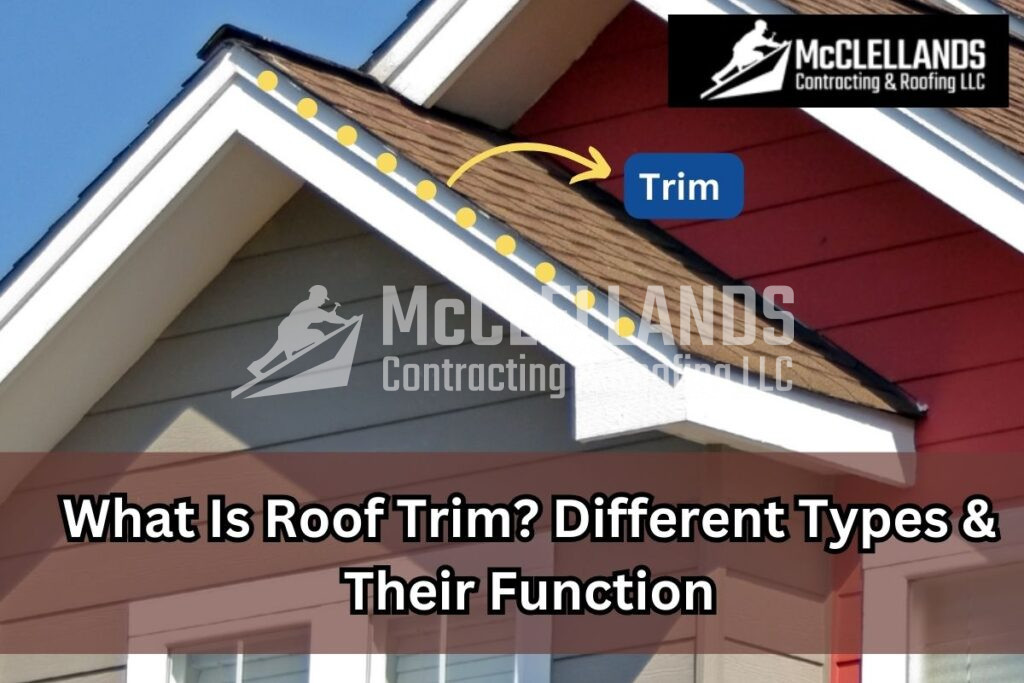
Roof trim refers to the materials installed along a roof’s edges, intersections, and transitions to create weathertight seals and finished appearances. This essential component covers vulnerable areas around chimneys, skylights, and other roof penetrations, preventing moisture intrusion while defining your home’s architectural lines.
Roof trim serves both functional and aesthetic purposes. It acts as your roof’s first line of defense against water infiltration, protecting the underlying structure from rot, decay, and deterioration. Without proper roof trim, even a well-installed roof can suffer premature failure due to water damage at vulnerable connection points.
Types of Roof Trim by Function
| Roof Trim Type | Location | Primary Function | Key Benefits |
|---|---|---|---|
| Fascia Trim | Horizontal boards capping rafter ends along roof edge | Protects rafter ends and provides gutter mounting surface | Prevents moisture intrusion, supports gutter system, enhances curb appeal |
| Edge Trim | Along eaves and rakes at roof’s exposed edges | Directs water away from fascia into gutters | Prevents water infiltration under shingles, protects fascia boards |
| Gable Trim | Triangular sections at vertical roof ends | Frames gable areas and covers gaps | Adds architectural interest, protects exposed edges |
| Flashing Trim | Where roof meets walls, dormers, chimneys, vents, skylights | Creates watertight seals at roof intersections | Prevents leaks at vulnerable connection points |
Fascia Trim
Fascia trim consists of horizontal boards that cap the ends of your roof’s rafters along the edge. This roof trim component creates a smooth transition from the roof to the exterior walls while protecting the rafter ends from weather exposure. The fascia also provides a mounting surface for gutter systems, making it integral to your home’s water management system. Soffit and fascia installation work together to ventilate your attic space while keeping out pests and moisture.
Edge Trim
Edge trim, also called drip edge, protects the exposed edges along your roof’s eaves and rakes. This roof trim directs water away from the fascia boards and into the gutters, preventing moisture from working its way under the shingles. Most edge trim is made from aluminum or vinyl due to their durability, low maintenance requirements, and resistance to corrosion. During a roof installation, edge trim is one of the first components installed to establish a solid foundation for the entire roofing system.
Gable Trim
Gable trim frames the triangular sections at your roof’s vertical ends where two sloping roof planes meet. This roof trim covers gaps and protects exposed edges while adding architectural interest to your home’s exterior. Gable trim comes in various profiles and materials to complement different home styles, from traditional to contemporary designs.
Flashing Trim
Flashing trim represents the most critical type of roof trim for preventing leaks. These bent metal pieces create watertight seals where your roof meets walls, dormers, chimneys, vent pipes, and skylights. Proper flashing trim installation requires precision and expertise to ensure water flows away from vulnerable joints rather than penetrating the roof structure. Without adequate flashing, even minor gaps can lead to significant water damage inside your home.
Roof Trim Materials
Vinyl Roof Trim
Vinyl offers a cost-effective, low-maintenance solution for roof trim applications. Modern vinyl roof trim can replicate the appearance of wood while providing superior resistance to moisture, rot, and insect damage. It’s available in multiple colors and never requires painting, making it ideal for homeowners seeking durable, affordable options.
Metal Roof Trim
Metal roof trim, typically manufactured from aluminum or galvanized steel, delivers exceptional longevity and weather resistance. This roof trim material won’t warp, crack, or deteriorate like some alternatives, and it complements various roofing materials from asphalt shingles to metal roofing systems. Metal roof trim excels at resisting corrosion while maintaining structural integrity through decades of exposure to the elements.
Wood Roof Trim
Wood roof trim, crafted from cedar or treated pine, provides classic aesthetic appeal and natural beauty. While wood requires more maintenance than synthetic alternatives, it offers unmatched character and can be customized through staining or painting. When properly treated and maintained, wood roof trim delivers reliable protection while enhancing your home’s traditional architectural features.
How to Install Roof Trim
Installing roof trim requires attention to detail and proper technique to ensure effective protection. While the basic steps remain consistent across applications, the specific approach varies depending on the roof component being trimmed.
- Lay a waterproof membrane over the installation area before positioning any roof trim
- Press each trim piece firmly into place and secure it with corrosion-resistant nails or screws
- Drive fasteners through the center of elongated slots to allow for thermal expansion and contraction
- Leave small gaps between trim sections to accommodate movement without buckling
- For overlapping pieces, notch one section to create a snug fit, apply sealant, and slide the pieces together
- Cut excess trim to the proper length using appropriate tools for a clean, professional appearance
Proper installation prevents water infiltration while ensuring your roof trim performs optimally for years. For complex installations or roof repair projects, professional installation ensures code compliance and manufacturer warranty protection.
How to Remove Roof Trim
Removing roof trim requires care to avoid damaging the underlying structure or surrounding materials:
- Locate the trim piece to be removed along the roof edge or fascia board
- Position your hands under the trim’s flange or lip
- Gently pull upward while sliding your hands along the trim’s length to avoid breakage
- For flexible sections, apply moderate force while pulling directly away from the mounting surface
- Work progressively along the entire length, using a pry bar carefully on stubborn sections
- Collect all fasteners and brackets after removal for proper disposal or reuse
Maintaining Your Roof Trim
Regular roof trim maintenance protects your investment and extends the life of your entire roofing system:
- Inspect roof trim at least twice annually for cracks, splits, or loose fasteners that require immediate attention
- Clean all trim surfaces yearly using a soft brush, mild soap, and water to remove debris and prevent deterioration
- Repaint or reseal wood trim every few years to maintain weather protection
- Ensure adequate roof ventilation to prevent moisture accumulation around trim components
- Trim back overhanging branches that could scrape against roof trim during windy conditions
- Tighten loose fasteners promptly and seal any gaps with appropriate caulking materials
- Replace severely damaged trim sections before minor problems escalate into major repairs
Maintaining roof trim prevents small issues from developing into costly structural problems. Regular roof inspections can identify trim problems early, allowing for timely repairs that protect your home.
If you need professional roof trim installation, repair, or replacement in Pittsburgh and surrounding areas, McClellands Contracting and Roofing delivers expert craftsmanship backed by industry-leading warranties. Our skilled team understands how proper roof trim installation protects your home’s structural integrity while enhancing its curb appeal. From routine maintenance to complete roof replacement, we use premium materials and proven techniques to ensure lasting results that exceed your expectations.