Western PA's #1 For Roofing & Interiors
Western PA's #1 For Roofing & Interiors
Western PA's #1 For Roofing & Interiors

North Fayette Township gets hit from just about every direction when it comes to weather. Winters bring heavy snow and repeated temperature changes that wear down traditional roofing materials faster than most homeowners expect. Summers bring humidity and rainfall that push past 50 inches a year, spread across well over 150 days of precipitation. The hilly terrain and tree cover throughout the township also channel wind-driven rain straight into vulnerable roof seams and edges. For homes near local runs and low-lying areas, a failing roof is not just an inconvenience. It can lead to leaks, structural damage, and expensive repairs that could have been avoided with a better material choice from the start.
Metal roofing addresses these conditions directly. It sheds snow cleanly, resists moisture, and handles the temperature changes that come with each passing season without cracking or warping the way asphalt shingles often do. For homeowners in North Fayette Township, it is one of the most practical long-term investments you can make in your property. McClellands Contracting and Roofing, LLC works with local homeowners who want a roof built to hold up in this specific environment, not just something that looks good for a few years before problems start showing up.
Getting a new metal roof is a significant investment, and knowing what to expect helps the project run smoothly from start to finish. Here’s how the process unfolds.
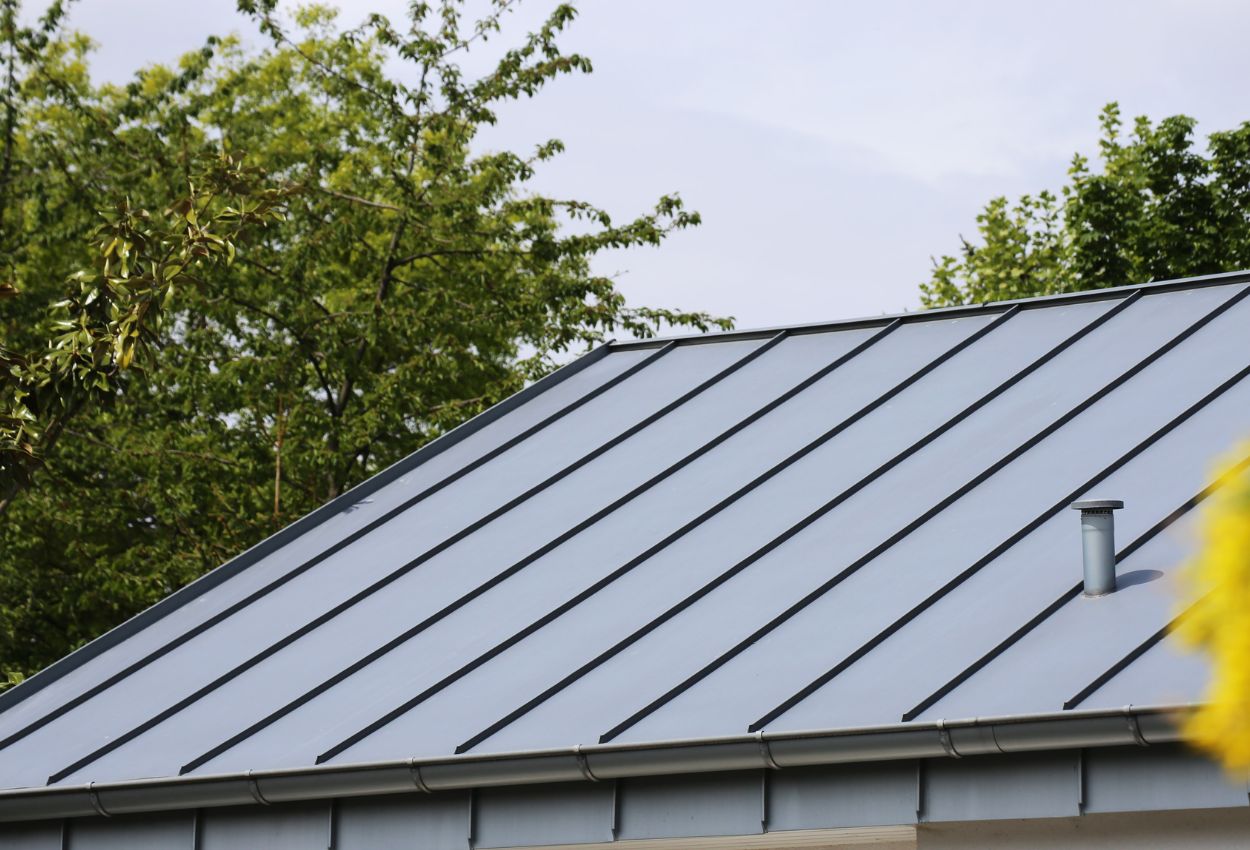
Picking the right metal roof profile and gauge matters more than most people realize, especially given the wet seasons and temperature changes common across this part of Allegheny County. The options below reflect what actually gets installed on homes here, and understanding the differences can help you make a more confident choice before your project begins.
| Profile Type | Gauge Options | Paint Warranty | Best Suited For |
|---|---|---|---|
| Standing Seam | 26 gauge | Up to 40 years | Steep-slope roofs on hilly terrain |
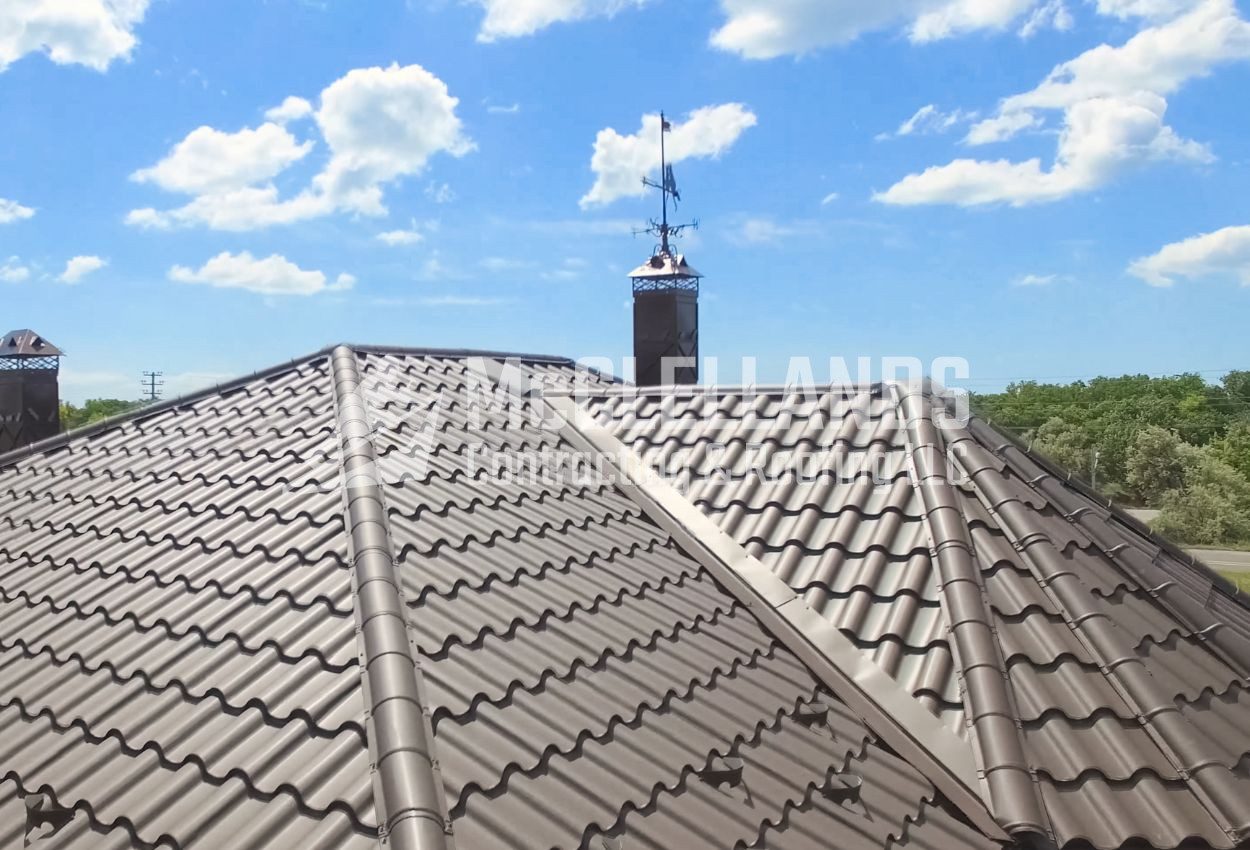
| PBR Panel | 26 or 28 gauge | Up to 40 years | Wider spans with strong fastening needs |
| Custom-Cut Panels | 26 or 28 gauge | Up to 40 years | Irregular roof shapes and angles |
Beyond profile and gauge, two local factors shape how your system is built. First, proper underlayment and insulation layers reduce noise from snow sliding off the roof, which is a real concern for homeowners in wooded areas with heavy winter accumulation. Second, coordinating your metal roof installation with soffit and fascia board work protects against moisture trapping along the roof edges, particularly where tree cover keeps surfaces damp through the season. Permits in North Fayette Township account for wind and elevation standards, and your installation plan should reflect both before work begins.
The combination of wet seasons, shifting temperatures, and terrain-driven wind exposure puts real pressure on residential roofing over time. Metal handles pressure far better than most traditional materials, and homeowners who make the switch typically stop dealing with the cycle of patches and repairs that older asphalt roofs tend to require. Getting your installation scheduled before the heaviest weather arrives also gives the system time to seat properly, so you start the season with a roof you can count on rather than one you are watching closely.
McClellands Contracting and Roofing, LLC, helps homeowners in North Fayette Township, PA, protect their homes with metal roof installations built for this specific environment. If you are ready to take the next step, reach out to request an inspection or get a detailed quote for your property. We are here to help you make a well-informed decision, at whatever pace makes sense for you.
Got questions about your roof? We’ve got answers. From maintenance tips to insurance claims and repair timelines, our FAQ section covers the most common concerns homeowners have. Get informed and make confident decisions about protecting your home.
Yes, and it is something worth discussing before you choose a panel type. Steeper pitches shed water and snow more aggressively, which means the structural integrity of the seam and fastener placement matter even more than on a flat suburban roof. Standing seam panels tend to perform well on steep-slope applications because the raised seams keep water away from the fastener points entirely, reducing the chance of leaks developing over time.
This is one of the most common concerns homeowners bring up, and the honest answer depends on how the system is installed. A properly layered installation with solid roof decking and quality underlayment beneath the panels absorbs a significant amount of sound, and most homeowners report that noise is not an issue once everything is in place. Skipping or cutting corners on underlayment is where noise problems actually come from, not the metal itself.
If you are planning any work on your gutters, soffit, or fascia boards, it makes sense to schedule that alongside your roof installation rather than treating it as a separate project. Having everything addressed in the same window means the crew can make sure all the edge details are sealed and fitted correctly as a system, rather than working around existing pieces that may not align with the new roof profile. It also reduces the chance of moisture finding a gap along the roofline after the main installation is complete.


 Residential
 Commercial
 Interior
 Exteriors
 Service Areas
 Contact Us