Western PA's #1 For Roofing & Interiors
Western PA's #1 For Roofing & Interiors
Western PA's #1 For Roofing & Interiors

McKeesport gets hit hard by the weather. Sitting in the Monongahela Valley, the area sees around 40 inches of annual snowfall and well over 150 days of precipitation each year. That kind of consistent moisture is tough on any roof, but it's especially punishing on the older housing stock that defines so much of this community. Many homes here were built in the early 1900s, and the traditional asphalt shingles that cover them were never designed to hold up indefinitely against the cycle of wet summers, heavy snow, and the sharp temperature changes that western Pennsylvania delivers season after season. When those materials start to fail, the leaks and structural damage that follow can turn a straightforward roofing problem into something far more expensive.
Metal roofing addresses these challenges in a way that traditional materials simply can't match. Metal sheds water and snow efficiently, holds up against temperature changes without cracking or warping, and is built to last for decades with minimal upkeep. McClellands Contracting and Roofing, LLC has worked with McKeesport homeowners long enough to understand exactly what the local weather needs from a roofing system. That experience shapes every new roof installation, from the materials selected to the details that keep your home protected through every season the valley throws at it. Upgrading to metal isn't just a repair. It's a long-term investment in your property.
The installation of a metal roof follows a sequence of structural evaluation, planning, and mechanical assembly to protect a building.
Choosing the right metal roof profile matters more than most people realize, and the local weather conditions here make that decision even more important. McKeesport's wet winters, heavy snow, and humid summers put real needs on any roofing system. The table below breaks down the two primary metal roofing profiles and how each holds up against the conditions you're dealing with.
| Profile Type | Best Application | Local Performance Advantage |
|---|---|---|
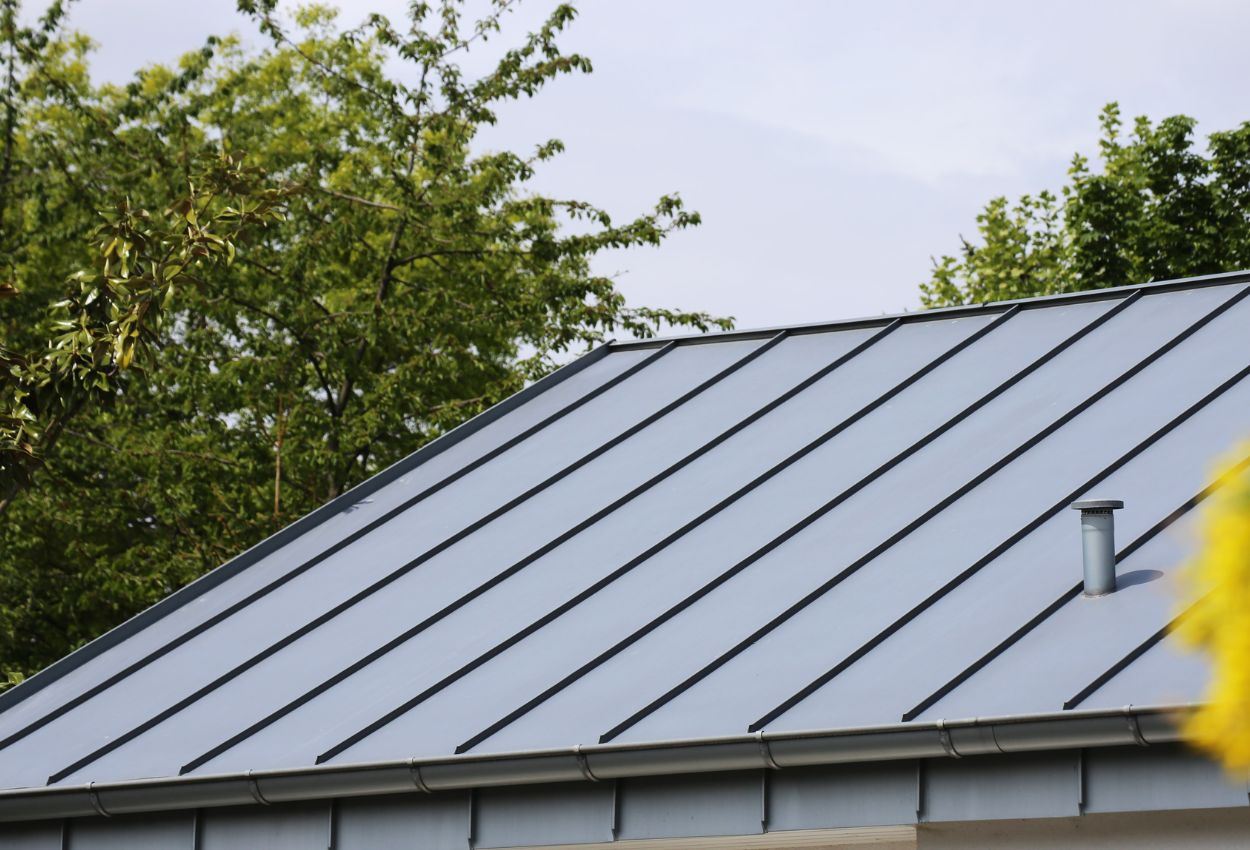
| Standing Seam | Residential and commercial | Concealed fasteners reduce leak points and sheds snow efficiently without surface interruption |
| Ribbed Panels | Commercial and utility structures | Cost-effective durability; handles precipitation well on lower-pitched rooflines |
Beyond profile selection, a few other factors shape your installation. Metal roofing reflects radiant heat during humid Pennsylvania summers, which helps keep attic temperatures down and reduces cooling needs. Wind resistance is also a real consideration in the valley, where storm gusts can stress exposed fasteners over time. Standing seam systems address this particularly well. Local permit requirements for new metal roofing systems vary by municipality, and McClellands handles the permitting process so you're not left navigating that paperwork on your own. Getting those details right from the start protects your investment and keeps the project on schedule.
The weather in the Monongahela Valley is not gentle, and older homes here have taken the brunt of it for decades. A properly installed metal roof changes that equation for good. It handles standing moisture, sheds heavy snow without absorbing it, and holds up through repeated temperature changes without the gradual breakdown that shortens the life of traditional materials. For homeowners in the McKeesport area, that kind of durability means fewer repairs, less maintenance over time, and confidence that your home is protected no matter what the season brings. Scheduling your installation before winter arrives is a smart way to get ahead of the conditions that put the most stress on aging rooflines.
McClellands Contracting and Roofing, LLC understands the structural realities of regional construction and brings that knowledge to every project. When you are ready to move forward, reach out to schedule a roof inspection and project consultation. We are glad to help you find the right solution for your home.
Got questions about your roof? We’ve got answers. From maintenance tips to insurance claims and repair timelines, our FAQ section covers the most common concerns homeowners have. Get informed and make confident decisions about protecting your home.
This is one of the most common concerns homeowners raise, and the answer depends a lot on how the installation is done. When metal panels are installed over a solid roof deck with proper underlayment, sound is significantly reduced and often no louder than what you hear with asphalt. In McKeesport, where spring and summer storms can drop heavy rain fast, a well-installed metal roof actually holds up quieter than many people expect.
Older construction in McKeesport often means irregular framing, aged roof decking, or previous layers of material that need to be addressed before a new system goes on. The roof deck has to be structurally sound before metal panels are attached, and homes from that era sometimes reveal surprises once the old materials come off. That is exactly why a thorough inspection of the underlying structure happens before anything else on the job.
Those transition points are where most roof failures actually start, regardless of the material on top. With metal roofing, the flashing details at chimneys, valleys, and gaps require precise work to make sure water cannot find a path behind the panels. Getting those connections right matters far more than the panel itself, and it is one of the key differences between an installation that lasts decades and one that causes problems within a few years.


 Residential
 Commercial
 Interior
 Exteriors
 Service Areas
 Contact Us