Western PA's #1 For Roofing & Interiors
Western PA's #1 For Roofing & Interiors
Western PA's #1 For Roofing & Interiors

McKeesport gets a steady dose of wet weather throughout the year, with annual rainfall typically landing somewhere between 38 and 42 inches. Add in winter snow, and the repeated temperature changes that come with living in western Pennsylvania, and your gutters are under pressure more often than you might realize. Older homes in this part of the Mon Valley were often built with narrower roof edges and drainage layouts that were never designed for the wear that decades of rain, snowmelt, and shifting temperatures bring. When gutters start to pull away from the fascia boards, develop leaking seams, or overflow regularly, the water has to go somewhere, and it usually heads toward your foundation, walkways, or basement.
Gutter replacement done right puts that drainage back where it belongs, away from your home and moving in a controlled direction. For properties on sloped lots or near low points in the terrain, that matters even more. Water moves fast when the ground is already saturated, and a gutter system that cannot keep up turns a rainy stretch into a real problem for your foundation and landscaping. McClellands Contracting and Roofing, LLC works with homeowners across McKeesport who are dealing with exactly these kinds of aging exterior drainage issues, and the team understands what these older homes need to handle this region’s wet seasons and cold winters reliably.
A gutter replacement depends on more than removing the old channels and attaching new ones. McClellands Contracting and Roofing, LLC evaluates drainage, mounting surfaces, and the home’s layout before determining how the replacement should be configured.
Knowing when to replace your gutters and what conditions to watch for can save you from bigger repairs down the road. McKeesport’s wet seasons and cold winters put steady pressure on older gutter systems, and the right timing makes a real difference in how the installation holds up.
| Season | Local Conditions | What It Means for Your Gutters |
|---|---|---|
| Spring | Heavy rainfall, snowmelt runoff | Overflow and seam separation become visible: good time to identify failing sections |
| Summer | Wettest stretch of the year, especially June | High water volume tests drainage capacity: weak downspouts and sagging runs show up quickly |
| Fall | Moderate temperatures before winter sets in | Best window for replacement: new gutters can settle and fasten firmly before cold weather arrives |
| Winter | Lows in the low 20s, snow, ice buildup | Temperature changes stress fasteners and seams: existing damage gets worse, and replacement becomes harder to schedule |
Fall is generally the most practical time to replace gutters in McKeesport. Getting a new system in place before temperatures drop protects your fascia board and foundation from the repeated stress that winter runoff and melting snow bring to older homes. That said, replacements completed in late spring or summer still give your property reliable drainage through the year’s wettest stretch, which matters on sloped lots where water moves fast toward lower ground.
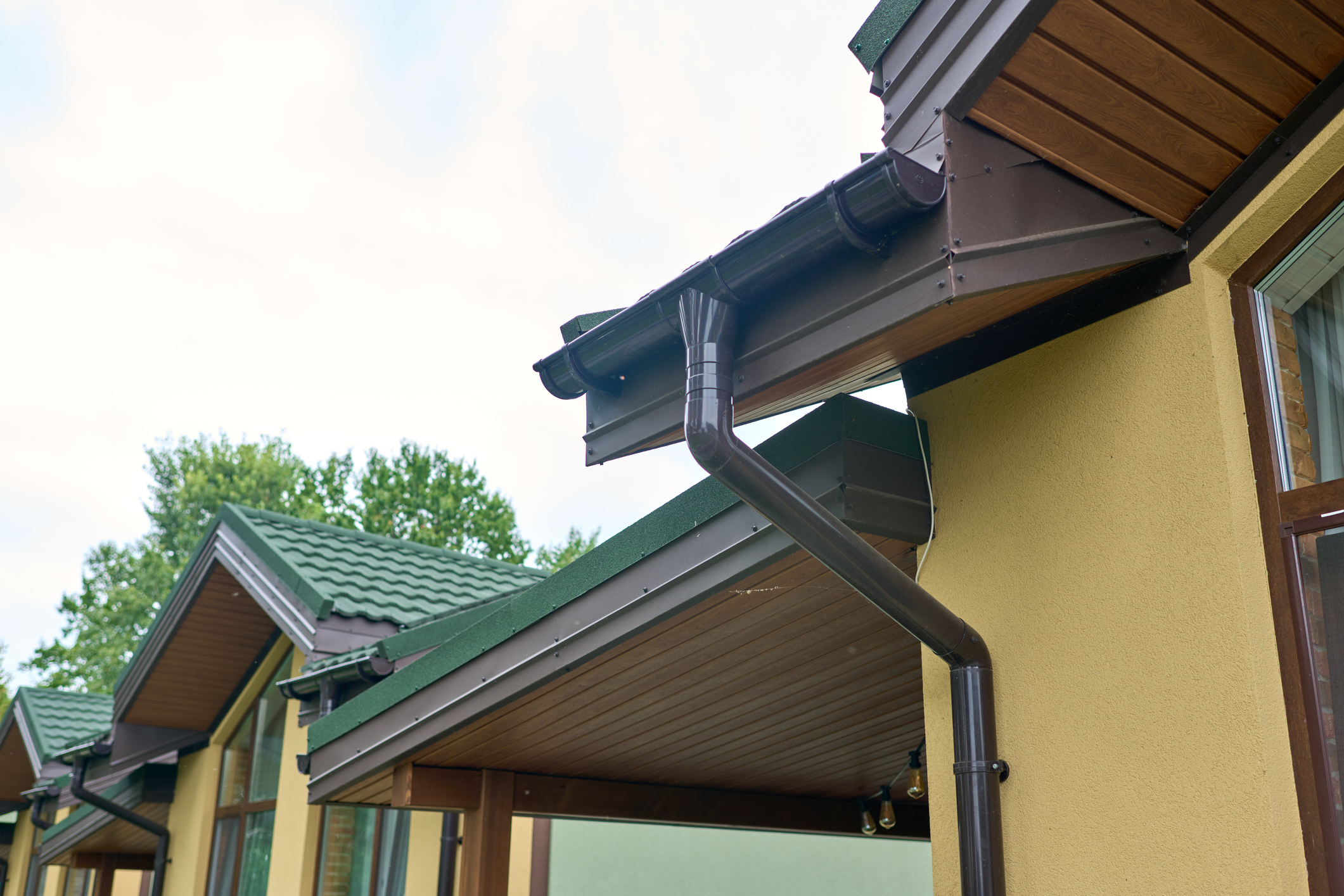
Unlike sectional gutters with multiple joints, seamless gutters are formed from a single continuous run of material cut to fit your roofline exactly. Fewer seams mean fewer places for leaks to develop over time, which is especially valuable on older McKeesport homes where repeated temperature changes have already stressed and separated older joint connections.
A new gutter system is only as good as the angle it is installed at. Your gutters need a consistent, calculated pitch toward each downspout so water flows freely instead of pooling and adding weight to the system. On homes with uneven fascia boards or older rooflines, getting that pitch right requires careful measurement rather than a one-size approach.
Where your downspouts terminate matters just as much as where they start. On sloped lots and properties near lower terrain, discharge points are positioned to move water away from your foundation, landscaping, and walkways so runoff does not collect near the base of your home during heavy rain or snowmelt.
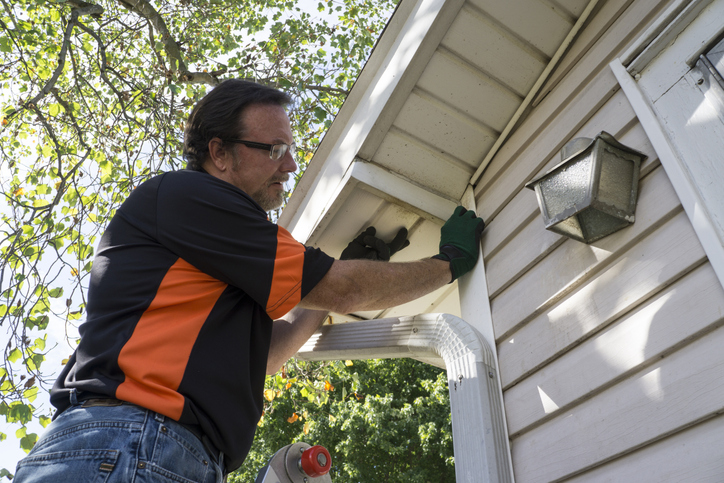
New gutters are only as secure as the boards they attach to. Before fastening your new system, any deteriorated or soft fascia boards are addressed so your gutters have a solid surface to hold against. Skipping this step is one of the main reasons new gutters on older homes begin to pull away within a few years.
McKeesport’s combination of steady rainfall, winter snow, and repeated temperature changes puts older gutter systems through a lot year after year. For homes on sloped lots or with aging fascia board and outdated drainage layouts, that pressure builds up quietly until overflow, leaks, or foundation runoff make it impossible to ignore. Replacing your gutters before the next wet stretch protects your home’s exterior, keeps water moving away from your foundation, and saves you from more expensive repairs that come with letting a failing system go too long.
If your gutters are pulling away, leaking at the seams, or simply not draining the way they should, McClellands Contracting and Roofing, LLC is ready to help. Reach out to get a complete look at your current system and an honest recommendation on what your home actually needs.
Got questions about your roof? We’ve got answers. From maintenance tips to insurance claims and repair timelines, our FAQ section covers the most common concerns homeowners have. Get informed and make confident decisions about protecting your home.
Many homes in this area were built with narrower roof edges and lower-profile overhangs that may not pair well with wider modern gutter profiles. A 5-inch K-style gutter works for most residential rooflines, but homes with steeper pitches or larger roof surfaces often shed water faster than a standard size can handle, making a 6-inch system a better fit. Getting the size right during replacement prevents overflow from coming back even after the old gutters are gone.
Yes, and it comes up more than most homeowners expect. Properties on sloped terrain with heavy tree coverage face two separate drainage problems: water volume during heavy rain and debris accumulation that blocks downspouts right when flow is highest. If your lot sits at a lower elevation or collects runoff from neighboring ground, your downspout count and discharge placement become more important parts of the replacement plan than they would be on a flat, open lot.
Fascia boards that have been softened by years of moisture contact will not hold fasteners reliably, which means new gutters can begin pulling away from the roofline within a season or two regardless of installation quality. On older homes that have had the same gutters for decades, the fascia boards behind them have often been holding trapped moisture the entire time without any visible sign from the ground. Replacing gutters without checking the fascia boards first is one of the most common reasons homeowners end up with the same pulling and sagging problems they thought they were leaving behind.


 Residential
 Commercial
 Interior
 Exteriors
 Service Areas
 Contact Us