


Residential Roof Inspection in White Hall, WV
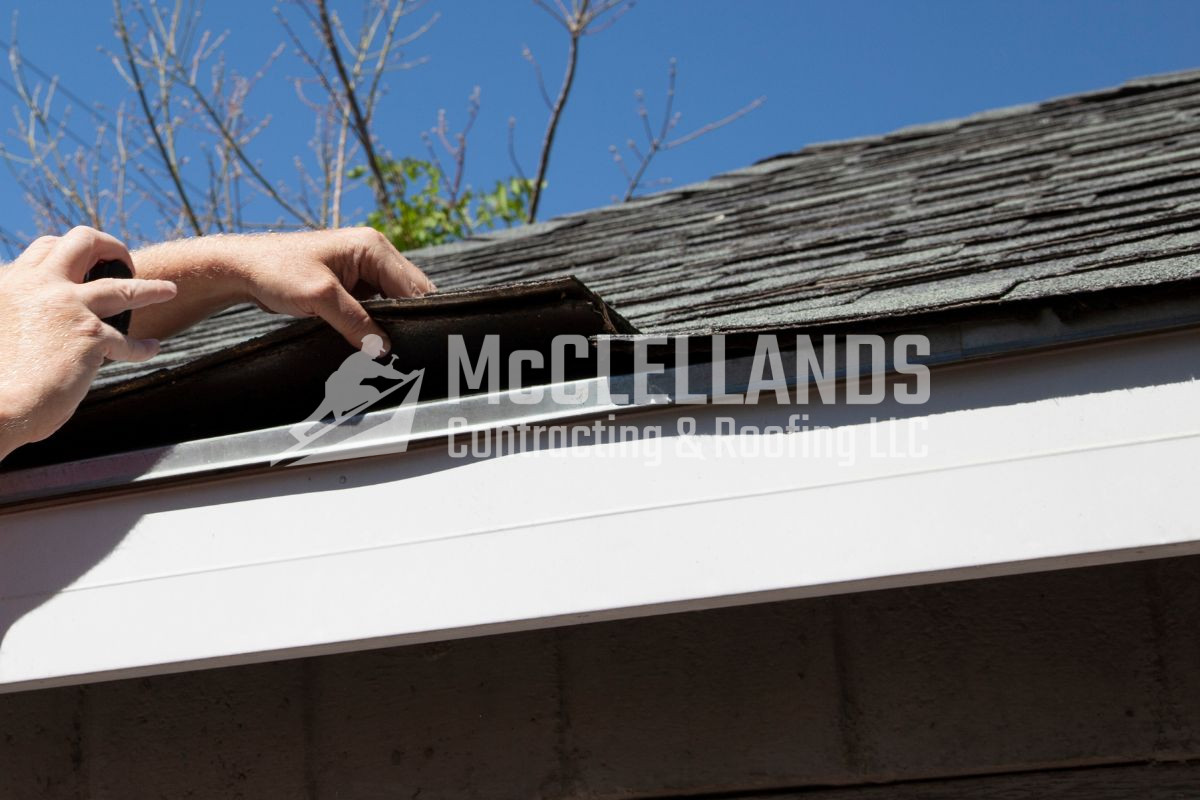
White Hall sits in a part of West Virginia where the weather puts roofs through a real workout. Summers push temperatures well into the 90s, and winters can drop below 20 degrees Fahrenheit. That kind of back-and-forth causes roofing materials to expand and contract season after season, which leads to cracked shingles, stressed flashing, and gaps that let water in. Layer in the heavy rain, mountain snow, and high winds that roll through the region, and the wear adds up faster than most homeowners expect. When a roof problem goes unnoticed, what starts as a small issue can quietly grow into something that affects your attic, insulation, or the structure of your home.
That is exactly why a professional residential roof inspection matters so much in this area. A thorough inspection looks at everything your roof faces, from UV damage on shingles to the condition of flashing around your chimney and skylights, to whether your gutters and downspouts can handle the runoff from a heavy storm. The enclosed valleys throughout Appalachia also trap moisture in ways that accelerate wear on underlayment and create conditions for mold and ice dams to form at the roof edges.
McClellands Contracting and Roofing, LLC understands these local conditions well and brings that knowledge to every inspection, helping White Hall homeowners catch problems early and protect their investment in their property before repairs become expensive.
How a Roof Inspection Works in White Hall, WV
A roof inspection helps identify visible wear and potential trouble spots without putting unnecessary risk on the homeowner or inspector. McClellands Contracting and Roofing, LLC uses a practical inspection process to establish what condition the roof is in and what should happen next.
- Step 1: Scheduling and Access Planning
We arrange an inspection time that works for you and confirm access to the exterior of the home and, when available, the attic. There is no special roof preparation required before we arrive. - Step 2: Roof Surface and Ventilation Assessment
We examine shingles, flashing, valleys, gutters, downspouts, chimney mortar, and skylight seals from safe viewing positions. When roof pitch or conditions make closer access unsafe, binoculars can provide a detailed view without unnecessary exposure to hazards. We also evaluate ridge, soffit, and attic ventilation for signs of inadequate airflow or moisture buildup. - Step 3: Condition Documentation
We record visible wear, areas of concern, and conditions that may warrant monitoring over time. This creates a useful reference point for comparing the roof’s condition during future inspections. - Step 4: Findings Review and Recommendations
We explain the inspection results in straightforward terms and distinguish normal wear from issues that actually require attention. If the roof is performing well, we tell you that directly. When repairs are warranted, we explain what needs to be addressed and why. - Step 5: Recommended Follow-Up
If repairs are necessary, we explain what the work involves and what you can expect next. When no immediate work is needed, we identify conditions to monitor and suggest an appropriate timeframe for the next inspection based on the roof’s age and current condition.
Roof Inspection Frequency & Timing in White Hall, WV
How often your roof needs a professional inspection depends mostly on its age, and getting the timing right helps you stay ahead of problems before they grow. White Hall’s weather patterns make regular inspections especially worthwhile, and scheduling during late spring through early fall gives inspectors the best conditions to spot wear accurately and allows any follow-up repairs to cure properly.
| Roof Age | Recommended Frequency | Best Time to Schedule |
|---|---|---|
| Under 5 years old | Once per year | Late spring or early fall |
| 5 to 10 years old | Twice per year | Spring and fall |
| 10 years and older | Every quarter | Year-round, prioritize spring and fall |
| After any major storm | As needed | As soon as conditions are safe |
Older roofs common in West Virginia housing tend to show early aging signs that are easy to miss without a trained eye. A spring inspection lets you see what winter left behind, from ice dam damage at the roof edges to stressed flashing and cracked shingles. A fall inspection gives you a clear picture of where things stand before the cold and snow return. Sticking to a schedule based on your roof’s age is one of the most practical ways to protect your home and keep repair costs manageable over time.
Shingle Surface & UV Wear Review
White Hall summers push temperatures well into the 90s, and that sun exposure breaks down shingle surfaces over time, causing curling, cracking, and granule loss that weaken your roof’s ability to shed water. Your inspection includes a close look at shingle condition across the entire surface so early UV damage is caught before it opens the door to leaks.
Gap Seals at Chimneys & Skylights
Chimneys and skylights are among the most common spots where wind-driven rain and ice find their way inside a home. Your inspection covers the mortar, caulking, and flashing seals at every gap to confirm they are intact and holding up against the region’s heavy storms and temperature changes.
Gutter & Downspout Condition Check
When heavy rain or melting mountain snow hits fast, your gutters and downspouts have to move a large volume of water away from your home quickly. Your inspection includes checking that gutters are securely attached, free of debris buildup, and draining properly so water does not back up and work its way under your roofline.
Ice Dam Risk & Edge Condition Review
The trapped moisture and temperature swings common in Appalachian valleys create conditions where ice dams can form at roof edges and cause serious damage if left unaddressed. Your inspection includes a review of edge conditions and any signs that ice dam formation has already stressed the materials, so you know where your roof stands before the next winter arrives.
Schedule Your Residential Roof Inspection in White Hall, WV
White Hall’s mix of heavy precipitation, mountain snow, and wide temperature swings puts roofs under steady pressure year after year. Catching wear early keeps small problems from quietly growing into expensive repairs that affect your attic, your insulation, or the structure of your home. A routine inspection is one of the most practical things a homeowner can do to protect their property and keep costs manageable over the long run. Late spring through early fall tends to be the best window to schedule, when conditions allow for accurate inspection and any needed repairs can cure properly.
McClellands Contracting and Roofing, LLC is ready to take a complete look at your roof and give you a straight, honest report on what they find. If your roof is in good shape, you will know it. If something needs attention, you will understand exactly what and why. Reach out when you are ready to schedule, and let the team give your roof the inspection it deserves.
Frequently Asked Questions
Got questions about your roof? We’ve got answers. From maintenance tips to insurance claims and repair timelines, our FAQ section covers the most common concerns homeowners have. Get informed and make confident decisions about protecting your home.
Does attic ventilation actually get checked during a roof inspection, and why does it matter for homes in White Hall?
Yes, attic ventilation is a standard part of a complete roof inspection, and it matters more in this region than many homeowners realize. The enclosed valleys throughout Appalachia trap moisture against homes in ways that cause condensation to build up inside attic spaces, which leads to mold, rot, and conditions that contribute to ice dam formation at the roof edges. Your inspector will check that ridge, soffit, and attic vents are clear and working so airflow is balanced, and moisture has a way out.
Can a roof inspector spot problems without walking on the roof itself?
In many cases, yes. On steep or potentially hazardous pitches, inspectors work from ground level or the eaves using binoculars to get a clear view of shingle condition, flashing, valleys, and gap seals. This approach protects both the inspector and your roof from unnecessary foot traffic that can disturb granules or stress already-worn materials. The inspection method used is noted in your report so you have a full picture of how findings were observed.
What is the one time of year White Hall homeowners should never skip a roof inspection, even if their roof seems fine?
Spring is the most important window because it is the only time you can see exactly what winter left behind. Snow accumulation, ice dam pressure at the roof edges, and repeated temperature changes from winter into early spring all stress materials in ways that are not always visible until conditions warm up. A spring inspection gives you an accurate read on flashing, shingle condition, and drainage before summer storms arrive and turn any hidden damage into an active problem.
