


Residential Roof Inspection in Clarksburg, WV
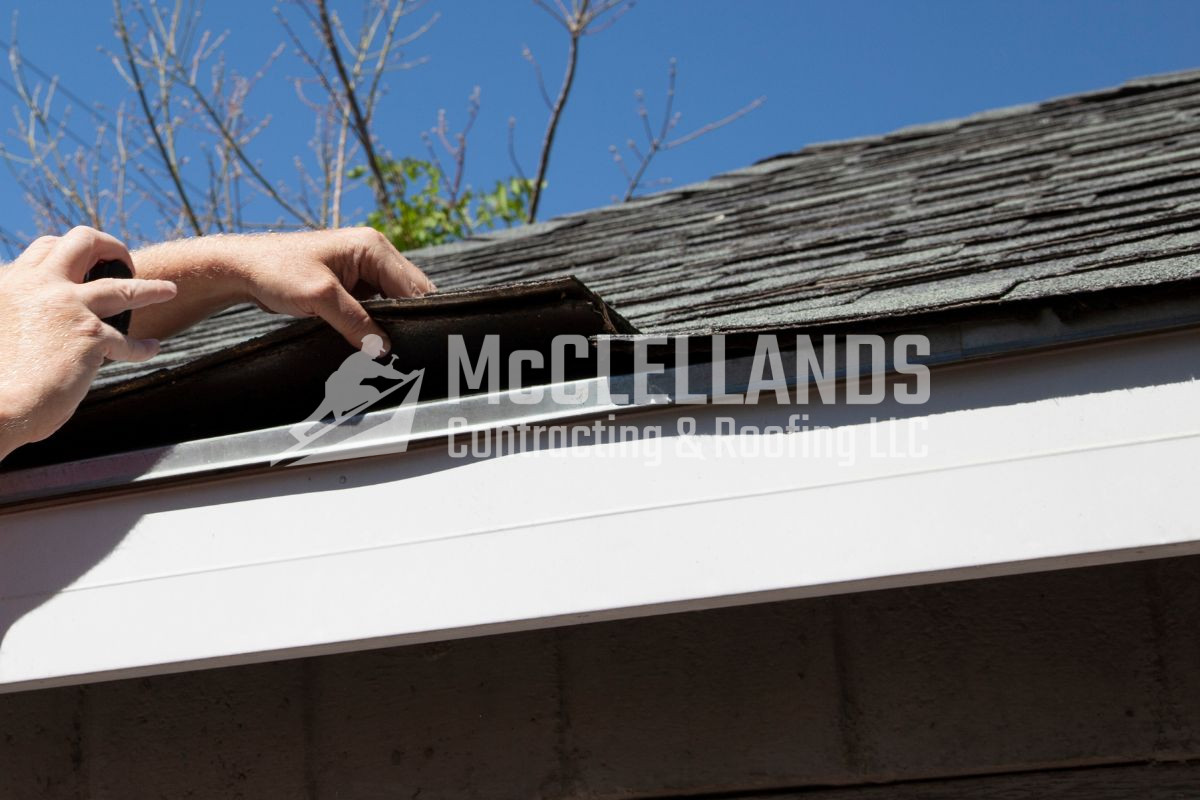
Clarksburg gets a lot thrown at its roofs throughout the year. Between heavy spring storms, winter snow and ice, and wide temperature swings that push materials to expand and contract repeatedly, even a well-built roof takes a beating over time. Appalachian windstorms roll through the area with enough force to lift shingles and stress flashing, and the high humidity in the surrounding valleys creates ideal conditions for mold and rot to quietly take hold in your attic. When those issues go unnoticed, what starts as minor wear can turn into water stains on your ceiling, damaged roof decking, or a roof that costs well over $10,000 to replace.
That is exactly why regular residential roof inspections matter so much for homeowners in this area. A trained eye catches things that are easy to miss from the ground, such as granule buildup in your gutters, rusty fasteners in the attic that signal past moisture problems, early shingle curling, or flashing that has started to pull away. McClellands Contracting and Roofing, LLC knows this market and understands the specific ways that Clarksburg’s weather patterns wear on residential roofs year after year.
Getting your roof inspected on a regular schedule is one of the most straightforward ways to protect your home and your investment in your property. Spring inspections catch what winter left behind, fall inspections get your roof ready for what is coming, and a quick inspection after a major storm can reveal damage that is not always visible until it becomes a serious problem inside your home.
How a Roof Inspection Works in Clarksburg, WV
A residential roof inspection gives you a clearer picture of how your roof is performing and whether any areas need attention. McClellands Contracting and Roofing, LLC takes a systematic approach so the findings are easy to understand and use.
- Step 1: Scheduling and Access Planning
We coordinate a convenient inspection time and gather basic information about your roof beforehand, including its approximate age, visible concerns, and any access limitations. This helps us arrive prepared and focus the inspection on the areas that matter most. - Step 2: Roof and Attic Condition Assessment
We examine the shingles, flashing, gutters, roof edges, chimneys, vents, and other roof gaps for signs of wear or damage. The attic is also checked for moisture evidence, rusty fasteners, and daylight entering through the roof decking. In Clarksburg, granules collecting in gutters can also provide useful information about shingle wear, so we pay attention to those areas during the inspection. - Step 3: Findings Documentation and Condition Record
Relevant findings are documented with notes and photographs, so you have a record of the roof’s current condition. We identify areas requiring attention as well as conditions worth monitoring over time, giving you useful information to reference during future inspections. - Step 4: Inspection Results and Recommendations
We review the findings with you in straightforward language and explain what each concern means for your roof. If everything is performing as it should, we tell you that directly. When repairs are necessary, we explain what needs attention, where the issue is located, and why the repair matters. - Step 5: Recommended Next Actions
At the end of the inspection, you receive a clear understanding of what should happen next, whether that means no immediate work, a minor repair, or additional evaluation of a specific concern. We can also discuss an appropriate timeframe for your next inspection based on the roof’s age and observed condition.
Warning Signs Found During Roof Inspections in Clarksburg, WV
Even roofs that look fine from the street can hide problems that get expensive fast. Clarksburg’s wet seasons, wide temperature changes, and Appalachian winds create conditions that wear on roofing materials in ways that are not always obvious until the damage is already spreading.
| Warning Sign | What It Indicates | Urgency Level |
|---|---|---|
| Granule buildup in gutters reaching 0.5 to 2 inches | Advanced shingle wear nearing the end of useful life | High: schedule inspection soon |
| Rusty nail heads visible in the attic | Past moisture or leak activity, even if currently dry | Moderate to high: needs tracing |
| Daylight visible through roof decking | Failure in the roof barrier requiring immediate attention | High: act quickly |
| Sagging or uneven roofline | Structural problems likely caused by long-term moisture exposure | High: professional inspection needed now |
| Moss or mildew patches on shingles | Trapped moisture from high humidity, possible shingle rot beneath | Moderate: monitor and inspect |
Some of these signs appear on the exterior, while others only show up inside your attic. That is why a complete inspection covers both areas. Catching any of these early can protect your home from water damage and help you avoid replacement costs that can climb well past $10,000. Clarksburg’s older housing and mix of aging roofs make spotting these warning signs early especially worthwhile.
Flashing and Roof Gap Inspection
Every chimney, vent, and skylight on your home creates a potential entry point for water if the flashing around it fails. We check each gap closely for spaces, lifting, and separation, because flashing failures are one of the most common sources of leaks on Clarksburg roofs, especially after windstorms and repeated temperature changes.
Roofline and Structural Plane Review
We look at the overall shape and evenness of your roofline from multiple angles to spot dips, bowing, or sections that have shifted over time. These visual cues can point to roof decking or framing problems that go deeper than the surface and need attention before they get worse.
Gutter and Drainage System Check
Gutters that are pulling away, clogged, or improperly pitched can trap water against your roof’s edge and set the stage for ice dams during Clarksburg winters. We inspect your drainage system to confirm water is moving away from your home the way it should, keeping your roofline and fascia board protected through every season.
Pest and Bird Barrier Condition
Gaps in bird and pest barriers along the eaves and roof edges are easy to overlook but can allow animals and insects to get into your roof and attic. We check these barriers as part of the inspection, particularly on older Clarksburg homes where dense tree cover and vegetation increase the likelihood of entry.

Schedule a Roof Inspection in Clarksburg, WV
Clarksburg’s wet seasons, shifting temperatures, and wind exposure do not let up, and neither does the wear they put on your roof year after year. Staying on top of regular inspections is one of the most practical ways to protect your home, keep small issues from growing into expensive repairs, and maintain the value of your property over time. If your roof is approaching or past the 10 to 15 year mark, the case for scheduling one sooner rather than later is even stronger.
McClellands Contracting and Roofing, LLC is here to give you a clear, honest picture of where your roof stands. Whether you are due for your annual inspection, preparing for a seasonal change, or simply want to know what condition your roof is in, we are ready to help. Reach out whenever you are ready, and we will take it from there.
Frequently Asked Questions
Got questions about your roof? We’ve got answers. From maintenance tips to insurance claims and repair timelines, our FAQ section covers the most common concerns homeowners have. Get informed and make confident decisions about protecting your home.
Does my roof need to be inspected after an earthquake, even if I do not see any visible damage?
Yes, and this is something many Clarksburg homeowners do not think to act on. West Virginia sits in a seismically active region, and even a minor tremor can shift flashing, loosen fasteners, and create small separations in the roof that are not visible from the ground. A post-earthquake inspection is the only reliable way to confirm your roof is still properly sealed and structurally sound.
What does granule buildup in my gutters actually tell an inspector about my shingles?
Granules are the protective outer layer of asphalt shingles, and once they start shedding in large amounts, the shingles underneath lose their ability to shed water and resist UV exposure. When an inspector finds buildup in the 0.5 to 2 inch range inside your gutters, that is a reliable signal that your shingles are past the point of minor repair and heading toward full replacement. Catching this early gives you time to plan rather than react to a sudden failure.
Can an inspector tell if my roof had a past leak even if everything looks dry right now?
Yes, and the attic is usually where that story gets told. Rusty nail heads protruding through the roof decking are a key indicator that moisture reached that area at some point, even if the leak has since stopped or dried up. Inspectors use those rust patterns, along with any staining on the roof decking or insulation, to trace where water traveled and whether the underlying issue has actually been resolved or is simply dormant.
