


Residential Roof Inspection in Bridgeport, WV
Bridgeport gets hit with around 40 inches of rain each year, summer temperatures that climb into the 90s, and winter lows that can drop below 20 degrees Fahrenheit. That combination puts a lot of stress on your roof year after year. When temperatures change sharply between seasons, sealants crack, flashing pulls away from chimneys and vents, and shingles start to break down faster than most homeowners realize. Add in thunderstorms with wind gusts over 40 mph and downpours that can dump more than an inch of rain in a single hour, and it becomes clear why roof problems in this area tend to develop quickly and quietly before showing up as water spots on your ceiling.
That is exactly why a professional residential roof inspection matters so much for homeowners here. Catching a small problem early, like a cracked sealant joint around a vent or granule loss on aging shingles, keeps a manageable repair from growing into something far more expensive. McClellands Contracting and Roofing, LLC works with Bridgeport homeowners to spot those issues before they become bigger problems, giving you a clear picture of where your roof stands and what, if anything, needs attention.
How a Roof Inspection Works in Bridgeport, WV
A residential roof inspection gives you a clearer picture of your roof’s condition without requiring you to prepare the property beforehand. McClellands Contracting and Roofing, LLC approaches each inspection systematically, from arranging access through explaining what the findings mean.
- Step 1: Arrange the Inspection and Access
We start by finding a time that fits your schedule and confirming which areas of the property need to be accessible. There is no special preparation required on your end. A brief conversation beforehand lets us identify any concerns you have already noticed and arrive ready to inspect the property. - Step 2: Examine Accessible Roof Areas
The inspection covers observable portions of the roof from ground level and, where appropriate, at the eaves. We examine shingles, chimney and vent flashing, gutters, drainage components, and branches extending within 6 feet of the roof edge. Using these observation points allows us to assess visible conditions while maintaining safe access. - Step 3: Record Roof Conditions
Findings are recorded along with the roofing material and the method used to observe each area. Photographs and written notes provide a reference for the roof’s condition at the time of inspection and can be useful when documentation is needed for warranty or insurance matters. - Step 4: Explain the Condition and Recommendations
The findings are reviewed with you in straightforward language, including any areas that deserve attention and those that do not. If the roof is performing properly and no work is warranted, we tell you that directly. Recommendations are based on conditions actually observed during the inspection. - Step 5: Determine What Happens Next
The final discussion focuses on what makes sense from here. Depending on the findings, that could mean arranging a repair, planning another inspection later, or simply monitoring a specific area. You leave with a clear understanding of your roof’s current condition and the appropriate next step.
Roof Inspection Frequency for Bridgeport, WV Homes
How often your roof should be inspected depends on its age and what it has been through. Bridgeport’s weather patterns put roofs through a lot each year, and keeping up with inspections on the right schedule is one of the best ways to protect your home before small issues turn expensive.
| Roof Age | Recommended Frequency | Key Reason |
|---|---|---|
| Under 5 years | Once a year | Confirm proper installation and catch early material issues |
| 5 to 10 years | Twice per year | Spring and fall checks account for winter damage and storm wear |
| 10+ years | Every season or after major storms | Older materials are more vulnerable to sealant cracks, rust, and granule loss |
Timing matters too. Spring inspections catch damage left behind by winter temperature changes, while fall inspections prepare your roof before colder weather sets in. After any bad storm, a ground-level inspection using binoculars followed by a quick check of your attic ceiling for water spots can help you catch problems fast. If anything looks off, scheduling a complete professional inspection right away is the right call rather than waiting for your next routine check.
Flashing & Sealant Condition Review
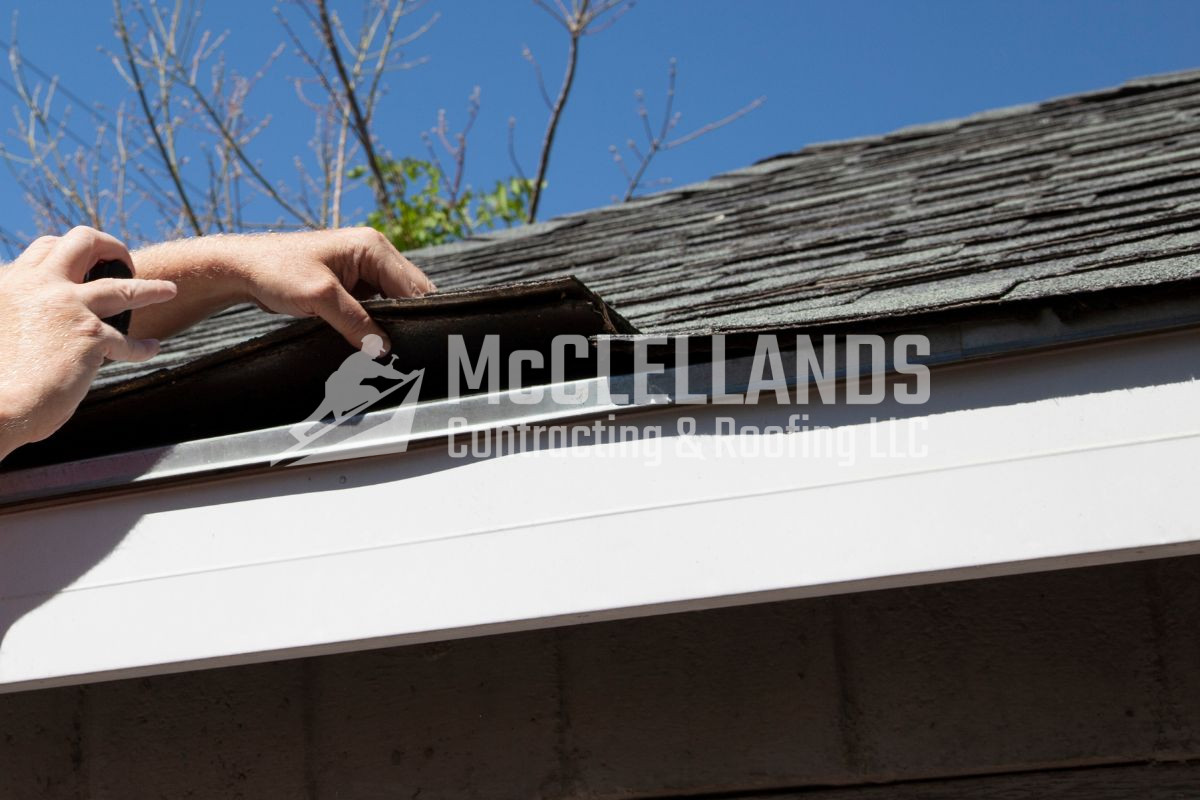
Flashing around chimneys, vents, and skylights is one of the first places water finds a way in, especially as sealants crack under Bridgeport’s sharp seasonal temperature changes. We look closely at these areas for rust, separation, and failed caulking that might not be obvious from the ground but can lead to hidden attic water damage over time.
Granule Loss & Shingle Surface Check
Your gutters tell part of the story here. Granule buildup in downspouts and along gutter channels is a reliable sign that shingles are breaking down faster than expected, which shortens the life of your roof. Catching this early gives you options before the underlying material becomes exposed and vulnerable.
Attic & Drainage System Review
A roof inspection is not just about what is visible on the outside. Signs of water entry, poor ventilation, or blocked drainage often show up inside the attic as staining, mold, or soft roof decking, and identifying these issues ties directly back to what is happening on the surface of the roof above. Proper drainage keeps water moving away from your home instead of pooling and working its way in.
Tree & Debris Hazard Flagging
Overhanging branches within 6 feet of your roof edge are flagged as part of every inspection because physical contact and debris accumulation wear down shingles faster, especially with around 40 inches of annual rainfall keeping moisture on the surface. Knowing where these hazards exist gives you a clear, actionable step to protect your roof between inspections.
Schedule Your Residential Roof Inspection in Bridgeport, WV
West Virginia winters and wet summers are hard on roofing materials, and that wear adds up quietly over time. A professional inspection gives you a clear, honest picture of where your roof stands before a small issue becomes an expensive repair. Whether your roof is fairly new or has been through a decade or more of Bridgeport weather, staying on a regular inspection schedule is one of the simplest ways to protect your home and maintain its value.
When you are ready to get a complete look at your roof, McClellands Contracting and Roofing, LLC is here to help. Reach out whenever works best for you, and we will get you scheduled.
Frequently Asked Questions
Got questions about your roof? We’ve got answers. From maintenance tips to insurance claims and repair timelines, our FAQ section covers the most common concerns homeowners have. Get informed and make confident decisions about protecting your home.
Why do roofs in Bridgeport seem to develop problems faster than roofs in drier parts of the country?
Bridgeport sits in a weather pattern that combines heavy annual rainfall, humid summers, and winter temperatures that regularly drop well below freezing. That back-and-forth between wet and cold is especially hard on sealants and flashing, which expand and contract with the temperature and eventually crack or pull away. Once those small openings form, moisture gets in and can cause damage inside the attic long before anything shows up on your ceiling.
Does an inspector actually need to walk on my roof to find real problems?
Not necessarily. West Virginia Home Inspection Standards of Practice allow inspectors to observe the roof from ground level and at the eaves, and a trained eye can spot buckling shingles, missing flashing, moss buildup, and granule loss without ever stepping onto the surface. Walking on a roof can actually cause damage to certain shingle types, and for older roofs especially, avoiding unnecessary foot traffic helps protect materials that are already under stress.
What should I do with the inspection report once I have it?
Keep it somewhere accessible because it serves as a dated record of your roof’s condition, which can be useful if a warranty question comes up or if you ever sell your home and a buyer asks about maintenance history. It also gives you a baseline so that the next inspection can directly compare what has changed. If the report flags specific areas to watch, noting those in a simple home file helps you stay ahead of any issues that might develop between inspections.
