


Residential Roof Inspection in Connellsville, PA
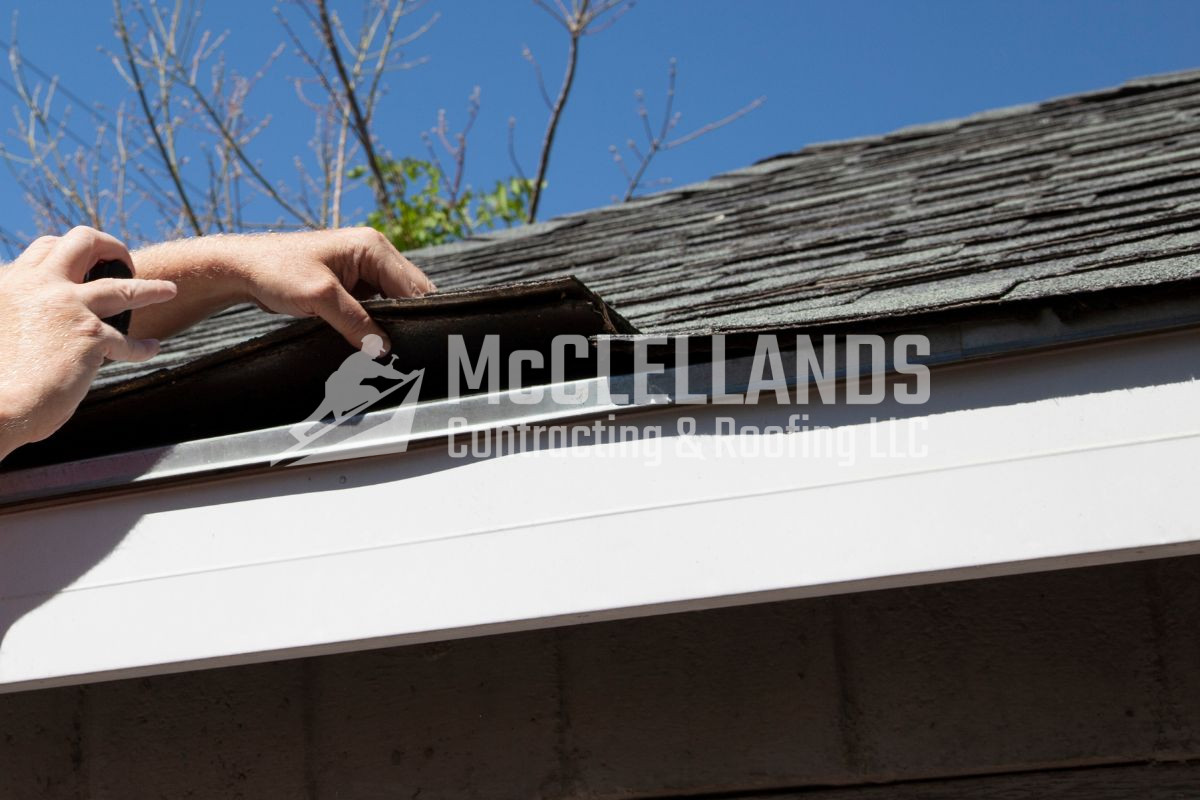
Western Pennsylvania’s mountain weather does not go easy on rooftops. In the Connellsville area, homeowners deal with heavy snowfall, rainfall that can top 50 inches in a year, and temperatures that swing from well above 90 degrees Fahrenheit in summer to well below 20 degrees in winter. That kind of range causes roofing materials to expand and contract repeatedly over time, and the stress adds up faster than most people expect. Add in high winds that can exceed 80 mph during storms, and you have conditions that can lift shingles, crack flashing, and leave your roof quietly taking on damage that is not obvious from the ground.
The problem is that most roof damage does not announce itself right away. A few missing granules, a small gap in the flashing, or a shingle that has started to curl may not look like much, but left alone through another hard winter, those small issues can turn into leaks, damaged roof decking, and repairs that cost far more than a simple inspection would have.
That is where McClellands Contracting and Roofing, LLC comes in. A professional residential roof inspection gives you a clear picture of exactly where your roof stands, what needs attention now, and what can wait. For homeowners in Connellsville, WV, that kind of information is not a luxury.
How Our Roof Inspection Works in Connellsville, PA
A residential roof inspection should give you a clear understanding of your roof’s current condition without making the process more complicated than it needs to be. McClellands Contracting and Roofing, LLC follows a systematic approach from the initial appointment through the final recommendations.
- Step 1: Appointment and Property Access
We coordinate a convenient inspection time and confirm access requirements before arriving. Any concerns you have already noticed are also discussed ahead of time so we can account for them during the inspection. - Step 2: Complete Exterior Roof Examination
We systematically inspect the surface of the roof, flashing, gaps, gutters, and drip edge. Shingles are checked for cracking, curling, granule loss, lifting, and missing sections, with particular attention given to valleys and areas surrounding chimneys and vents. - Step 3: Attic and Roof Deck Assessment
The attic is examined for moisture evidence, mold, and daylight entering through the roof decking. Light around properly vented ridge or eave areas can be normal, but openings through the roof decking itself can indicate a problem. We explain the difference so you understand what the findings mean. - Step 4: Findings Documentation and Review
We document relevant conditions with photographs and review the results with you in straightforward language. If the roof is performing well, we tell you that directly. When repairs are warranted, we explain what needs attention and why, without recommending unnecessary work. - Step 5: Recommended Next Actions
We finish by outlining what requires attention now, what should be monitored, and what options are available if repairs are needed. You leave with a clear understanding of your roof’s condition and what should happen next.
Roof Inspection Frequency and Timing in Connellsville, PA
Knowing how often to schedule a residential roof inspection is just as important as the inspection itself. In the mountainous region around Connellsville, the weather works hard on roofing materials year-round, and the right inspection schedule depends on your roof’s age and what it has been through recently.
| Roof Age or Situation | Recommended Frequency | Key Reason |
|---|---|---|
| Under 10 years old | Once a year | Early detection of installation issues or storm damage |
| 10 to 20 years old | Twice per year | Materials begin to show wear; granule loss increases |
| 20+ years old | Twice per year or more | Higher risk of curling, cracking, and shingle failure |
| After a bad storm | As soon as possible | Wind and hail damage is not always visible from the ground |
One thing homeowners often overlook is post-storm timing. If you notice dents on your gutters, window trim, or AC unit after a storm, those are reliable signs that your shingles may have taken hits too, even if nothing looks wrong from the street. A post-storm inspection should happen quickly because moisture that gets in after a storm is easier to catch early. Gutters are also worth watching between inspections; granule buildup that starts to pile up is a sign your shingles are wearing down faster than expected.
Shingle Wear and Granule Loss Review
We check your gutters and downspouts for granule buildup, which is one of the clearest signs that your shingles are losing their protective layer ahead of schedule. Catching this early tells you whether your roof is aging normally or heading toward failure faster than it should.
Flashing Condition at Gaps and Seams
Chimney bases, vent pipes, skylights, and roof valleys are where leaks almost always start, so we take a close look at every piece of flashing for rust, gaps, or lifting. Tight, sealed flashing is what keeps water out of your home when heavy rain hits, and even a small gap left unaddressed can cause serious damage over time.
Moisture Meter Reading of Roof Decking
We use a moisture meter to check the sheathing for water absorption that the eye alone cannot detect. Roof decking that has absorbed too much moisture becomes structurally compromised, and knowing its condition before problems become visible from inside your home can save you from a much larger repair bill.
Hail and Wind Impact Check Beyond the Shingles
We look at your gutters, gutter elbows, and metal trim for the round impact marks that hail leaves behind, since these surfaces often show damage before shingles do. If we find those signs, it tells us exactly where to focus on the surface of the roof and whether wind has shifted any fasteners or lifted shingle edges past the point of simple repair.
Schedule Your Residential Roof Inspection in Connellsville, PA
The mountain weather in this region puts real stress on roofing materials year after year, and that wear builds up quietly between seasons. A professional inspection gives you a clear, honest picture of where your roof stands before small issues become expensive repairs. Whether your roof is relatively new or has seen a decade or more of harsh winters, knowing its actual condition is one of the simplest ways to protect your home and avoid surprises down the road.
McClellands Contracting and Roofing, LLC is ready to help when you are. Reach out to schedule your inspection, and we will walk you through everything we find in plain, straightforward language. No pressure, no guesswork, just a clear look at your roof from people who know what to look for.
Frequently Asked Questions
Got questions about your roof? We’ve got answers. From maintenance tips to insurance claims and repair timelines, our FAQ section covers the most common concerns homeowners have. Get informed and make confident decisions about protecting your home.
Does moss or algae growth on my roof actually cause damage, or is it just an appearance issue?
In the humid, rainy conditions around Connellsville, moss and algae are more than a curb appeal problem. Moss holds moisture against your shingles, accelerating the breakdown of the material underneath and shortening the life of your roof. If it has taken hold across a large area, a professional inspection can tell you whether the shingles beneath are still sound or have already started to degrade.
My roof is only about 8 years old and looks fine from the ground. Do I really need a professional inspection?
Newer roofs can still develop problems that are not visible at street level, especially after the kind of storms common to the region. Wind can shift fasteners and lift shingle edges without leaving obvious signs, and small flashing gaps near chimneys or vents can let water into your roof decking long before you see a stain on the ceiling. Catching those issues at 8 years old is far less expensive than discovering them at 12.
What should I check in my attic between professional inspections to know if something is wrong with my roof?
The most telling signs are daylight coming through the actual sheathing boards, dark staining or mold on the wood, and any soft or spongy spots you can feel on the roof deck’s surface. Light around ridge vents and eaves is normal, but light through the roof decking itself means you have a real structural concern that needs attention quickly. If you spot any of those signs between inspections, do not wait for your next scheduled visit.
