Western PA's #1 For Roofing & Interiors
Western PA's #1 For Roofing & Interiors
Western PA's #1 For Roofing & Interiors

West Virginia’s weather puts roofs through a real workout. Warm, humid summers give way to cold winters with heavy snow, and the repeated temperature swings between seasons cause roofing materials to expand and contract in ways that wear them down faster than most homeowners expect. Add in steady rainfall spread across the year, and you have conditions that expose every weakness in an aging or poorly installed roof. When those weaknesses show up as leaks, damaged ceilings, or rotting roof decking, repairs tend to get expensive quickly.
Metal roofing is one of the most practical answers to those conditions. A quality metal roofing system sheds rain and snow efficiently, holds up against wind-driven storms, and handles seasonal temperature changes without breaking down the way asphalt shingles often do over time. Homeowners who want to stop replacing their roof every decade or so find that metal is worth the investment. McClellands Contracting and Roofing, LLC works with homeowners in this area who want a roof that performs through every season without constant maintenance or repeat repair calls.
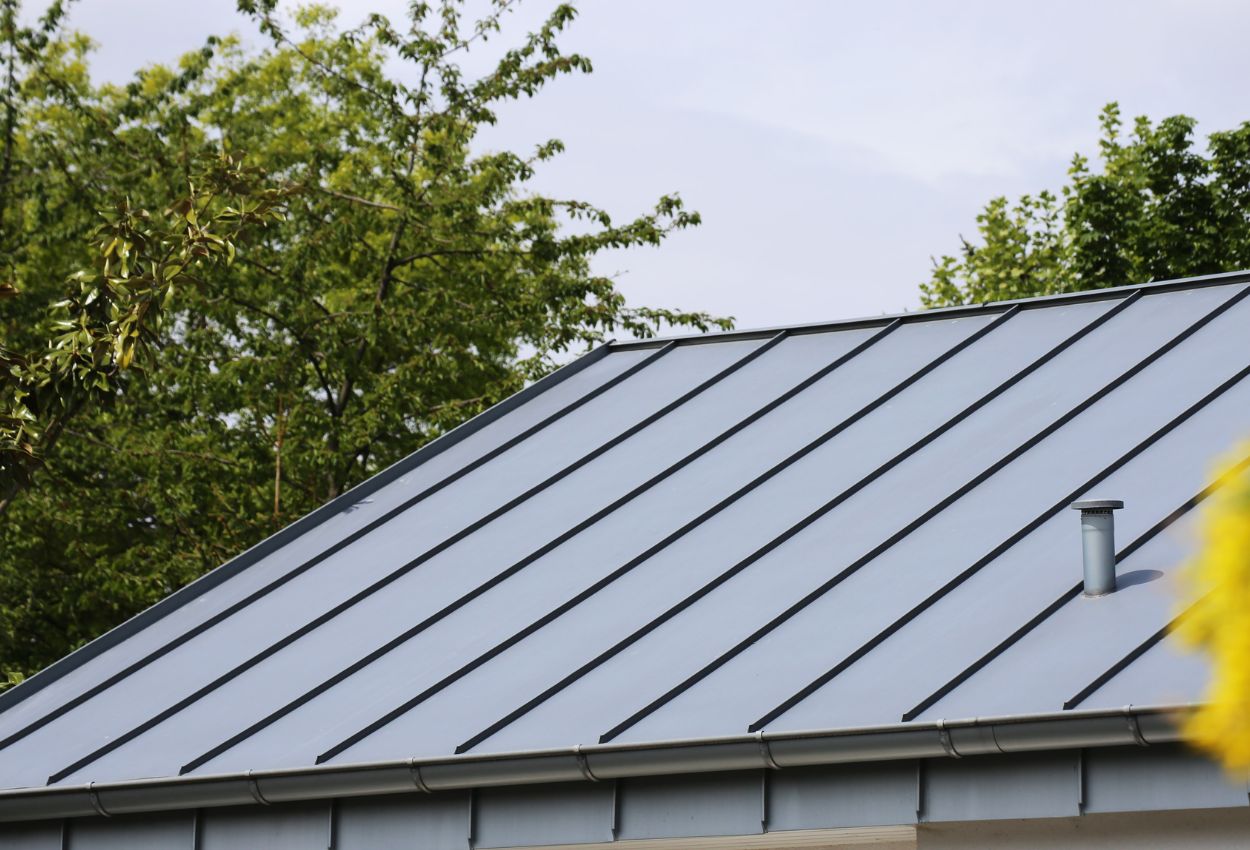
Standing seam systems, in particular, are well-suited to the mixed-season weather here. The concealed fastener design reduces the points where water can work its way in, and the panels are built to move with temperature changes rather than crack or lift under stress. For homes in this region, that kind of durability is not a luxury, it is what keeps a roof doing its job for decades.
Choosing a metal roof is a major investment, and having a clear understanding of each stage helps make the process more predictable from start to finish.
Not every home is the same, and the details of your specific roof shape, pitch, and gaps have a real effect on what goes into a metal roof installation. Understanding the key pricing factors helps you make sense of your quote and set realistic expectations before work begins.
Labor makes up a large share of any metal roof project, which is why roof complexity matters so much. A simple roofline with clean slopes takes less time and fewer flashing details than a roof with multiple valleys, chimneys, or skylights. Each gap requires careful flashing work to hold up against West Virginia’s rain, heavy snow, and seasonal temperature changes, so more gaps mean more precise work and more time on the job.
| Pricing Factor | Why It Matters | Local Consideration |
|---|---|---|
| Roof shape and complexity | More cuts and angles increase labor time | Cut-up rooflines require more flashing details |
| Number of gaps | Each chimney or vent needs properly sealed flashing | Valleys and chimneys are common failure points in wet climates |
| Pitch and steepness | Steeper roofs require additional safety setup and a slower work pace | Steep slopes are common in residential Appalachian homes |
| Tear-off requirement | Removing existing roofing adds labor and disposal costs | Old materials must be cleared before the roof decking can be properly inspected |
Knowing these factors upfront helps you understand why two homes of similar size can carry very different project scales. Your quote from McClellands Contracting and Roofing reflects the actual conditions of your roof, not a one-size-fits-all number.
The right underlayment beneath your metal panels is one of the most important details in an installation that lasts. In a climate with consistent rainfall and winter snow, proper moisture protection under the panels keeps water from reaching your roof decking, even if condensation or wind-driven rain finds a way past the surface.
Metal roofing is not one-size-fits-all, and you have real choices in panel profile and finish that affect both performance and appearance. Reflective finishes, for example, can reduce heat absorption during warm West Virginia summers, which is a practical benefit beyond just curb appeal.
Metal panels expand and contract with temperature changes across seasons, and the fastening system used during installation has to account for that movement. Using the right fastener type and spacing for your specific panel profile keeps panels seated correctly over time and reduces the risk of loosening or lifting as temperatures shift year to year.
Quality metal roofing systems are commonly associated with 40 to 70 years of service life, which changes the way you think about the investment. For homeowners tired of replacing asphalt shingles every decade or managing repeat repair calls, a properly installed metal roof is a straightforward way to reduce that cycle for good.
Homes in the Connellsville area deal with a real range of seasonal conditions, from humid summers to snowy winters, and a properly installed metal roof is built to handle all of it without asking much from you in return. Choosing metal means fewer repair calls over the years, better protection against the kind of weather this region sees regularly, and a roof that holds its value instead of deteriorating every few years. For homeowners who are tired of putting money into a roof that never quite keeps up, this is a practical step forward.
McClellands Contracting and Roofing, LLC is ready to take a look at your home and talk through what a metal roof installation would involve for your specific situation. No pressure, just a straight conversation about what makes sense for your property. Reach out when you are ready, and we will take it from there.
Got questions about your roof? We’ve got answers. From maintenance tips to insurance claims and repair timelines, our FAQ section covers the most common concerns homeowners have. Get informed and make confident decisions about protecting your home.
This is one of the most common concerns homeowners bring up, and the honest answer is that a properly installed metal roof with solid roof decking and underlayment underneath is not noticeably louder than an asphalt shingle roof. The noise reputation mostly comes from exposed metal on pole barns or outbuildings with no insulation or roof decking beneath the panels. On a residential installation with proper layering, rain and hail sound is well absorbed before it reaches your living space.
Metal roofing requires tighter flashing tolerances than asphalt shingles because the panels themselves move with temperature changes across seasons, and flashing at chimneys, valleys, and gaps has to flex with that movement without opening gaps. A simple roofline with minimal gaps gives crews more control over those details, while a complex roofline with multiple breaks and angles creates more points where flashing has to be fitted carefully. In a climate with steady precipitation year-round, those details are where long-term performance is either earned or lost.
In many cases, a metal roof can go over existing shingles without a full tear-off, which reduces labor and disposal costs up front. The concern in a region with consistent moisture and seasonal snow is what is already happening beneath your current roofing surface. If there is any soft roof decking, trapped moisture, or early rot that gets sealed under a new metal roof, it will continue to deteriorate out of sight, which turns a straightforward installation into a more serious repair later. Getting a proper inspection of your roof deck’s condition before deciding on tear-off or overlay is the step that protects that decision long-term.


 Residential
 Commercial
 Interior
 Exteriors
 Service Areas
 Contact Us