

 Residential
 Commercial
 Interior
 Exteriors
 Service Areas
 Contact Us
Winter Maintenance Tips for Wood Shake Roofs: Essential Care Guide
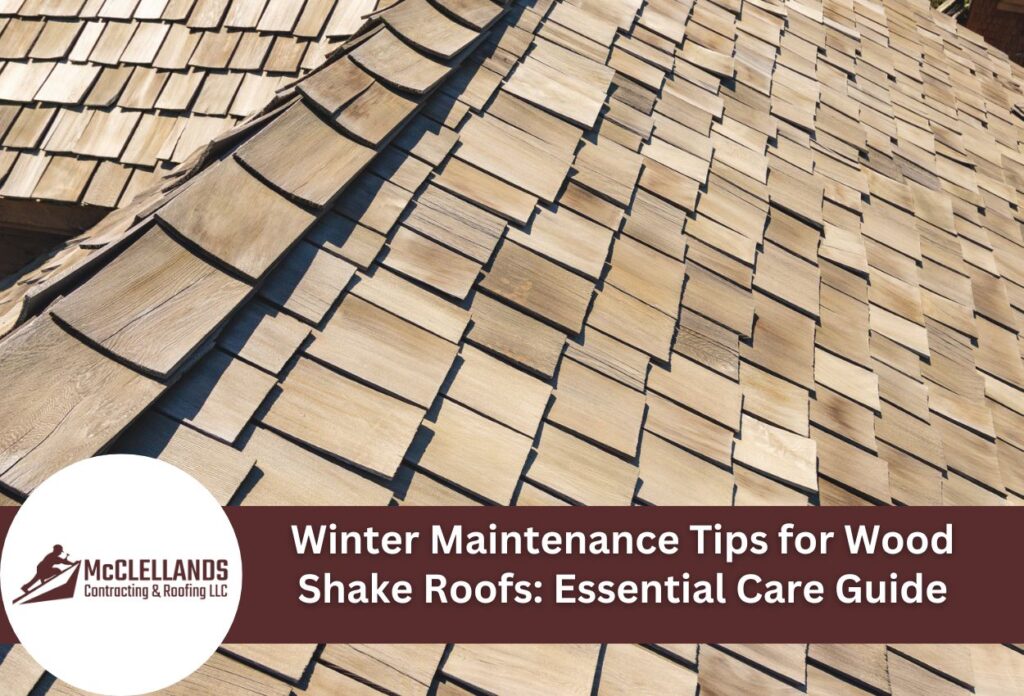
Wood shake roofs face numerous challenges during the winter months that can lead to serious damage. Cold temperatures, snow accumulation, and ice formation create conditions that test the durability of natural wood materials in ways other roofing systems don’t experience.
Winter maintenance tips for wood shake roofs are critical when temperatures drop and precipitation increases. Preparing your roof for winter requires understanding how moisture interacts with wood fibers during freeze-thaw cycles. When water penetrates wood shakes and freezes, it expands and can cause splitting, cracking, and premature deterioration.
Additionally, heavy snow creates insulation that traps moisture against the wood surface, while ice dams form when melting snow refreezes at the roof edges. These conditions accelerate wood decay and compromise the roof’s structural integrity.
Wood shake roofs, which are generally made of cedar, need proactive measures rather than reactive repairs. Preventing damage starts with proper ventilation, adequate insulation, and regular inspections of vulnerable areas like valleys, eaves, and flashing.
Winterizing wood shake roofing systems protects homeowners from expensive spring repairs while extending the roof’s lifespan. Understanding these maintenance requirements helps preserve both the curb appeal and protection that make wood shake roofs a popular choice.
Pre-Winter Inspection and Cleaning Essentials
A thorough examination of wood shake roofs before winter weather arrives prevents minor issues from becoming bigger problems. Start by checking each piece for loose nails, cracks, or splitting that could allow moisture in during freeze-thaw cycles. Pay special attention to areas where shingles overlap, as gaps in these joints create entry points for water and ice.
Wood shake roof care in cold weather begins with removing accumulated debris from the roof surfaces and gutters. Leaves, twigs, and organic matter retain moisture against wood surfaces, creating ideal conditions for rot and mold growth. These materials also block drainage, leading to standing water that can freeze and cause ice damage on wood shingle roofs.
Another aspect of cedar shake roof winter preparation is moss removal. Moss holds moisture against wood fibers and creates uneven surfaces where snow and ice accumulate. Homeowners can use a soft brush to remove moss without damaging the wood grain or protective surface treatments.
Other prewinter maintenance includes clearing overhanging branches that could fall during winter storms, as tree limbs weighted with snow or ice pose significant risks to wood shake systems. Cleaning also involves checking roof valleys and drainage areas where debris commonly accumulates, ensuring these critical areas function properly and will continue protecting the home’s interior.
Ice Dam Prevention Strategies That Actually Work
Ice dams typically form along roof edges, valleys, and areas where warm air from inadequately insulated attics meets cold exterior surfaces. On wood shake roofs, these problem areas are particularly vulnerable because the natural wood material can absorb moisture from melting ice, leading to rot and structural damage. Identifying these high-risk zones before winter weather arrives allows homeowners to address ventilation issues and prevent expensive repairs.
Ventilation is the primary defense against ice dam formation by maintaining consistent roof temperatures. Ridge vents, soffit vents, and adequate air circulation prevent warm attic air from heating roof surfaces unevenly. When roof temperatures remain consistent, snow melts gradually rather than creating the freeze-thaw cycles that produce dangerous ice buildup along eaves and gutters.
Improving attic insulation also lowers the risk of ice dams by reducing heat transfer from living spaces to the roof deck. Adding insulation around electrical fixtures, plumbing penetrations, and other areas where air leaks commonly occur helps maintain stable temperatures. Simple solutions include sealing gaps with weatherstripping, installing baffles to maintain airflow paths, and ensuring insulation doesn’t block ventilation channels.
Air circulation improvements work alongside insulation upgrades to prevent ice damage on wood shake roofs. Installing additional soffit vents or upgrading existing ventilation systems creates the airflow needed for effective temperature control. These winterizing measures protect both the wood materials and the home’s interior from moisture damage.
How to Manage Snow on Wood Shake Roofing Systems
Snow accumulation poses specific risks to wood shake roofs and requires careful monitoring throughout the winter. Most residential wood shake systems can safely support 20 to 25 pounds of snow per square foot, but this capacity varies based on roof age, structural condition, and snow density.
Warning signs that indicate dangerous snow loads include sagging gutters, creaking sounds from the roof structure, doors or windows that stick unexpectedly, and visible roof deflection. These symptoms suggest the structure is experiencing stress that could lead to damage if not addressed promptly. Snow load considerations for wood roofs become even more critical when accumulation exceeds 2 feet of light snow or 1 foot of heavy, wet snow. Powdery snow weighs significantly less than wet snow, 5 to 7 pounds per square foot compared to 15 to 20 pounds per square foot.
Safe snow removal methods protect both the wood and the underlying structure from damage. Use plastic shovels or specialized roof rakes to remove snow from ground level, working from eaves toward the ridge. Never walk on snow-covered wood shake roofs, as the combination of slippery conditions and hidden damage makes this extremely dangerous.
Remove snow in thin layers rather than attempting to clear large sections at once. Focus on critical areas like overhangs, valleys, and areas around chimneys where snow tends to accumulate. However, if homeowners are unsure about the process, professional snow removal services can safely reduce loads without compromising the roof.
Tips for Protecting Wood Shakes from Freeze-Thaw Damage
Cedar and other wood materials are vulnerable during winter temperature fluctuations due to their porous cellular structure. Wood fibers naturally expand and contract as moisture content changes, but freeze-thaw cycles accelerate this process dramatically. When water freezes, it expands by approximately 9%, creating internal pressure that splits wood fibers and opens new pathways for moisture infiltration.
The cellular structure of wood makes it especially susceptible to moisture absorption compared to synthetic roofing materials. As temperatures swing above and below freezing, water trapped within wood pores repeatedly freezes and thaws, gradually weakening the structural integrity of individual shakes. This cyclical damage compounds over time, leading to premature splitting, cupping, and deterioration that compromise the roof.
Sealing wood shakes provides an essential barrier against moisture and subsequent damage. Effective sealing techniques focus on reducing water absorption while preserving the natural breathability that allows wood to release moisture vapor. Oil-based sealers penetrate deeper into wood fibers than surface coatings, preventing water infiltration without completely blocking vapor transmission. Semi-transparent stains combined with water repellent treatments offer protection while maintaining the natural appearance of the shakes.
Treatment timing is critical for preventing damage to wood shake roofs. Apply protective treatments during dry weather conditions when wood moisture content falls below 15%. This ensures the sealant seeps into and adheres completely to the wood. Regular treatment every few years maintains protective barriers against freeze-thaw damage while supporting comprehensive wood shake roof care.
Winter Maintenance for Gutter and Drainage Systems
Clogged gutters and downspouts create water backup that can cause severe damage to wood shake roofing systems during winter. When gutters fill with leaves, debris, or ice, water has nowhere to flow except back onto the roof surface or underneath shingles. This standing water is absorbed by the wood fibers and creates ideal conditions for rot, mold growth, and structural deterioration that can require extensive repairs.
Water backup issues become particularly problematic when temperatures fluctuate around freezing. Trapped water freezes and expands, creating ice dams that force melting snow and ice underneath wood shakes. This moisture infiltration then damages the roof deck, insulation, and interior components of the home. Preventing ice damage on wood shake roofs requires maintaining clear drainage pathways throughout winter weather conditions.
Regular gutter cleaning should occur at least twice during fall months, with additional maintenance as needed throughout winter. Remove all organic debris, check downspout connections, and ensure proper slope toward drainage outlets. Gutter guards can minimize debris accumulation while allowing water to flow smoothly. These measures support effective wood shake roof care in cold weather by preventing overflow conditions.
Proper drainage extends beyond gutters to include grading around the foundation and ensuring downspouts direct water at least 6 feet away from the structure. End-of-winter considerations for wood roofs include planning for increased water volume as accumulated snow melts. Wood shake roofing systems require functional drainage systems that handle both normal precipitation and seasonal snowmelt without creating backup conditions that threaten roof integrity.
When to Call Professional Roofers for Winter Roof Care
Recognizing the difference between routine winter maintenance tasks and situations requiring professional intervention protects both the property and personal safety. Emergency situations include visible sagging from excessive snow accumulation, active leaks during winter storms, ice dams causing interior water damage, and large sections of missing or damaged shakes following severe weather. These conditions need immediate professional attention to prevent further structural damage or safety hazards.
However, certain maintenance tasks can be safely handled by homeowners, including ground-level snow removal using roof rakes, clearing gutters and downspouts of debris, and basic visual inspections from ladders during suitable weather conditions. However, any work requiring walking on snow-covered or icy wood shake surfaces should be left to professionals with safety equipment and experience working on steep, slippery surfaces.
Selecting qualified contractors for cedar shake roof care requires verifying specific experience with wood roofing systems rather than general roofing knowledge. Wood shake roofing work needs an understanding of fastening techniques, moisture management, and matching existing materials for seamless integration. Additionally, ask for examples of recent wood shake projects and verify licensing, insurance coverage, and manufacturer certifications, when applicable.
Professional contractors understand snow load considerations for wood roofs and can safely assess structural conditions that homeowners cannot evaluate from ground level. They possess specialized equipment for preventing ice and snow damage and can perform emergency repairs during challenging winter conditions. When problems go beyond basic maintenance capabilities, professional expertise ensures durable repairs that maintain long-term roof performance.
Professional Winter Maintenance Services for Your Wood Shake Roof in Pittsburgh
As the cold weather approaches, it’s crucial to ensure your wood shake roof is prepared to face Pittsburgh’s harsh winter conditions. McClellands Contracting and Roofing, LLC specializes in winterizing wood shake roofing systems to prevent damage from snow, ice, and freeze-thaw cycles. Our team of experts can help protect your investment by providing comprehensive inspections, cleaning, and necessary repairs to maintain your roof’s integrity throughout the winter months.
Don’t wait for the snow to start falling before you think about the condition of your roof. Preventive maintenance is key to avoiding extensive repairs or replacements in the spring. Contact McClellands Contracting and Roofing, LLC today at (412) 353-5660 to schedule a pre-winter roof inspection and keep your home warm and secure, no matter what the winter brings.